


Members of girl group KATSEYE, from left, Yoonchae, Megan, Lara Raj, Manon, Sophia and Daniela. Captured from KATSEYE’s Instagram
KATSEYE, the HYBE-Geffen global girl group formed through the 2023 audition show project “The Debut: Dream Academy,” is facing renewed scrutiny after member Manon announced a temporary hiatus and comments attributed to a fellow member’s father fueled online backlash.
What began as a routine health-related pause has quickly evolved into a broader debate over whether K-pop’s tightly structured methodology can be seamlessly applied to multinational acts.
On Saturday, the group confirmed through an official statement shared via fan platform Weverse that Manon, 23, would “take a temporary hiatus from group activities to focus on her health and well-being,” adding that the remaining members would continue scheduled promotions while fully supporting her decision.
While such temporary pauses are common in the industry, the situation escalated in the following days when social media comments widely attributed to KATSEYE member Daniela’s father surfaced online.
In response to fan speculation about the lineup, the account posted, “THE SHOW MUST GO ON! With or without a member. KATSEYE IS BIGGER THAN ONE GIRL.”
Screenshots of the remark circulated rapidly across X (formerly Twitter) and other platforms before being deleted, sparking criticism from fans who interpreted the message as dismissive toward Manon’s absence. Additional replies allegedly stating that “five is fine too” further intensified debate within the fandom.
The controversy soon extended beyond the comments, with hashtags such as “#StandWithManon” and calls for a full six-member lineup trending in online fan spaces.
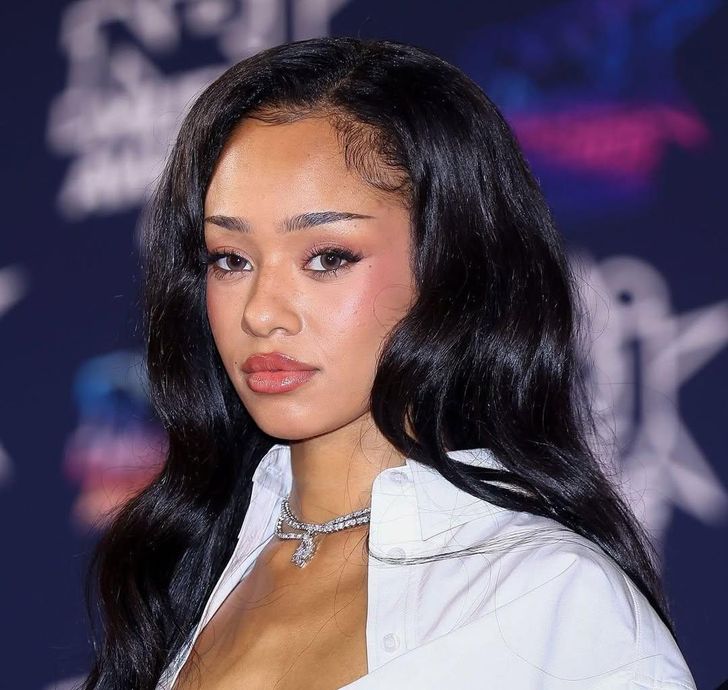
Manon of girl group KATSEYE / Captured from Manon’s Instagram
Double-edged sword
The discussion has also taken on a broader cultural dimension.
The debate further intensified after Manon drew attention for liking an Instagram post that referenced racism and label mistreatment faced by Black members in girl groups, a move that quickly circulated across fan communities.
While Manon did not publicly comment on the issue or link it to her hiatus, the Swiss-born singer of Ghanaian heritage drew strong support from fans who framed the hiatus within ongoing debates about diversity in pop music. Although neither HYBE Labels nor Geffen Records has addressed such claims, the narrative has shifted the controversy into a broader, unfamiliar cultural debate in the K-pop realm.
Industry observers say the episode underscores the challenges of exporting the K-pop system into a global environment.
“Despite comprising members of different backgrounds and being branded a ‘global group,’ KATSEYE was built under management structures similar to many Korean idols,” an insider at a midsized entertainment label said on condition of anonymity.
“Their branding strategies, synchronized performance onstage and reliance on fan platforms reflect that model.”
While supporters argue that such an approach has accelerated the group’s international rise, critics contend that the same framework can clash with expectations in Western pop culture, where artists’ individual voices often play a more prominent role.
In traditional K-pop systems, agencies typically maintain strict boundaries, often through “unwritten rules of the industry,” between artists’ private lives and official messaging. Global members, however, may come from cultural environments where private life, personal well-being are valued strongly, and family participation on social media is more common, complicating efforts to maintain a unified narrative.
The insider noted, “A sword always cuts both ways.”
“Now that the producing force behind the group benefited from both the strength of the K-pop training system and the diverse backgrounds of its members, issues tied to values outside of Korea, including personal work-life balance, family involvement and even broader racial issues are beginning to surface,” they said.
“The test now lies in whether the group’s management can wisely address these issues without deepening divisions and set an industry example.”
As major labels increasingly invest in multinational acts built on K-pop infrastructure, KATSEYE’s moment of turbulence offers an early stress test, one the industry will be watching closely.