
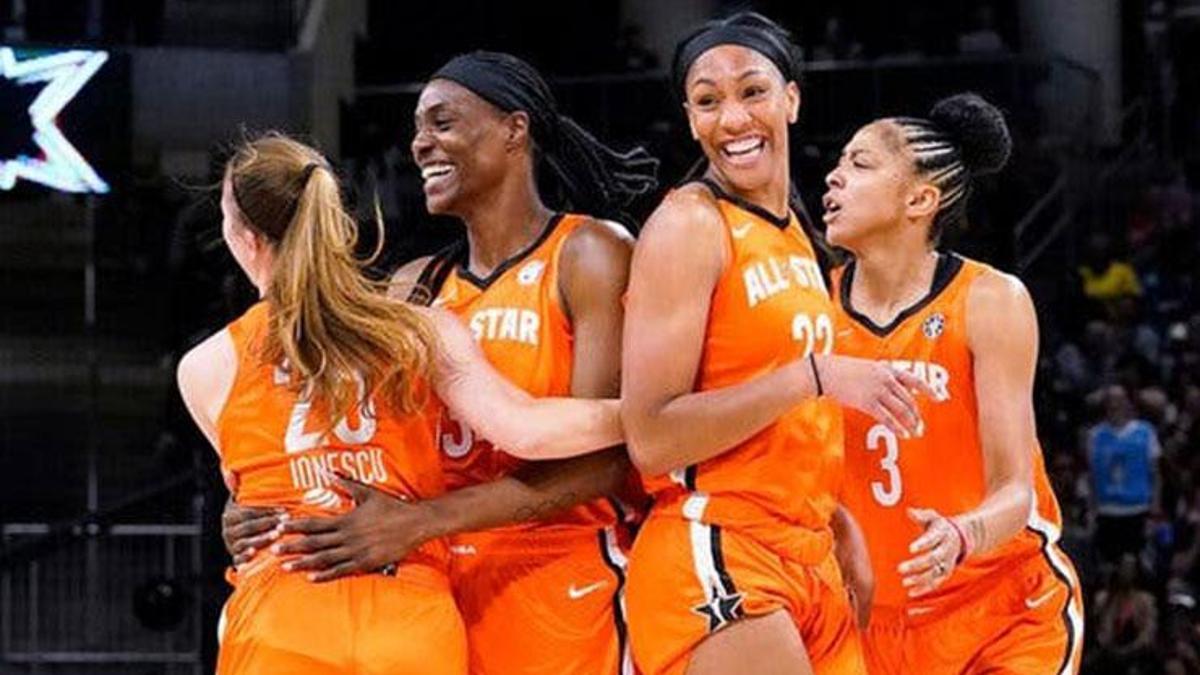
The WNBA has identified March 10 as a decisive deadline to ratify a new Collective Bargaining Agreement, aiming to prevent any potential labor disputes from overshadowing the 2026 season’s launch. Following a year of historic viewership spikes and a transformative media rights deal, the negotiations are centered on the players’ demands for an equitable revenue-sharing model, expanded rosters, and enhanced travel standards, including full-time charter flights. By setting this mid-March threshold, the league hopes to provide necessary financial and structural clarity to franchises before the free agency period and the draft, ensuring that the current momentum of the sport remains unhindered by administrative uncertainty.
Revenue Sharing and the New Media Frontier
At the heart of the CBA negotiations is the league’s massive new media rights package, which has significantly increased the WNBA’s valuation. The WNBPA is advocating for a modernized revenue-sharing model that reflects the current market reality, arguing that the players’ on-court product is the primary driver of this financial windfall. The union is pushing for “player-centric” economics that would see salaries rise in tandem with the league’s growing sponsorship and broadcasting income, ensuring that veterans and rookies alike benefit from the sport’s expansion.
League executives, while acknowledging the need for higher compensation, are also focused on long-term sustainability and the costs associated with adding expansion franchises in cities like Golden State and Toronto. Balancing the immediate financial demands of current players with the capital requirements for future growth remains the most delicate aspect of the talks. The March 10 deadline is seen as a vital checkpoint to determine if a middle ground can be reached on these complex profit-sharing formulas before the 2026 calendar becomes too congested.
Travel Standards and Player Wellness Initiatives
Beyond the financial figures, the new CBA is expected to address long-standing concerns regarding player health and travel logistics. Following several high-profile incidents involving commercial travel delays and security concerns, the union has made full-season charter flights a non-negotiable priority. The players argue that professional-grade travel is essential for recovery and performance, especially given the increasingly demanding schedule and the physical toll of back-to-back games across different time zones.
The league has made strides in this area by providing charters for select games and the postseason, but a full-time commitment requires a significant budgetary shift. Additionally, the WNBPA is seeking enhanced mental health resources and improved maternity and family leave policies. These wellness initiatives are viewed as essential components of a modern professional sports league, and the March 10 target provides a window to finalize the operational details of these programs before players report to their respective markets.
Roster Expansion and the Competitive Balance
As the talent pool in women’s basketball reaches an all-time high, the issue of roster spots has become a critical talking point. With only 144 spots currently available across 12 teams, many elite players find themselves without a place in the league. The WNBPA is pushing for an increase in roster size from 12 to 14 players, a move that would provide more opportunities for young talent and ease the physical burden on active rotations during the grueling summer months.
The league’s plan for expansion teams over the next few years will naturally create more jobs, but the union wants immediate changes to help accommodate the influx of collegiate stars. Managers and coaches have also expressed support for deeper rosters to better manage injuries and tactical flexibility. Reaching an agreement on these structural changes by March 10 would allow teams to adjust their draft strategies and salary cap management in real-time as they prepare for the 2026 season kickoff.
Impact on the 2026 Draft and Free Agency
The uncertainty surrounding the CBA has a direct impact on the 2026 WNBA Draft and the preceding free agency period. Teams are currently operating in a “wait-and-see” mode, as the final salary cap figures and luxury tax thresholds remain unconfirmed. A finalized deal by March 10 would unlock the market, allowing for a flurry of signings and trades that are essential for roster building. It would also give draftees a clear understanding of their rookie scales and the benefits package they can expect upon entering the professional ranks.
If the deadline passes without a deal, the resulting freeze could stall the careers of several high-profile free agents who are seeking long-term security. The league is acutely aware that the “offseason narrative” is a key part of its marketing strategy, and a prolonged labor dispute could dampen the excitement built during the collegiate championships. Ensuring that the business side of the league is settled before the first pick is called in April is a top priority for all stakeholders involved.
The Global Stakes of Labor Harmony
The WNBA is currently positioned as the premier women’s professional sports league in the world, and maintaining this status requires a stable labor environment. International players and global sponsors are looking for signs of maturity and cooperation between the league and its players. A smooth resolution by March 10 would send a powerful message to the global sports community that the WNBA is ready to lead the next era of professional athletics with a progressive and collaborative model.
Commissioner Engelbert has frequently emphasized that the league is in a “growth phase,” and labor harmony is the bedrock of that growth. By setting a clear target date, the league is signaling to its broadcast partners and fans that it is focused on the future. As the deadline nears, the hope is that the spirit of the game prevails, leading to a CBA that rewards the players for their historic contributions while providing the league with the stability needed to continue its upward trajectory.