
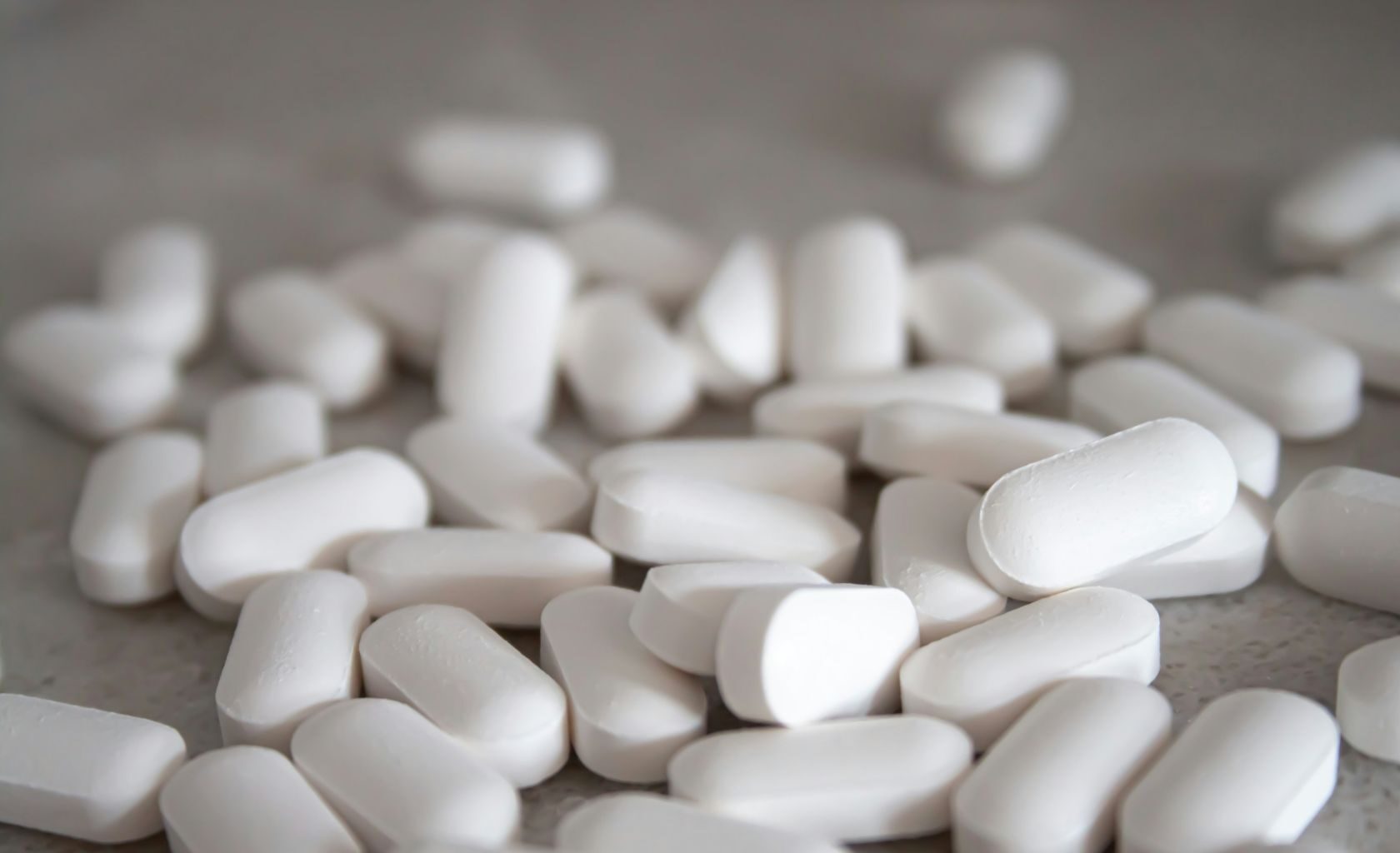
In a statement, APEF expresses “extreme concern” about the situation.
“Paracetamol, although safe at recommended doses, has a narrow therapeutic margin. An overdose can cause serious, irreversible, and potentially fatal liver damage,” warns Mónica Sousa, a member of the APEF board, quoted in the statement.
She says that “professionals in the field of liver transplantation witness daily devastating consequences of acute liver failure (irreversible liver destruction), caused by various reasons,” stressing that “what may seem like a harmless prank to many young people can, in a few hours, turn into a medical emergency with a fatal outcome or the need for a liver transplant.”
Initial Symptoms
APEF indicates that “initial symptoms, such as nausea or abdominal pain, are often mild or non-existent” in the first 24 to 48 hours, while the liver suffers progressive and sometimes irreversible damage, and “when clinical signs become evident, it may already be too late.”
“If you suspect that someone has ingested an excessive dose of paracetamol, seek emergency medical help immediately, even if there are no apparent symptoms. Early administration of an available antidote is all the more effective the sooner it is started,” it advises.
Appeal to Parents
In this sense, the association calls on parents and educators to talk to young people about the dangers of challenges on social media and to “keep medications in safe and inaccessible places,” and asks healthcare professionals to exercise greater vigilance in dispensing medication to minors.
It asks digital platforms to assume “their responsibility in monitoring and effectively removing content that encourages self-harming behaviours, especially among younger users.”
The Portuguese Pharmaceutical Society and the Portuguese Medical Association also warned of the risks posed by the so-called “Paracetamol Challenge,” a competition among young people in which the deliberate intake of high doses of the drug is encouraged.
The phenomenon has been observed in several European countries, such as Germany, Belgium, Spain, France, and Switzerland, with APEF specifying that the Maternal and Child Hospital of Málaga (Spain) recorded “the admission of several adolescents between 11 and 14 years of age with severe paracetamol poisoning” and that, in the United Kingdom, “cases of young people between 15 and 17 years of age hospitalized after participating in this type of challenge have been reported.”