
Illustration by The Globe and Mail/iStock
Ask a Doctor is a series of physician-authored columns offering insights and advice on common health topics. It is not a substitute for seeking medical care.
Chilly temperatures are part of life in Canada well into March, but periods of extreme cold bring real and predictable health risks. Emergency departments see more cold-related injuries during cold snaps, including frostbite, hypothermia, falls and cardiac complications.
Understanding how cold affects the body, and how to respond to extreme weather conditions, can help reduce those risks.
Know the health risks of cold exposure
When the body is exposed to cold, it prioritizes maintaining core temperature. Blood vessels near the skin constrict to reduce heat loss, which preserves warmth but decreases blood flow to the hands, feet, ears and face. Prolonged exposure can lead to frostbite. If heat loss exceeds the body’s ability to generate warmth, core temperature drops, resulting in hypothermia, which can impair judgment, coordination and heart rhythm (causing it to stop).
Cold exposure also places additional strain on the cardiovascular system. Blood pressure increases in cold environments, and the heart works harder to maintain circulation, increasing the risk of cardiac events, particularly in people with underlying heart disease.
How to thrive in the darkest months of the year
Certain medications can increase vulnerability to the effects of cold exposure. Blood pressure medications can blunt the body’s normal response to cold by limiting heart rate and circulation to the extremities. Diuretics increase fluid loss, raising the risk of dehydration, which can lead to impaired temperature regulation. Sedatives, opioids and some psychiatric medications can dull awareness of cold stress and delay recognition of danger. People taking these medications should focus on shorter exposure times, more frequent warming breaks and extra attention to protecting hands, feet and the face.
Some groups are at higher risk for cold-related illness or injury. Infants and young children lose heat more quickly due to a higher surface-area-to-body-mass ratio and limited ability to communicate discomfort. Older adults may have impaired temperature regulation or reduced mobility. People with diabetes, cardiovascular disease, peripheral vascular disease or respiratory conditions also face higher risks, as do individuals experiencing housing insecurity.
During extreme cold, check in on neighbours, family members and others who may be more vulnerable.
Understand temperature vs. wind chill
Air temperature alone does not indicate how quickly the body can lose heat. Wind increases heat loss by removing the thin layer of warm air that normally surrounds the skin. This is why wind chill is used to estimate how cold conditions feel on exposed skin.
Health risks increase as wind-chill values drop. At wind-chill values around −27°C, exposed skin can freeze in 10 to 30 minutes. At −40°C, frostbite can occur in as little as five to 10 minutes. At −55°C or colder, frostbite can develop in under two minutes.
These risks apply even faster for children and for exposed areas such as the face and fingers.
Plan ahead and layer up during extreme cold
Check the weather forecast and Environment Canada’s extreme cold and cold warnings, and pay attention to wind-chill values and rapid temperature drops – not just the daytime high.
Dress in layers. A moisture-wicking base layer, like wool, keeps sweat off the skin. An insulating middle layer, such as fleece or down, helps trap heat. A wind-resistant and waterproof outer layer reduces heat loss from wind and moisture. Clothing should allow room for insulation, as overly tight layers reduce warmth.
Our crossing guard turns a cold intersection into a place of warm connection
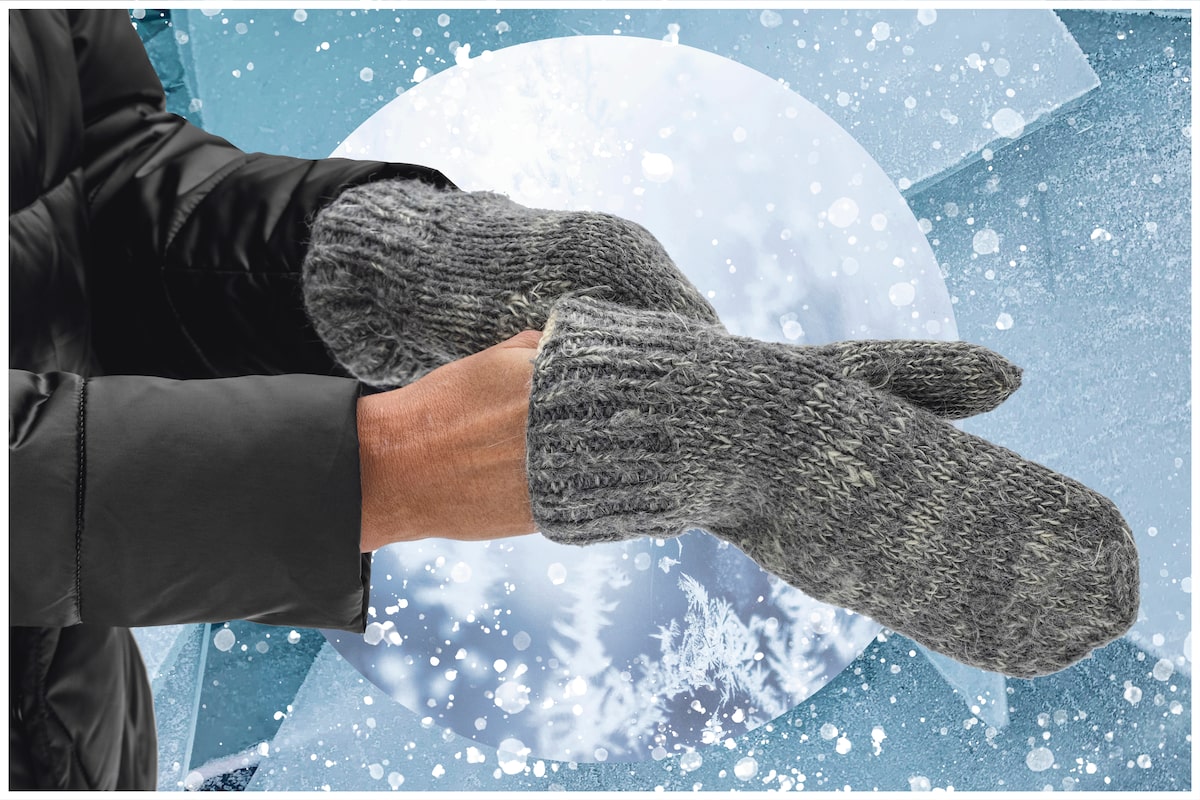
Protect exposed skin. A hat, insulated mittens, scarf or face covering and warm boots are essential when wind-chill values are very low. Mittens retain heat better than gloves, and covering the face can significantly reduce frostbite risk.
Limit time outdoors during extreme cold. Take warming breaks indoors when possible and be especially cautious with children, older adults and people with chronic medical conditions.
Alcohol should be avoided before or during cold exposure, as it increases heat loss and impairs judgment.
Cold snaps also increase risk during travel. Vehicle breakdowns in extreme cold can quickly become medical emergencies, particularly when wind chill is severe. Drivers should ensure winter tires are in good condition, keep fuel tanks topped up and carry an emergency kit that includes warm blankets, extra clothing, food, water and a charged phone or battery pack.
Be careful if exercising outdoors
Physical activity in winter can be safe, but extreme cold requires adjustments. Cold, dry air can irritate the airways and trigger coughing, chest tightness and shortness of breath, particularly in people with asthma or other respiratory conditions. Even in healthy individuals, high-intensity exercise in very cold air can cause airway inflammation.
Why does it seem as if some people forget how to drive when it starts snowing?
Covering the mouth and nose with a scarf or mask helps warm and humidify inhaled air. Longer warm-ups, reduced intensity and shorter outdoor sessions are advisable when temperatures or wind chills are very low. Chest discomfort, wheezing or unusual shortness of breath are signs to stop and warm up indoors.
Cold conditions also increase the risk of muscle strains and falls due to stiffer muscles and slippery surfaces, making flexibility and caution especially important.
Know the signs of frostbite and hypothermia
Frostbite occurs when skin and underlying tissues freeze. Early symptoms include numbness, tingling and pale or waxy-appearing skin, most commonly affecting fingers, toes, ears and the nose. As injury progresses, skin may become hard, blistered or discoloured.
If frostbite is suspected, get indoors immediately. Rewarm affected areas gradually using body heat or warm, not hot, water. Do not rub frozen skin or apply direct heat, which can worsen tissue damage. Medical assessment is important if numbness persists, blisters or discolouration develop or pain increases after rewarming.
Hypothermia is a life-threatening medical emergency that can occur after prolonged cold exposure. Symptoms of mild hypothermia include shivering and complaining of numbness in fingers and toes. Moderate to severe hypothermia can lead to lack of coordination and speech, confused behaviour and slow breathing. If you suspect severe hypothermia call emergency services immediately.
Shazma Mithani is an emergency physician working with adult and pediatric patients in Edmonton. Dr. Mithani is actively involved with the Canadian Medical Association, Alberta Medical Association and Sexual Assault Centre of Edmonton. She is also co-host of The Doc Talk Podcast.