
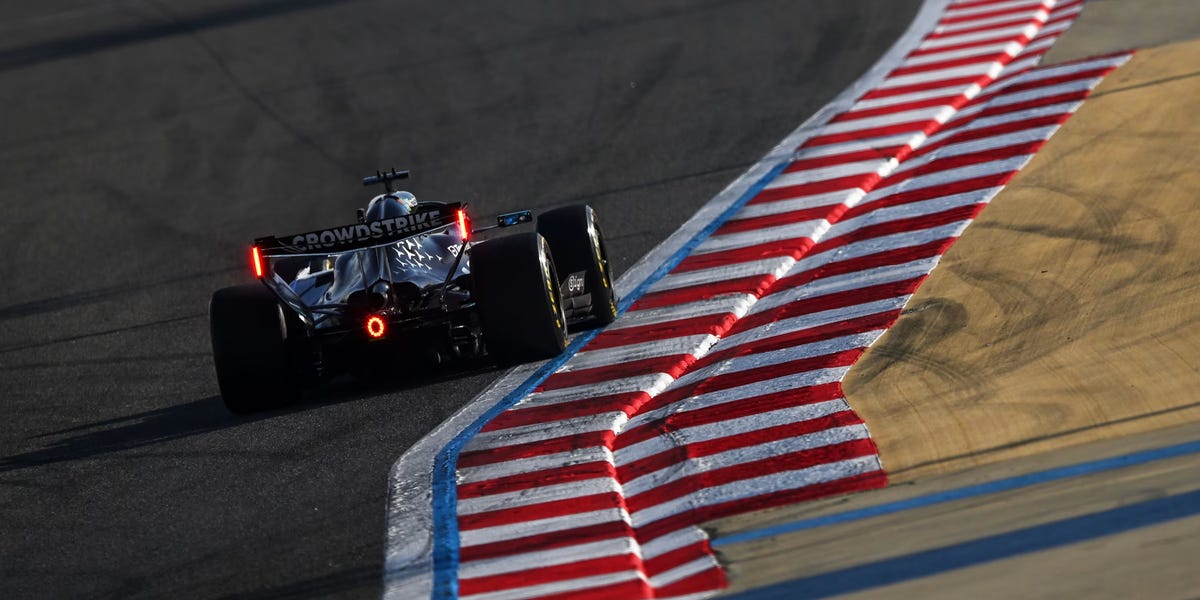
Formula 1’s 2026 technical regulations have introduced sweeping changes to chassis, power units, and aerodynamics, but one of the most visible updates for fans is the addition of redesigned rear and side lights on every car.
The most prominent of these is the Rear Impact Structure (RIS) light, an oval-shaped unit positioned at the center of the rear of the car. For most of a race weekend it will appear red, but its flashing patterns now convey detailed information about a car’s energy deployment:
A single flash indicates that the MGU-K is delivering less electric power than the max 350kW.Two flashes show that it has stopped delivering power entirely.Multiple rapid flashes signal that the MGU-K is recharging.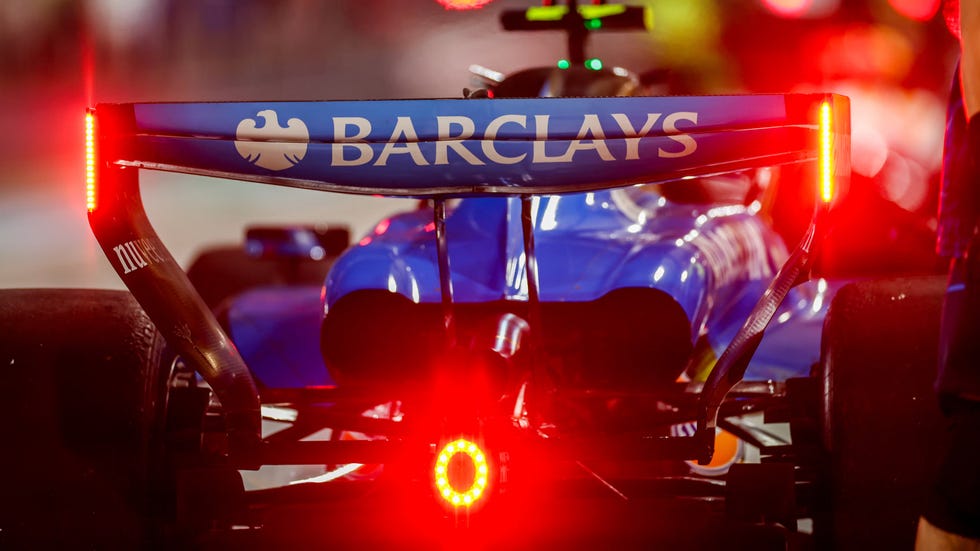
Formula 1
The RIS still serves traditional safety functions. It can signal a Safety Car period, indicate that the engine has stopped on track, or show that a car is running intermediate or wet tires. The redesigned unit is a tad lighter, and now includes a rear-facing onboard camera. It can also change color. Currently, it turns blue when the driver does not hold a full super license, but additional color functions may follow.
“First of all we’ve got a new specification, which means we can change the colour. That way we can give different messages to who’s following. That will evolve and improve over time—it’s in order to not just have a single red one,” said FIA Single Seater Director Nikolas Tombazis. “[At the moment] they are intended to give warnings to drivers behind if there’s a recharge going on, whether there’s a sudden deceleration, and clearly there’s also the main function, the original function, which is in the rain.
Formula 1
“We feel that with the new specification, which can do different colours, we can provide more information to who’s behind.”
To enhance visibility, the rear wing end plate lights now mirror the RIS flashing sequence and always remain red.
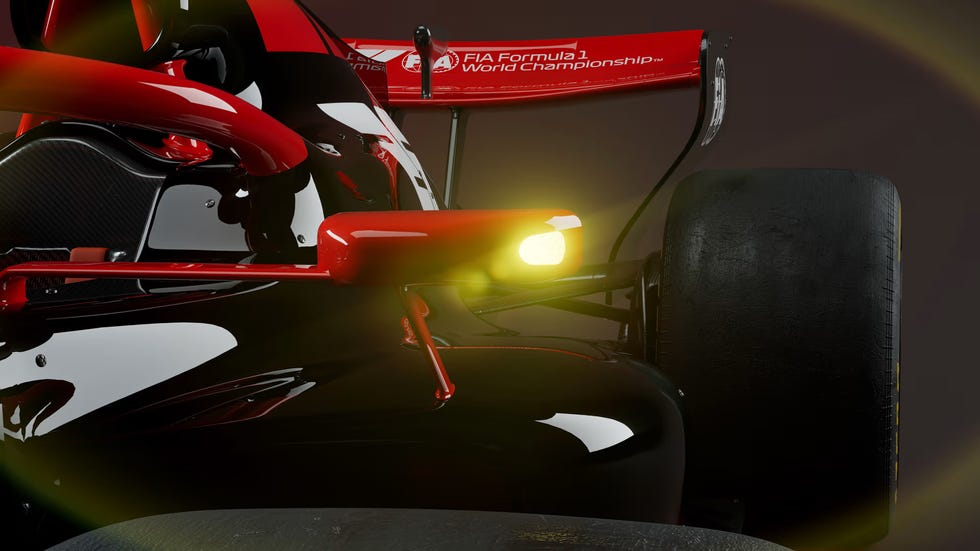
New side-mounted safety lights have also been added to the mirrors, visible from the front and sides. These amber lights activate when a car spins, stops, drops below 12.4 mph, or becomes stuck in neutral at a race start.
Related Story
“They were an idea by the drivers in one of the driver meetings,” Tombazis said. “Basically, they were saying that if a car has spun around in the wet conditions and is sat laterally, you cannot see the rear light, because you’re on the side.
“You may be an approaching car, and because it’s a bit misty, you may not see it. Therefore, it was proposed that there would be some lateral lights, so this is why we added those lights.”
The new systems aim to provide clearer communication and improved safety, says F1.

But for a couple of sketchy, short-lived gigs right out of college, Natalie Neff has had the good fortune to spend the entirety of her professional life around cars. A 2017 Honda Ridgeline, 1972 VW Beetle, 1999 Ducati Monster and a well-loved purple-and-white five-speed Schwinn currently call her garage home.