
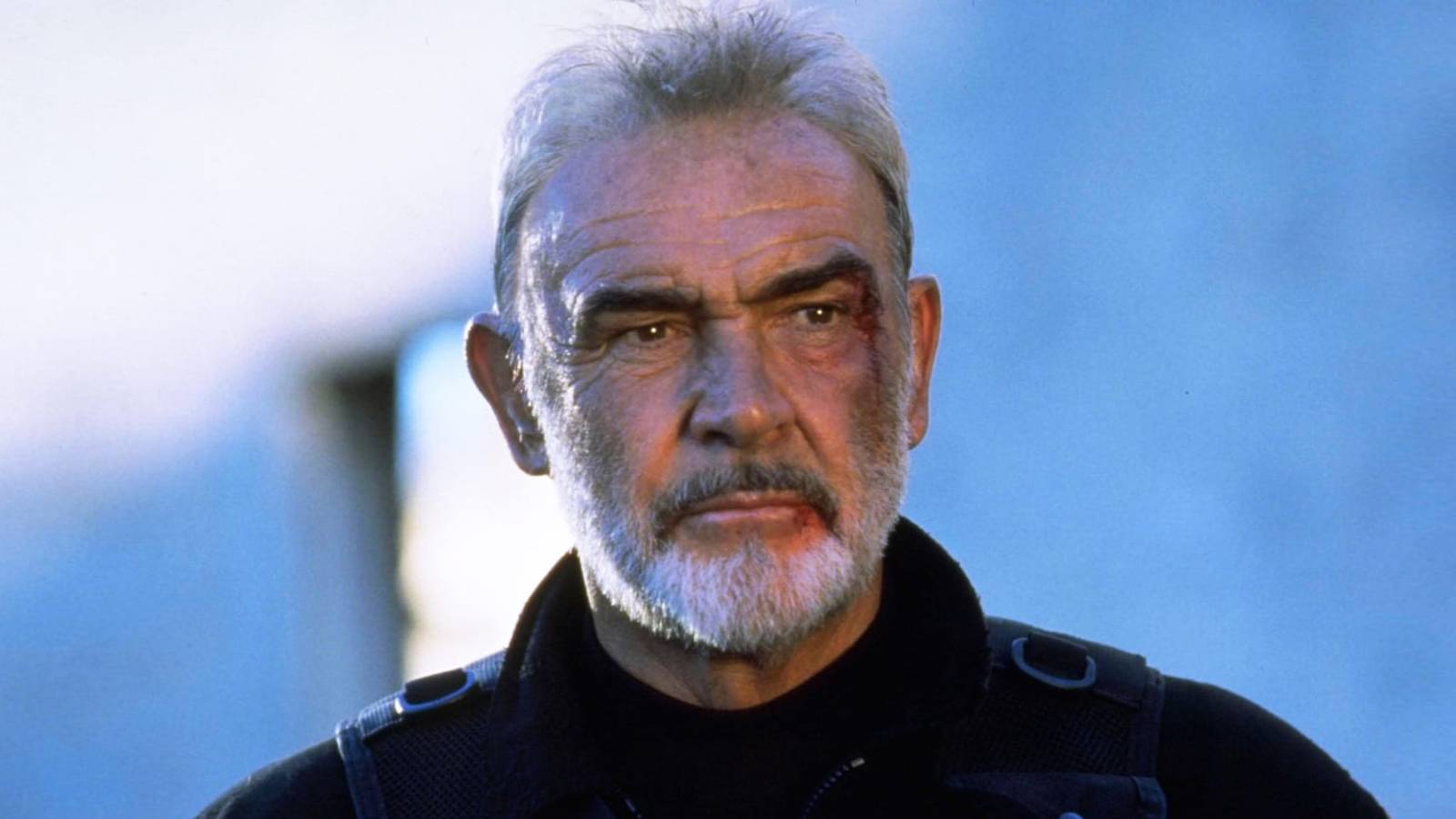
1996 marked a significant generational shift in Hollywood cinema. High-concept blockbusters introduced a new wave of action stars who were not the muscle-bound superheroes of the ’80s. Popular film genres were subverted in groundbreaking ways. Independent films took chances on new ideas that eventually earned accolades during Oscar season. In retrospect, 1996 set the course for what was to come for the remainder of the decade.
The following list looks back at ten seminal movies released in the very year when Bill Clinton was re-elected U.S. President, the Spice Girls ruled MTV, and the internet became more readily available in homes across America.
10
Primal Fear (1996)
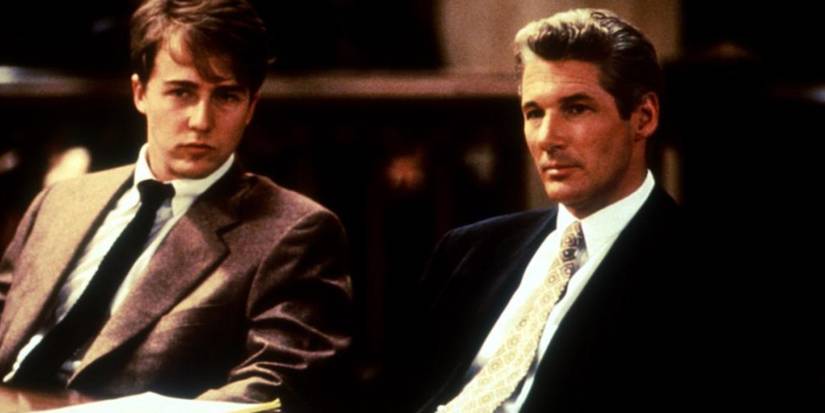
Edward Norton and Richard Gere as Aaron and Martin wearing suits and ties sitting down in a courtroom in ‘Primal Fear’Image via Paramount Pictures
“I believe in the notion that people are innocent until proven guilty.” Based on the novel by William Diehl (Sharky’s Machine), Primal Fear follows hotshot Chicago defense attorney Martin Vail (Richard Gere). He leaps at the opportunity to defend a meek altar boy named Aaron Stampler (Edward Norton), who is charged with the murder of the city’s archbishop. In seeking the real killer, however, Vail discovers a disturbing revelation that completely jeopardizes his case.
Though Primal Fear succeeds as a thrilling courtroom drama, the film is especially significant for introducing Edward Norton, who, at age 26, made his cinematic debut after replacing Leonardo DiCaprio in the Stampler role. His sympathetic portrayal meshed with a twisted turn that dazzled critics and audiences alike. Its unforgettable final act rivals The Usual Suspects in sheer surprise factor.
9
The Birdcage (1996)
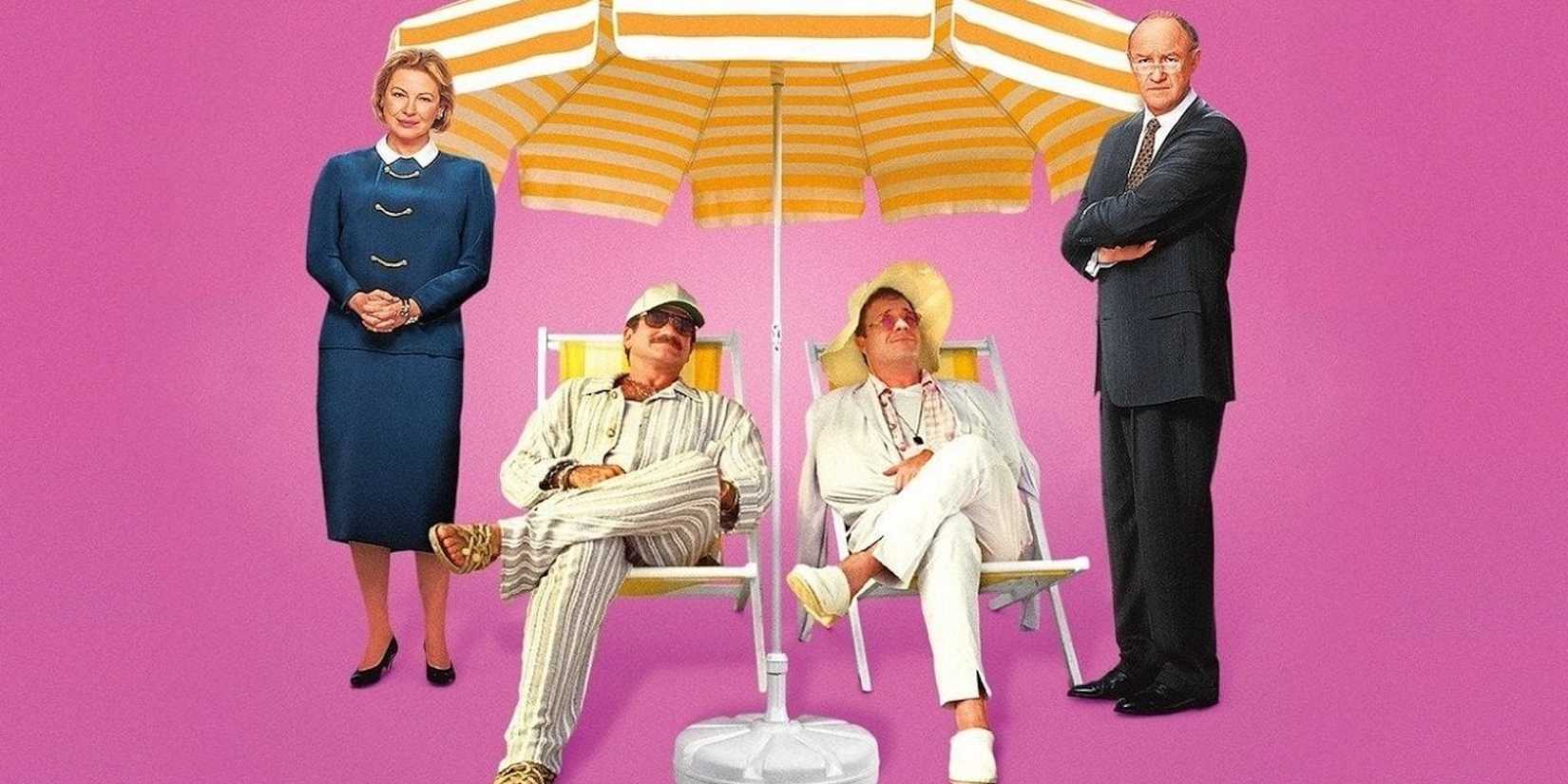
Image via United Artists
“I pierce the toast!” The Birdcage defied the odds as a studio-produced comedy. A remake of the 1978 French film La Cage aux Folles, the Mike Nichols production centers on Miami drag club owner Armand Goldman (Robin Williams) and his performer partner Albert (Nathan Lane). Together, the couple attempts to downplay their flamboyant lifestyle when Armand’s straight son gets engaged to the daughter of an ultraconservative U.S. senator (Gene Hackman).
The legendary Williams shines with his unrestrained wit and charm. However, his chemistry with Lane is where the film’s enduring appeal truly lies. A mixture of farce and truth, it cuts through the barriers that once kept movies with LGBTQ+ themes from finding mainstream success. Even in its raucous moments, The Birdcage has something meaningful to say about acceptance, and it continues to stand the test of time.
8
The Rock (1996)
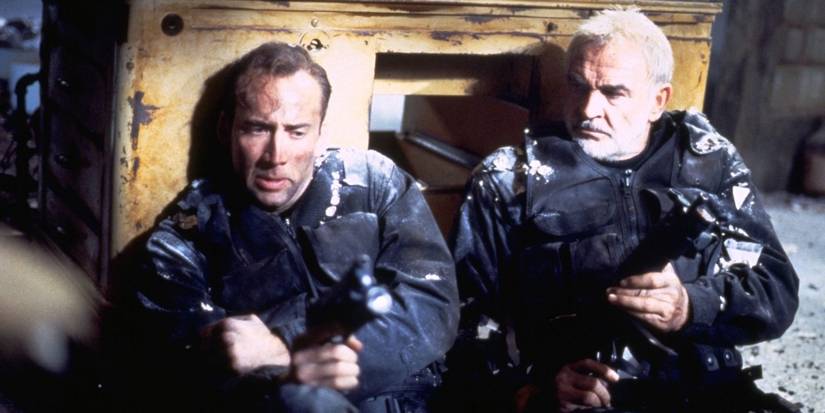
Sean Connery and Nicolas Cage ducking gunfire in The Rock.Image via Hollywood Pictures
“Welcome to the rock!” Michael Bay’s second theatrical blockbuster reshaped the action genre by respecting the past while embracing the future. When a rogue U.S. Marine general (Ed Harris) seizes control of Alcatraz Island and its tourists for ransom, the FBI works with the Department of Defense to execute a rescue mission. Unfortunately, most of the team is killed upon arrival, leaving a disgraced former British agent (Sean Connery) and an FBI chemical-weapons specialist (Nicolas Cage) to save the day.
The Rock is a rare example of an aging star proving he can physically match men half his age. Connery returned to his James Bond roots while fully embracing Bayhem, while Bay’s explosive direction helped transition Cage from Oscar-winning character actor to off-kilter action leading man.
7
The English Patient (1996)
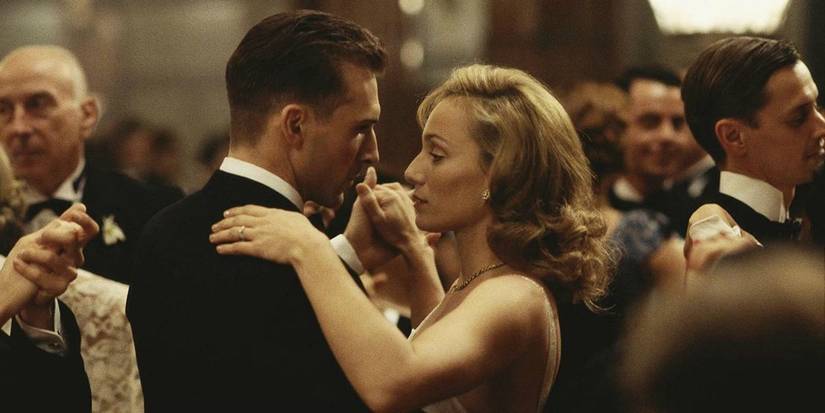
Ralph Fiennes dancing with Kristen Scott Thomas in The English PatientImage via Miramax
“New lovers are nervous and tender, but smash everything. For the heart is an organ of fire.” The English Patient was a multiple Academy Award–winning film that made Miramax Films the A24 of its day. Based on Michael Ondaatje’s 1992 novel, the epic romance drama by director Anthony Minghella uses World War II as the backdrop for the story of a man (Ralph Fiennes) burned beyond recognition who recounts his memories to the French-Canadian army nurse (Juliette Binoche) caring for him.
With outstanding performances from Fiennes, Kristin Scott Thomas, and Binoche, the film epitomizes the grand, adult-oriented prestige drama studios once championed. Its lush cinematography and nonlinear structure elevated it beyond conventional melodrama.
6
Trainspotting (1996)
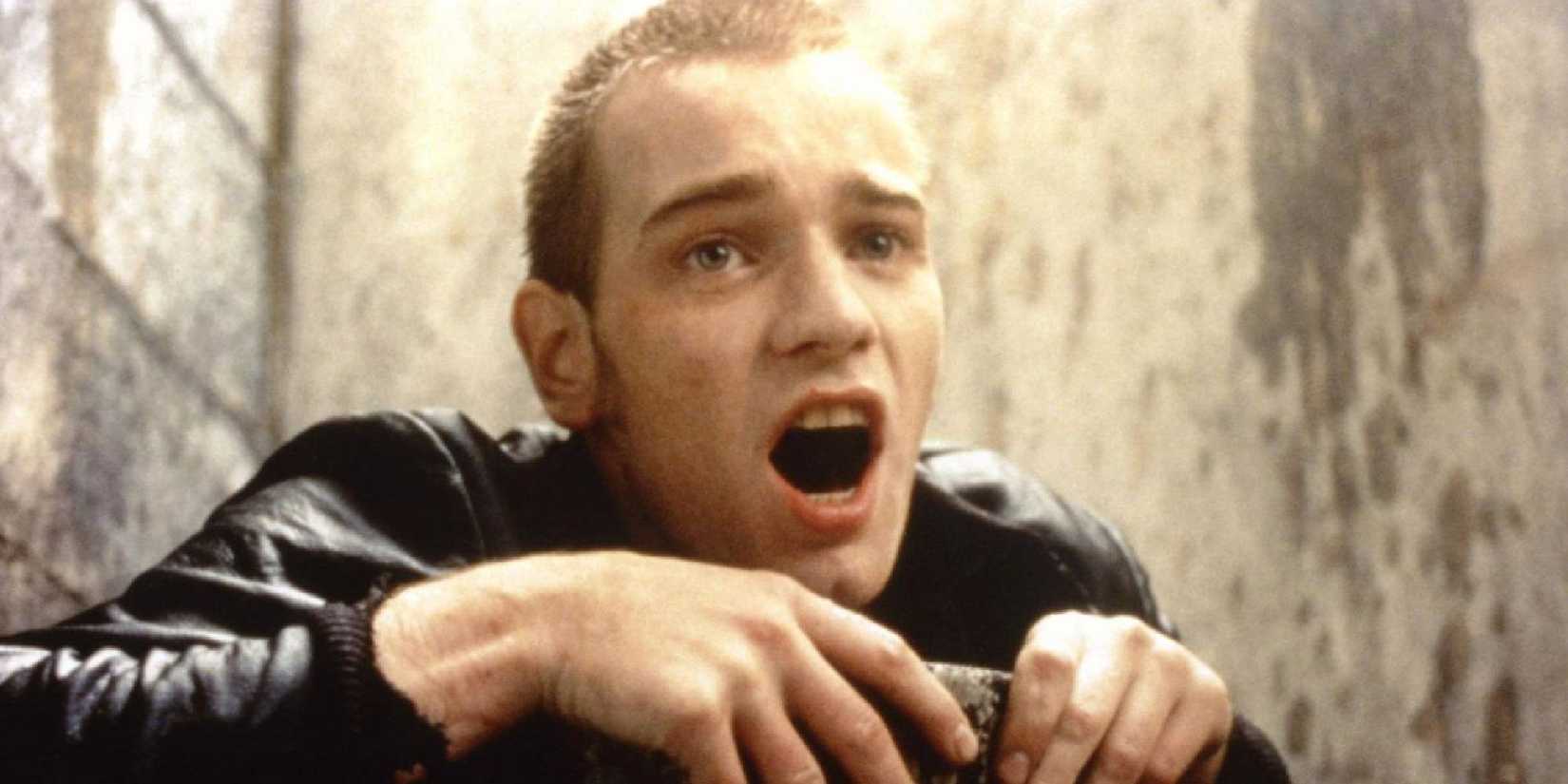
Ewan McGregor as Mark Renton, emerging from a toilet in the original ‘Trainspotting’Image via Miramax Films
“Who needs reasons when you’ve got heroin?” Danny Boyle’s breakout dark comedy captured the drug scene in Edinburgh with frantic MTV-level energy. Adapted from Irvine Welsh’s novel, the film centers on unemployed heroin user Mark “Rent Boy” Renton (Ewan McGregor) and his circle of drug-addicted friends wreaking havoc across their economically depressed surroundings.
Trainspotting’s manic editing, soundtrack, and dark humor create a visceral viewing experience. More than shock value, it offered a stylized look at addiction and alienation while cementing Boyle and McGregor as international forces.
5
‘Jerry Maguire’ (1996)
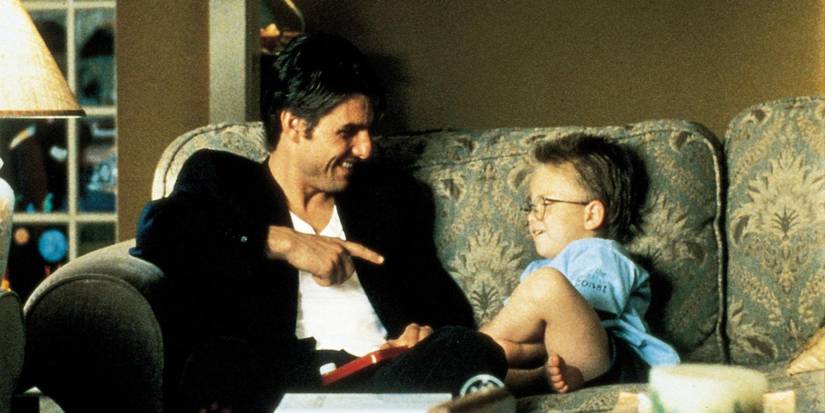
Tom Cruise and Jonathan Lipnicki laughing in Jerry MaguireImage via Sony Pictures Releasing
“Show me the money!” Jerry Maguire was a career high point for writer/director Cameron Crowe (Say Anything…, Singles) and reminded audiences why Tom Cruise sustained his appeal beyond his early ‘80s rise. Cruise takes on the title role of a fast-talking sports agent who loses his lush job, his fiancée (Kelly Preston), and his clients save an NFL wide receiver (Cuba Gooding, Jr.). He develops an emotional attachment to a fellow employee (Renée Zellweger) and her young son, which gives him a new lease on life.
Gooding, Jr.’s unforgettable line would cement his Best Supporting Actor award win at the Oscars and has been part of the cultural zeitgeist ever since Jerry Maguire’s release. However, the film’s lasting legacy lies in its humanity. This was far from the Tom Cruise who danced in his underwear in Risky Business or powered fighter jets in Top Gun. The world’s biggest movie star got to show that beyond the confident exterior lies a broken man in need of a home. The mix of warm romance and satirical depiction of high-stakes sports representation makes Jerry Maguire one of the standout films of the ‘90s period.
4
‘Mission: Impossible’ (1996)
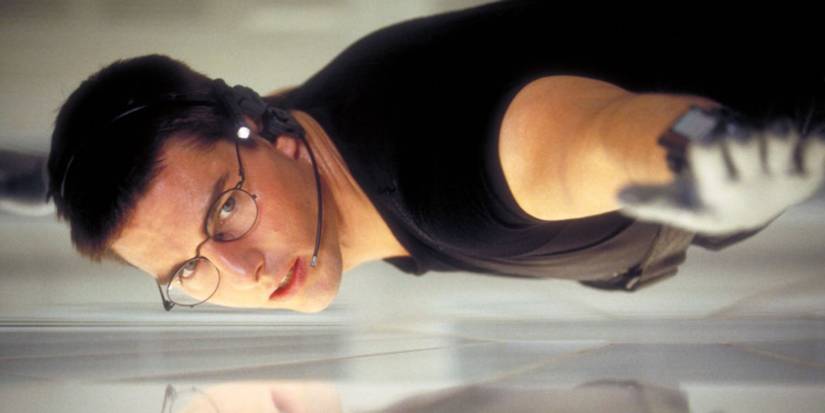
Tom Cruise as Ethan Hunt in ‘Mission: Impossible’ 1996Image via Paramount Pictures
“You’ve never seen me very upset.” When Brian De Palma directed the first Mission: Impossible, few could have predicted that it would eclipse the classic ‘60s television spy adventure show. The film that kicked off an eight-movie franchise follows IMF Agent Ethan Hunt (Tom Cruise) as he attempts to clear his name after a botched mission resulting in the death of his team.
The CIA vault heist sequence — with Cruise suspended inches above the floor — remains one of the most expertly constructed suspense scenes of the modern era. De Palma’s emphasis on Hitchcockian paranoia and misdirection set a sleek tone that would evolve across the sequels. More importantly, the film established Cruise as a fearless action star, paving the way for the death-defying stunts that define the franchise today.
3
‘Scream’ (1996)
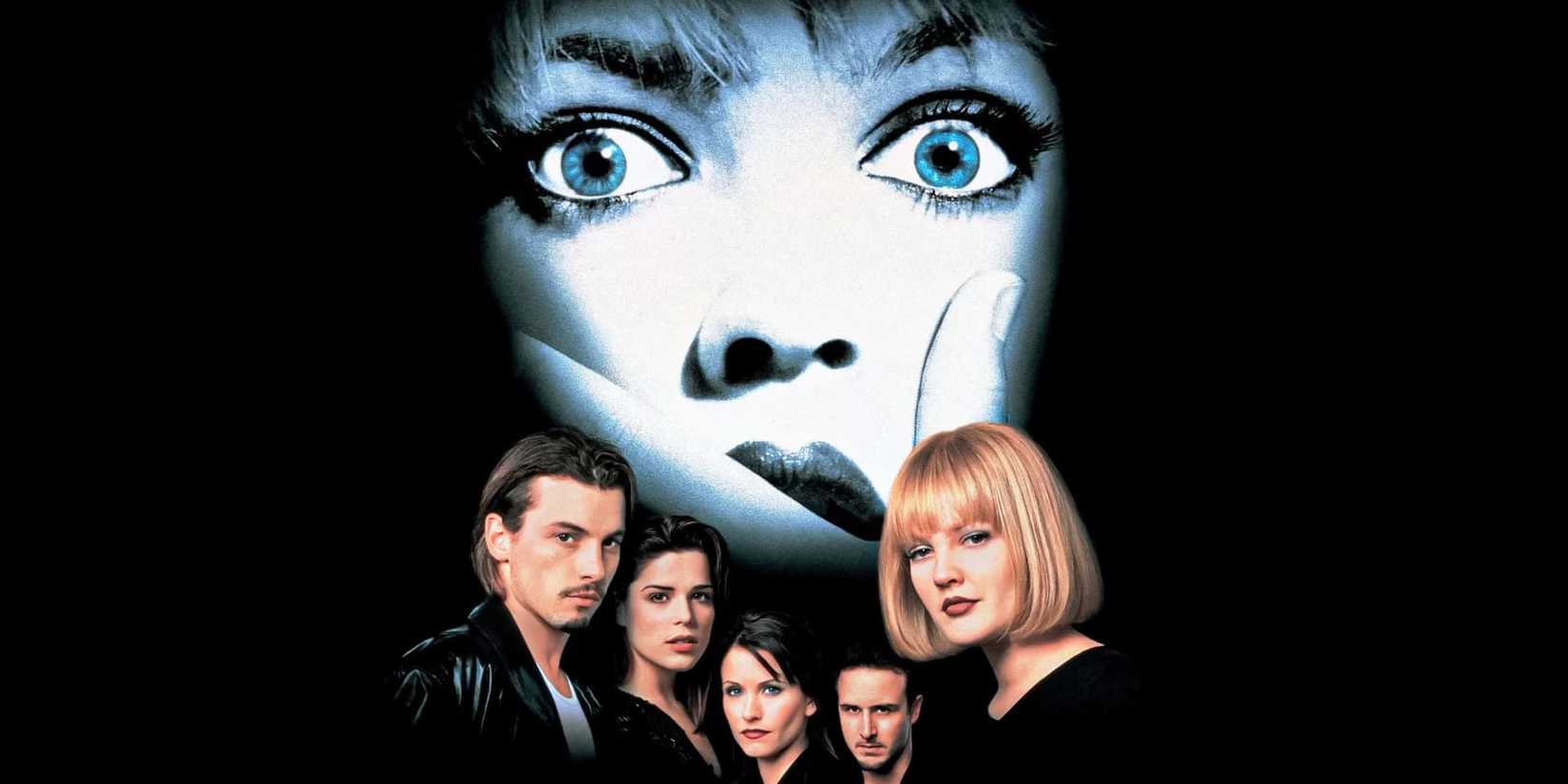
Image via Dimension Films
“What’s your favorite scary movie?” At a time when Freddy Krueger and Jason Vorhees overstayed their welcome with moviegoers, Wes Craven’s Scream revived the slasher genre with a Tarantino-like meta screenplay by Kevin Williamson. Set in the fictional town of Woodsboro, a masked serial killer dubbed “Ghostface” hunts down a group of teens, including Sidney Prescott (Neve Campbell), by taunting them over the phone while using clichéd horror tropes to outsmart them.
From its iconic opening sequence featuring Drew Barrymore to its unforeseen twist, Scream broke new ground for an age-old brand of horror. Even with its dark humor, the suspense is terrifying, and the gore factor is just as unsettling as any Friday the 13th installment. With each sequel that follows, including the new release Scream 7, there’s a reason to have Ghostface come back and use everything from sequel tropes to remake tropes to stalk more teen idols. But that original 1996 classic not only revitalized slashers but also kicked down the doors for a new wave of teen-centric movies to flood the marketplace.
2
‘Fargo’ (1996)
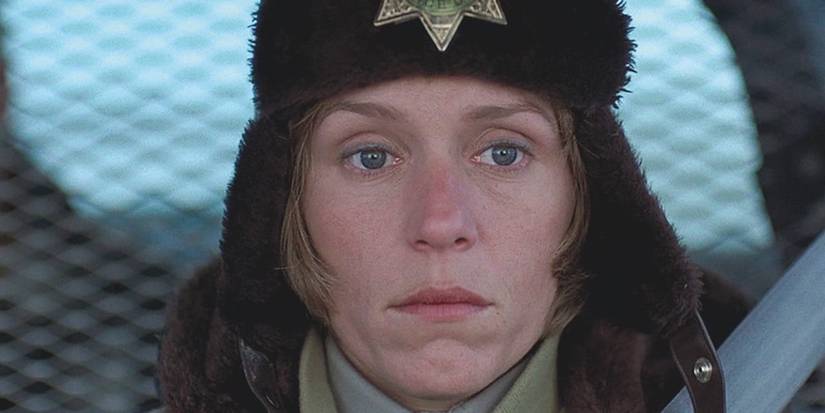
Frances McDormand as Marge Gunderson, sitting in a cop car and looking sad in FargoImage via Gramercy Pictures
“I’m Cooepratin’… Darn Tootin’!” Fargo was more than another instant classic for The Coen Brothers. Set in the late ‘80s, the dark comedy takes place across Minnesota and North Dakota, where a money-hungry car salesman (William H. Macy) hires a pair of low-level thugs (Steve Buscemi and Peter Stormare) to kidnap his wife as part of a larger plot to extort the wife’s rich father. The cop in charge of finding the salesman’s wife: A pregnant Minnesota police chief (Frances McDormand).
McDormand’s portrayal of the relentlessly polite yet razor-sharp police chief anchors Fargo’s morbid humor. Her grounded performance won an Academy Award and remains one of cinema’s most quietly powerful turns. The Coens’ distinctive tone — balancing deadpan comedy with grim brutality — helped define their career and influenced countless filmmakers. Few films capture the banality of evil with such precision.
1
‘Independence Day’ (1996)
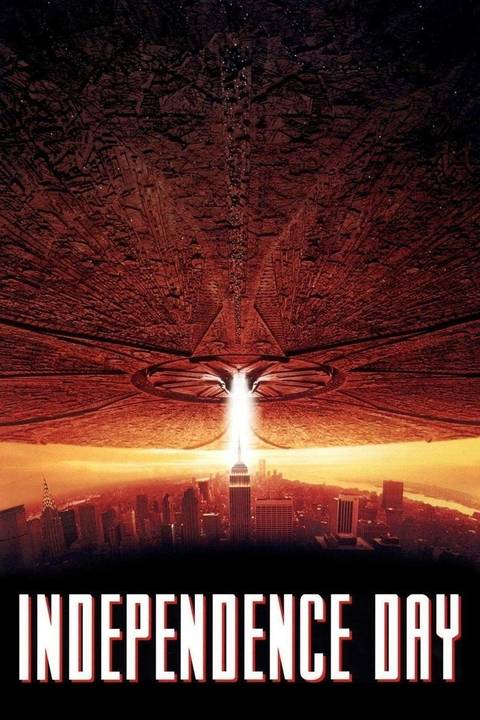
“Welcome to Earth!” Not since Jurassic Park had a summer blockbuster built up so much hype and mystery to pay off huge. Independence Day helped to revive the disaster movie craze of the ‘70s with a CGI-ridden spectacle involving an alien invasion across three major American cities. As the nation’s birthday nears, the President (Bill Pullman), a satellite technician (Jeff Goldblum), and a charismatic Air Force pilot (Will Smith) scramble to fight back.
Modern blockbusters have since eclipsed Independence Day when it comes to special effects and character development. But in 1996, this was as close to a new Star Wars movie for a young generation that had only experienced George Lucas’s original trilogy on VHS. The image of the White House exploding below an alien mothership brought chills to curious moviegoers. Smith transitioned from sitcom star to cinematic leading man with his charismatic portrayal of the heroic pilot. Pullman’s rousing speech before the showdown continues to be one of those lasting moments when audiences stood up and cheered. Independence Day was special because it embraced the moviegoing experience with pure larger-than-life entertainment.
Release Date
July 3, 1996
Runtime
145 minutes
Director
Roland Emmerich