

Listen to this article
Estimated 4 minutes
The audio version of this article is generated by AI-based technology. Mispronunciations can occur. We are working with our partners to continually review and improve the results.
A year ago, Lincoln Drake-Cipperly never imagined he’d be stepping into a ring to fight in front of hundreds of spectators.
The 17-year-old Campbell River, B.C., teen recently fought his first professional bout at the Buckskin Gloves Indigenous boxing event in Richmond, representing his hometown and a free boxing program for First Nations youth that he said changed his life.
“I became a better, healthier person from boxing. This program has brought me experiences I never thought of before,” Lincoln said in an interview before Monday night practice in Campbell River.
“It has changed my life completely.”
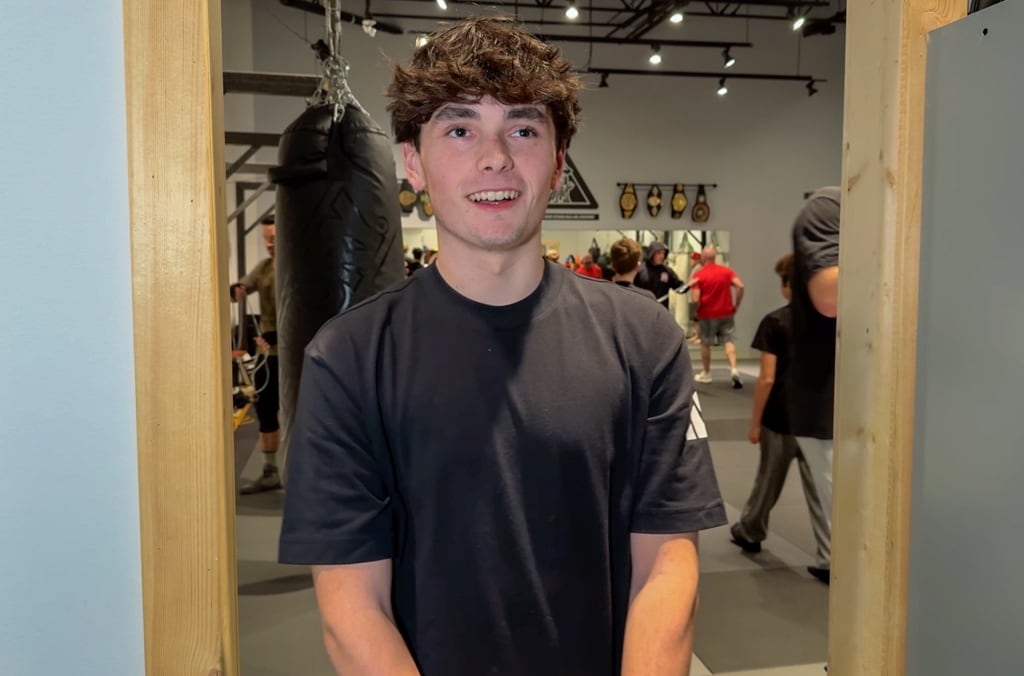 Lincoln Drake-Cipperly is part of a free boxing program run by a local boxing club, First Nation and health society. (Maryse Zeidler/CBC)
Drake-Cipperly, who’s from the Wei Wai Kum First Nation, began training a year ago, around the time the First Impact Program first launched. At the time, he said he struggled with discipline and consistency. But now, he’s committed to training and inspiring other youth to get moving and have fun while doing it.
“It’s one of the best choices I ever made,” he said.
A place to belong
Drake-Cipperly is what his coaches called a “byproduct” of the free boxing program – a partnership between the Campbell River Boxing Club, the Liǧʷiłdaxʷ (LKT) Health Society and the Wei Wai Kum Nation (who funds the program).
Coral Duncan is a Trauma Healing Coordinator with LKT and helped connect local youth to the program after the boxing club reached out. She said the need for youth-focused programming became clear amid rising mental health challenges and the ongoing toxic drug crisis.
“We’ve been trying to figure out what are we going to do with our youth — how do we uplift them?” Duncan said.
She believes both culture and sport can save lives, and that movement, connection and community play a critical role in wellbeing.
“To have a place where they belong and a community they can be a part of. It takes a lot of bravery just to attend, yet the kids are here every week. They’re showing the success themselves,” she said.
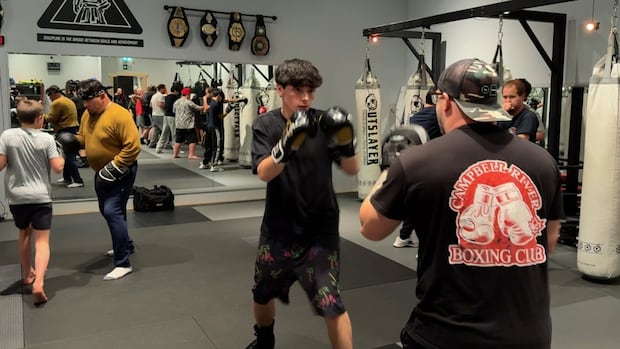
The First Impact Program offers free classes three nights a week with the club which is renting space out of the Pure Martial Arts facility. There are no strict requirements, Duncan says, and all Indigenous youth in the area are eligible.
Brendan Miller, one of the coaches of the program and president of the non-profit Campbell River Boxing Club, says the program was built around opening opportunities and fostering confidence and hope.
“It’s giving kids a chance to understand their value and their worth,” Miller said. “Success to me is when somebody looks in the mirror and they say they love themselves.”
Miller first stepped into a boxing gym in 1996 at age 11. He went on to win provincial and national titles and represent Canada before returning to Campbell River to reopen a club with three other former boxing champions.
Miller trained with Lincoln over the last year, calling his future in boxing “limitless,” but not all participants have to want to train to that level. It’s about creating a safe space for them to go when they need it.
For Drake-Cipperly, the transformation hasn’t just been physical, but in his sense of purpose. He wakes up at 5 a.m. for runs. He tracks his nutrition. He trains alongside experienced coaches and newfound family.
Even after losing his first professional bout to an experienced fighter, he says he left the ring smiling.
“I never imagined I would ever be able to represent my hometown in anything at all,” he said. “I want to get back in the ring as soon as I can.”
For this youth from the Wei Wai Kum Nation, the First Impact Program is proof that impact starts with one punch, and one chance.