
Key Takeaways
Sprouted garlic is completely safe to eat, and both the green shoots and inner germ are edible and even offer antioxidants and minerals.While raw sprouts can taste bitter, cooking them mellows the flavor, making them easy to sauté, roast, stir into dishes, or use like scallions.The only time to toss garlic is when it turns soft, squishy, or brown—sprouting alone isn’t a sign that it’s gone bad.
Have you ever reached for a head of garlic, only to find that it’s growing sprouts? The long green shoots—also known as garlic scapes—can be quite the surprise, especially if you’ve never seen them before. Understandably, you might wonder if it’s safe (or appealing) to eat. To find out, we asked a professional chef to explain the ins and outs of sprouted garlic, plus how to use it in recipes.
Michael Handal, chef and instructor at the Institute of Culinary Education
Why Does Garlic Sprout?
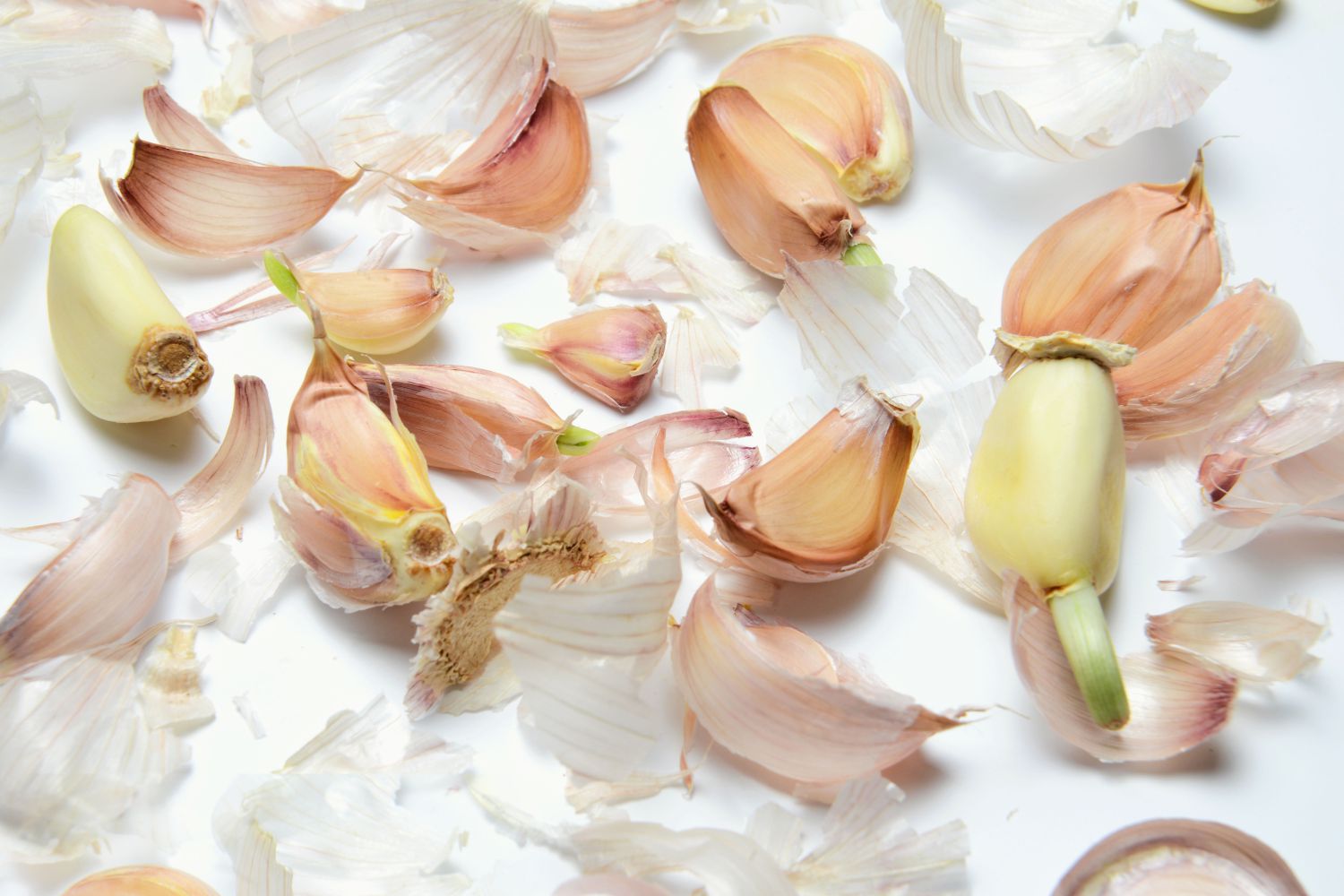
Every clove of garlic has a small green or white sprout in the center. This sprout is called the “germ.” Over time, the germ will begin developing into a new garlic plant, especially if the garlic is stored in a warm and humid environment, notes chef Michael Handal. The sprout will also start with a light green color, but darken as it matures. “Eventually, shoots will break through the top of the clove as it begins to form a new garlic plant,” Handal explains.
Sprouting is also perfectly normal, though the time it takes to occur depends on how you store your garlic. “Garlic brought home from the market and stored in a dark spot, with cool, ambient air, should last for several months,” says Handal. But if you store garlic in the refrigerator (which is not recommended) it can sprout very quickly, potentially in just several weeks, Handal points out. The same goes if you store it near potatoes, as the natural gases from the potatoes will cause garlic to mature at a faster rate, according to Handal.
Can You Eat Sprouted Garlic?
Good news: Both the green germ and resulting sprouts are edible, Handal shares. In other words, it’s totally safe to eat sprouted garlic! In fact, garlic sprouts are a great source of antioxidants, as well as minerals like calcium, phosphorus, and zinc.
It’s also worth noting that garlic sprouts are bitter when raw, but cooking usually eliminates the harsh taste, Handal notes.
How to Cook With Sprouted Garlic
Garlic sprouts can be cooked in a variety of ways. They can be sautéed, stir-fried, grilled, blanched, and roasted, according to Handal.
The easiest method is to sauté them in oil and serve them as a side dish. Alternatively, you can add sautéed garlic sprouts to fried rice, meat dishes, avocado toast, pizza, or scrambled eggs. Love pungent flavors? Use them raw in pesto, salads, dips, or hummus for a tasty punch. You can also use sprouts like you would chopped scallions, whether you’re making soup or garnishing dumplings.
As for the green germ in the middle of the clove? You can leave it or remove it before cooking, Handal notes. “Chefs can go either way on this subject, but it’s easy enough to remove the germ with the tip of a paring knife to separate the germ from the clove,” Handal explains. Once cooked, the bitter flavor of the germ will soften.
When to Throw Away Sprouted Garlic
If a head of garlic or the individual cloves have become soft, squishy, or brown, the garlic should not be used, Handal cautions. “These are signs that the garlic is going bad. In this case, toss the garlic and opt for a new head of garlic,” he says.