
Volunteers with the grassroots, non-profit organization Urban Wagons have been walking the downtown streets of Winnipeg every Monday evening for the last three years offering seasonal clothing, self-care products, bottled water, hot soup, plastic wrapped sandwiches, granola bars and fruit to any unsheltered and vulnerable individuals that they encounter.
This week their food offerings will include a new item: triangular shaped fruit or poppyseed filled pastries called hamantashen. Hamantashen are the traditional food associated with the Jewish holiday of Purim.
Purim is a widely celebrated, joyous festival commemorating events that occurred in the fourth century BCE after Haman, an adviser to the Persian King Ahasuerus, plotted, with the king’s assent, to murder the regime’s Jewish population. Haman’s plan was foiled when the king’s wife, Queen Esther, a secret Jew, risked her life by revealing her true identity to her husband and entreated him not to annihilate her people. Thanks to her courage, the Jewish population of Persia was saved and Haman was punished for his malevolent machinations.
Mindaugas Kulbis / The Associated Press files
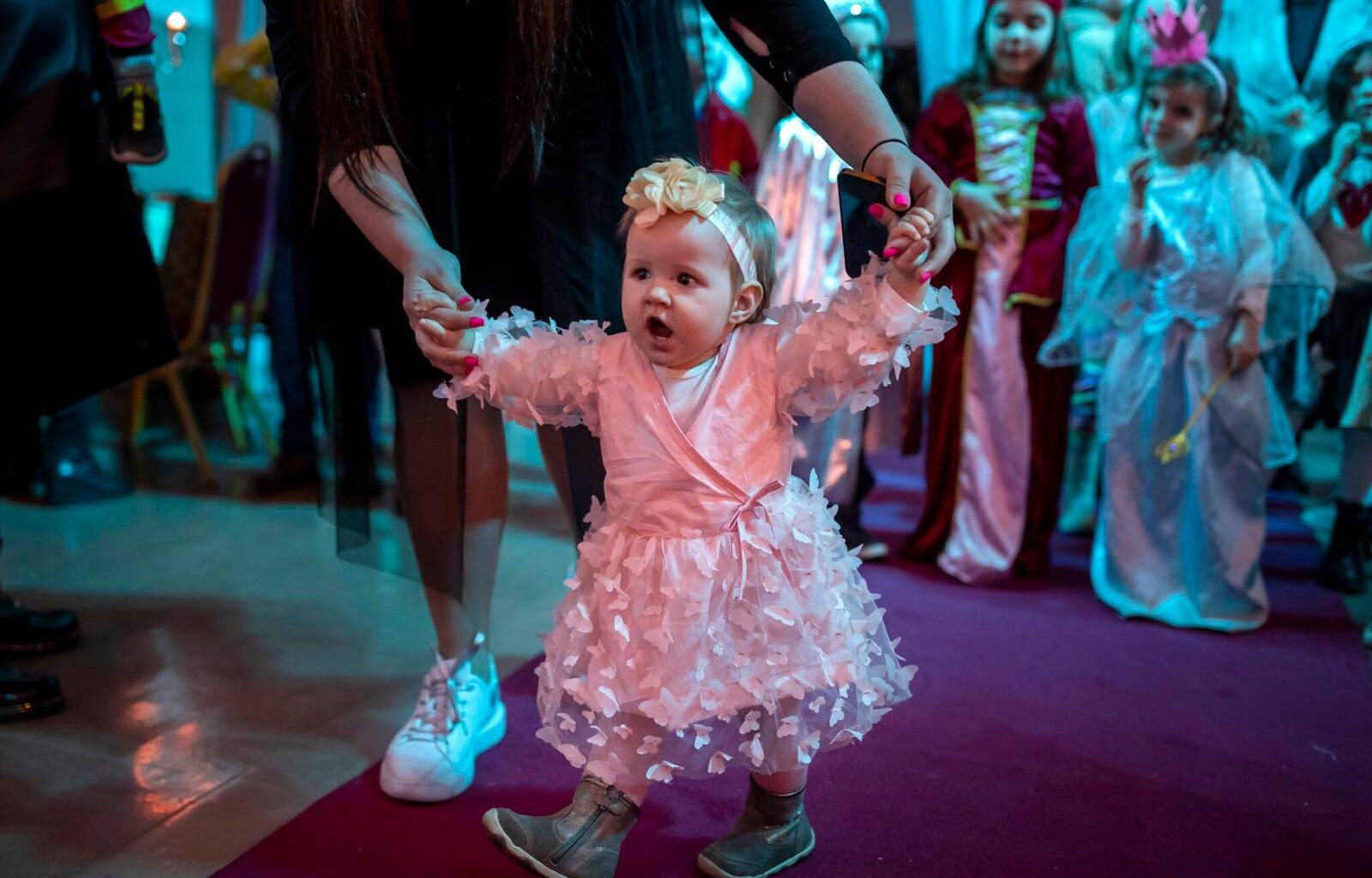
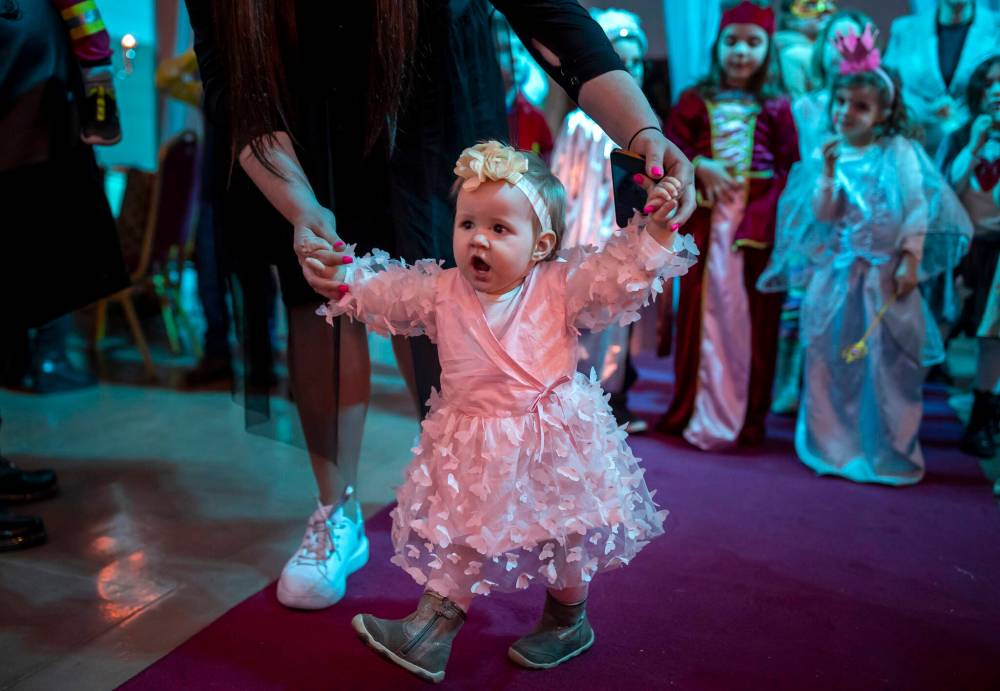
A girl attends a Jewish festival of Purim celebration at a synagogue in Vilnius, Lithuania, in March 2022.
The story of Purim is recounted in the Old Testament Book of Esther, or Megillah Esther, which is read aloud in synagogue on the eve of and during the day of the holiday. Listening to the reading of the Megillah is one of the main mitzvot, or commandments, associated with Purim, which begins this year on the evening of March 2.
Purim is celebrated as well with carnivals, costume parades, parodies, feasts and two other essential mitzvot — mishloach manot, referring to the exchange of gifts of food among Jewish community members, and matanot l’evyonim, donations of food and money to the community’s impoverished. Giving to non-Jews during Purim is not a religious requirement but is considered by many as a logical extension of the latter commandment and an opportunity to add a social justice element to the holiday celebration.
That is why Gray Academy of Jewish Education teacher, Andrea Broitman, has arranged for her students to bake hamantashen and donate them to Urban Wagons for distribution during their weekly walk.
“For me, this project is about much more than baking,” Broitman explains. “It is an opportunity to teach one of the most important mitzvot — giving and helping others. I see it as a core value in Judaic education: learning to truly see others and respond to their needs.”
“As a Judaic Studies teacher,” she continues, “it is very important to me that our students develop a strong sense of responsibility and compassion toward those who need support the most. I truly believe that experiences like this help shape better people and more caring citizens.”
A similar sense of responsibility and compassion for their own community and for others has guided the members of the Winnipeg branch of National Council of Jewish Women for decades. Among numerous other initiatives, volunteers from the group have hosted citizenship court for new Canadians, supported women’s shelters, and advocated for affordable child care.
They also have baked an estimated 15,000 hamantashen over the course of 50 years!
Those hamantashen, including about 300 that were made for this week’s festivities, are added to dozens of food baskets that the volunteers also make, and donated to Jewish Child and Family Service for distribution to their clientele.
Winnipeg Free Press | Newsletter
Sunday Passages
Sundays
Kevin Rollason’s Sunday newsletter honouring and remembering lives well-lived in Manitoba.

“Preparing mishloach manot is a meaningful way for us to strengthen community connections and bring joy during Purim,” explains Leah Craven, president of the Winnipeg section.
“The project allows us to support individuals across diverse ages and backgrounds while celebrating Jewish tradition through hands on service. It reflects our mission to further human welfare through education, service and social action, and allows us to share the holiday of Purim with community members who benefit from a thoughtful, personal touch.”
Arguably, it may seem odd that the traditional food associated with acts of kindness, social justice and festive celebrations is named for the wicked mastermind who was intent on destroying the Jewish population of Persia centuries ago. The fact that hamantashen are so eagerly consumed, however, does not honour Haman, but does the opposite. It serves as a reminder of and representation of Haman’s downfall, the defeat of evil, and of course, the endurance of the Jewish people. With the eating of hamantashen, Haman is continually erased.
As Jewish comedian Alan King is known to have joked about the origin of many of the Jewish holidays, “They tried to kill us. We survived. Let’s eat.”
swchisvin@gmail.com
The Free Press is committed to covering faith in Manitoba. If you appreciate that coverage, help us do more! Your contribution of $10, $25 or more will allow us to deepen our reporting about faith in the province. Thanks!