
Five months into the WNBA offseason — and fewer than three months from the scheduled start of the 2026 campaign — the league and the players union remain without a new collective bargaining agreement.
Time is running short. And there’s no resolution in sight.
The WNBA has reportedly informed its teams and the union (opens in new tab) that if a framework agreement is not in place by March 10, the 2026 season will be affected. The sides have been negotiating for almost a year and a half, a process that began when the WNBA opted out of the standing CBA in October 2024 to pursue a new deal. A previous deadline to reach an updated agreement passed without resolution last October. Consequently, tensions have mounted, and urgency has grown.
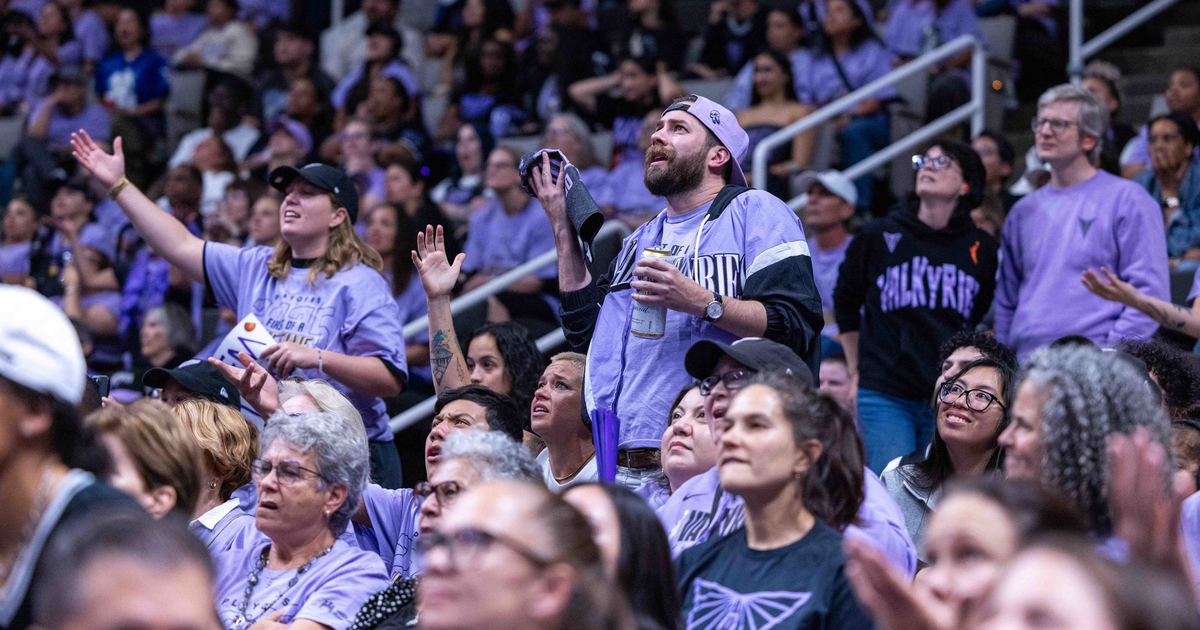
“I’m a little fearful,” Valkyries season-ticket holder Jeni Kim told The Standard. “It feels like the WNBA has been playing mean hardball and just not budging in dictating the terms.”
The WNBA released its 2026 schedule last month, with the Valkyries set to open preseason play April 25 against the Seattle Storm at Chase Center. Golden State will tip off its regular season May 8 — also against Seattle, though on the road.
3 days ago
Today

But before that can happen, a condensed offseason awaits. The WNBA needs to conduct expansion drafts for the Toronto Tempo and Portland Fire, open the free agency period (more than two-thirds of the league will be free agents), hold the college draft (set for April 13), and complete training camp, which is slated to start April 19.
The longer negotiations draw out, the more an interrupted season looms.
“As a business owner, I’m a little bit concerned that the season could be delayed or outright canceled,” said Danielle Thoe, co-owner of Rikki’s bar in the Castro.
Rikki’s opened last summer to coincide with the Valkyries’ debut season. Summer has been by far the busiest period for the sports bar, and its highest traffic came on Valkyries away game nights, when fans would line up down the block for watch parties. Though there’s only one season for comparison, Valkyries games consistently draw larger crowds at Rikki’s than Bay FC did in its second NWSL season (though it’s worth noting that Year 2 was a losing one for Bay).
“Obviously, the Valkyries games and season are a big time for us at Rikki’s,” Thoe said. “Equally, as a woman just out in the work world, generally, I want to make sure that the next W season that does happen is one where the players are paid what they’re worth. And I think especially being here in San Francisco, seeing the Valkyries sell out their arena in the exact same way that the Warriors do, it’s hard to comprehend the disparity between what the women get and that the men get.”
While the uncertainty around the season’s timeline adds stress and planning challenges for Rikki’s ownership, Thoe remains confident that women’s sports are on a strong upward trajectory both as a special, underrepresented community space and a long-term business investment. If her establishment can “weather out” the next three to four months, it will be worth it to “wait for what the players deserve.”
Kim likewise hopes patience pays off for the players, whose union is angling for increased salaries with a greater percentage of the league’s revenue-sharing model.
Today
3 days ago
Friday, Feb. 20
“I would place myself in the category of feeling like the players are the league. Without the players, there is nothing, so I’d rather wait,” Kim said. “I want to stand for values, and I want to support a league that is actually modeling investment in players and not just being all about profit.”
The negotiations have pitted the players who make up the ascendant WNBA against team owners like Joe Lacob.
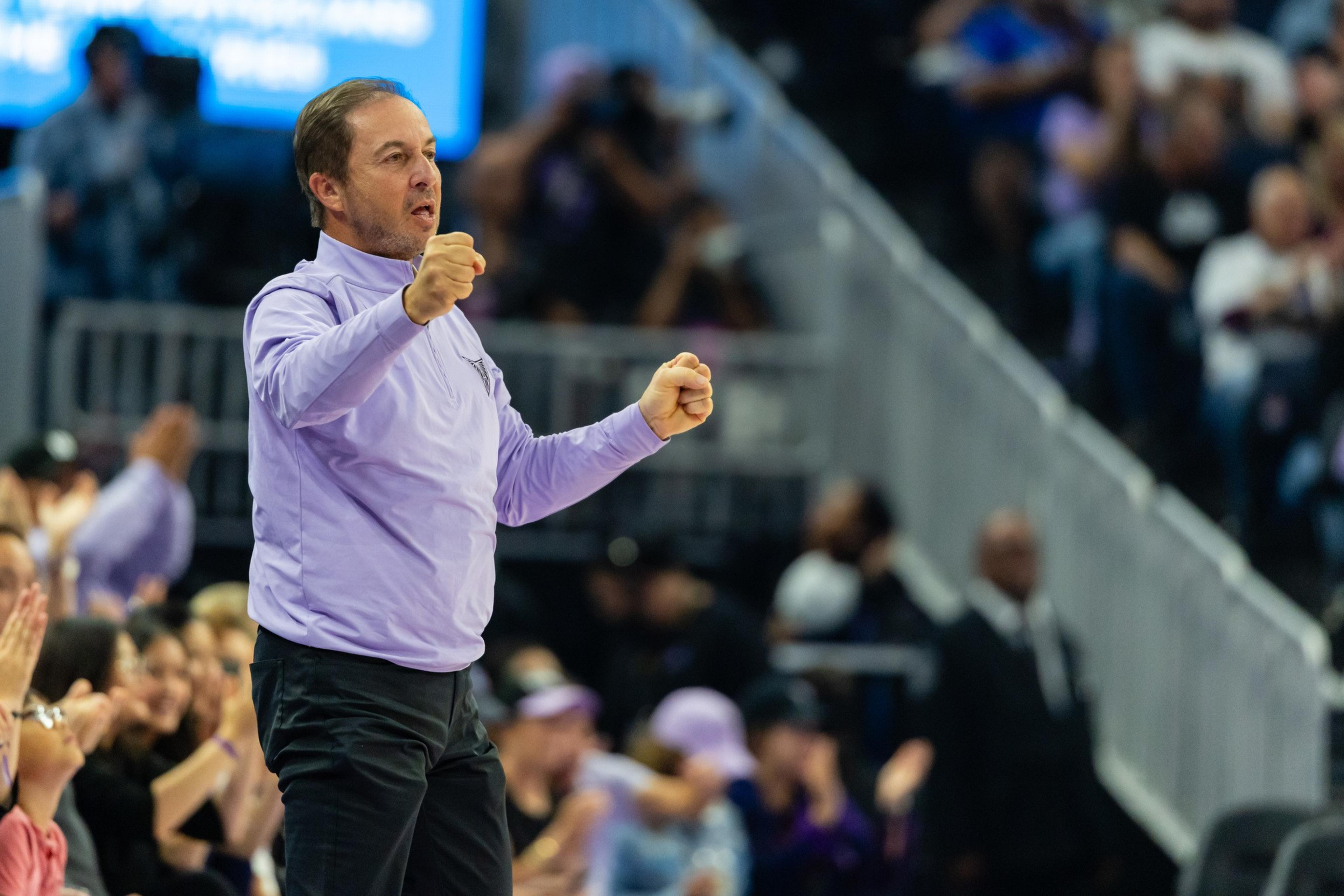 Source: Matthew Huang/Icon Sportswire via Getty Images
Amid all the drama and uncertainty, Valkyries fans who spoke with The Standard remain appreciative of their team’s ownership, and point to Lacob as part of the solution rather than the problem.
“We’re lucky in that every signal [Lacob] has given … says that he’s in it for the game and that he knows the value of the women in the league,” Kim said. She also praised New York Liberty ownership — the two make up the highest-valued WNBA franchises, according to a Sportico valuation report last summer. Lacob, she added, “understands that you need to spend the money to elevate and showcase the game.”
The Valkyries boast the most engaged fan base in the WNBA. Even before taking the court, they became the first franchise in league history to sell more than 10,000 season tickets. In their inaugural season, they sold out all 22 games at Chase Center, one of the largest arenas in the WNBA, with a capacity just over 18,000.
There is no doubt that Valkyries fans want to keep the party going at Ballhalla this summer. While the general consensus seems to be supportive of the players union, some fans can’t help but view the situation as a messy standoff between players and ownership.
“If there is [a delayed season], they both lose,” season-ticket holder Christine Dumke said. “Right now, they’re both playing a game of chicken amongst themselves. It behooves the league to give the players what they need and make it sustainable.”