
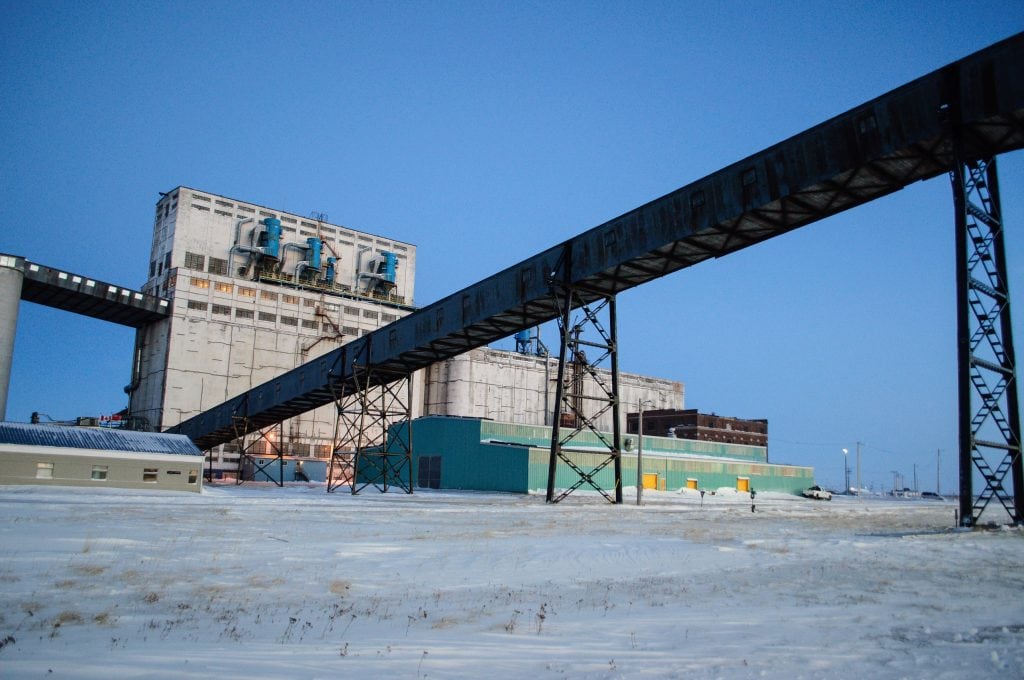
The marine town of Churchill, Man., cherished for its wildlife, landscapes and history, has recently taken on a new sense of national importance. Plans to expand Canada’s lone deepwater Arctic port on the shores of Hudson Bay have gained momentum — and investment — in the last year as the country looks north for solutions to an unprecedented conflict with its southern neighbours.
Premier Wab Kinew has pitched the Port of Churchill as an answer to Canada’s trade concerns, and a means of galvanizing both provincial and national economies. Prime Minister Mark Carney has designated a plan to upgrade the port facilities as “transformative,” committing millions in federal dollars to the project and touting its merits in meetings with European trade partners. In late January, Kinew announced the province was in talks with several companies, including at least one major energy company, about investing in port expansion.
“I think a few of those companies are starting to say that they’re very serious about making an investment in Manitoba,” Kinew said in an interview earlier this month. “That would lead to infrastructure being built to do more export on Hudson Bay, which would be huge for our provincial economy.”
The Port of Churchill Plus proposal envisions a new resource corridor capable of transporting Western Canada’s natural resources, including liquefied natural gas, oil, mineral ores, potash, fertilizer and agricultural products, to Hudson Bay, where they can be shipped to international markets.
It would likely include an upgraded northern railway, an all-season road, year-round shipping routes and a fossil fuel pipeline.
This is far from the first time the near-century-old port has garnered attention from politicians keen to see it reach its potential as an international trade hub. But where several attempts to grow the capacity of the historic grain port fizzled out, this latest proposal is gaining steam.
Federal and provincial governments have already committed more than $500 million combined for infrastructure upgrades and preliminary research. A study to gauge industry interest in the project is underway, as is a study of the operational requirements to allow for year-round traffic in Hudson Bay. Manitoba has inked a memorandum of understanding with Alberta, Saskatchewan, British Columbia and the territories to collaborate on “nation-building infrastructure” and a west-to-east economic corridor.
Past efforts to expand the port and diversify its trade potential were hampered by a lack of public and private investment. The remote location, difficult terrain and short ice-free shipping season make the port and associated Hudson Bay Railway particularly expensive.
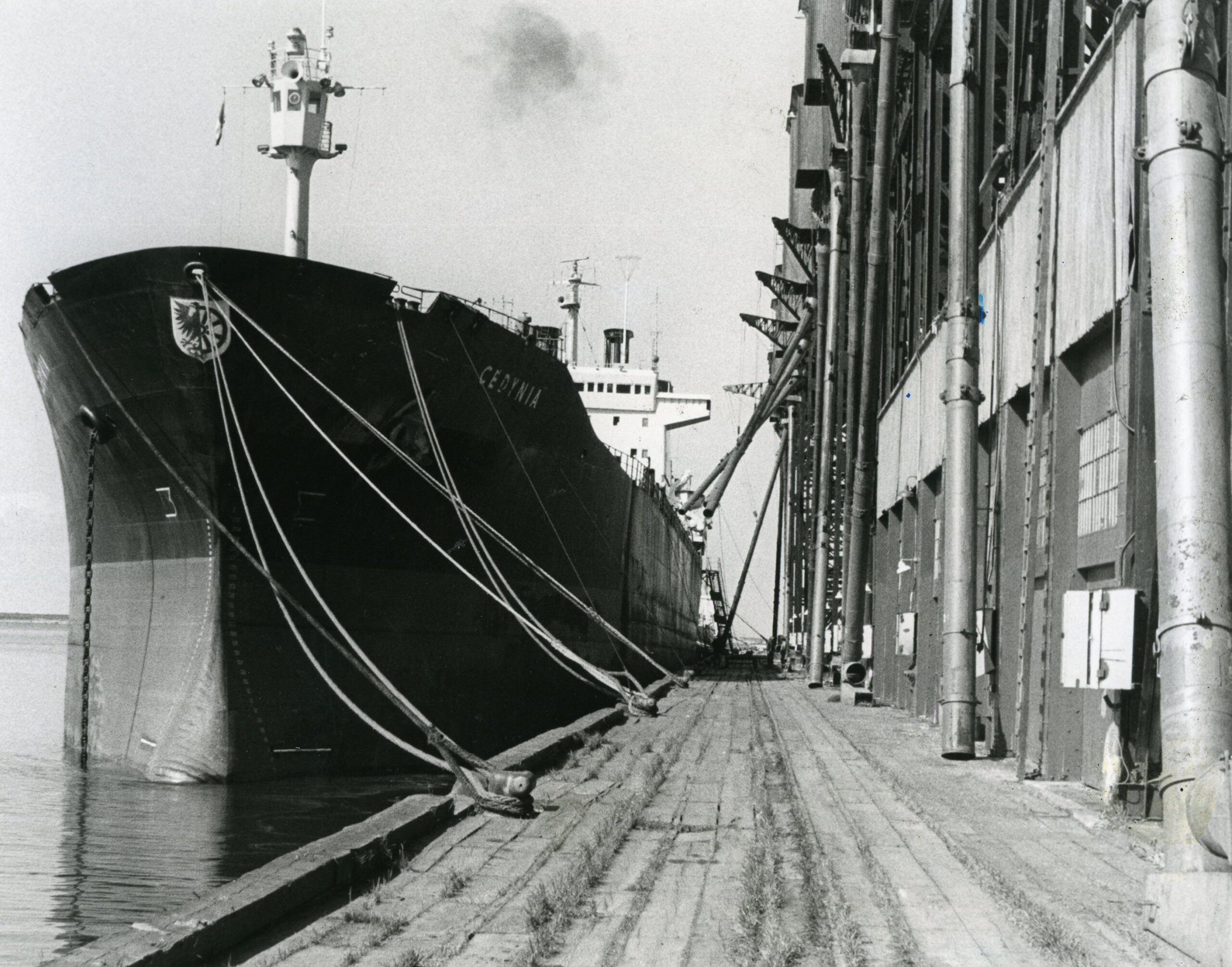 A ship prepares to be loaded with grain at the Port of Churchill in 1978. The port opened in 1931 to offer a northern grain transport route for farmers in the Prairies. Photo: Bob Lowery / Winnipeg Free Press
“It wasn’t seen as a priority,” Barry Prentice, professor of supply chain management at the University of Manitoba, says in an interview.
But threats to Canada’s Arctic sovereignty and tariffs from its largest trade partner have “stirred up the pot a bit,” he says. At the same time, new technologies and the realities of a rapidly changing northern climate have created opportunities to improve the economics of an Arctic trade route.
“The stars are kind of aligning so that Churchill again becomes a viable and maybe very attractive route,” Prentice says.
While experts are divided on whether the plans for a northern Manitoba resource corridor will come to fruition this time around, they agree the Arctic is changing — and it’s possible for Churchill to take on a more robust role in national trade.
From a ‘neglected port’ to a new vision for Churchill
When Arctic Gateway Group, a consortium of 29 First Nations, 12 local governments and corporate investors, purchased the port and the Hudson Bay Railway from its former American owners in 2018, the “neglected” infrastructure was in disrepair, president and chief executive officer Chris Avery says.
The railway washed out in 2017, cutting off communities in Manitoba and Nunavut that relied on the line for supplies and transportation. The rail line’s foundation was sinking in the muskeg, culverts were blocked, rail ties hadn’t been replaced. The port itself had rotting timber, exposed rebar and sinkholes in the wharf deck, Avery says. It had been shuttered in 2016.
Led by Churchill Mayor Mike Spence and several northern Indigenous communities, Arctic Gateway Group thought: “Enough is enough. We need to take back control of this asset that communities are dependent on, and by the way, even the country is dependent on,” Avery explains.
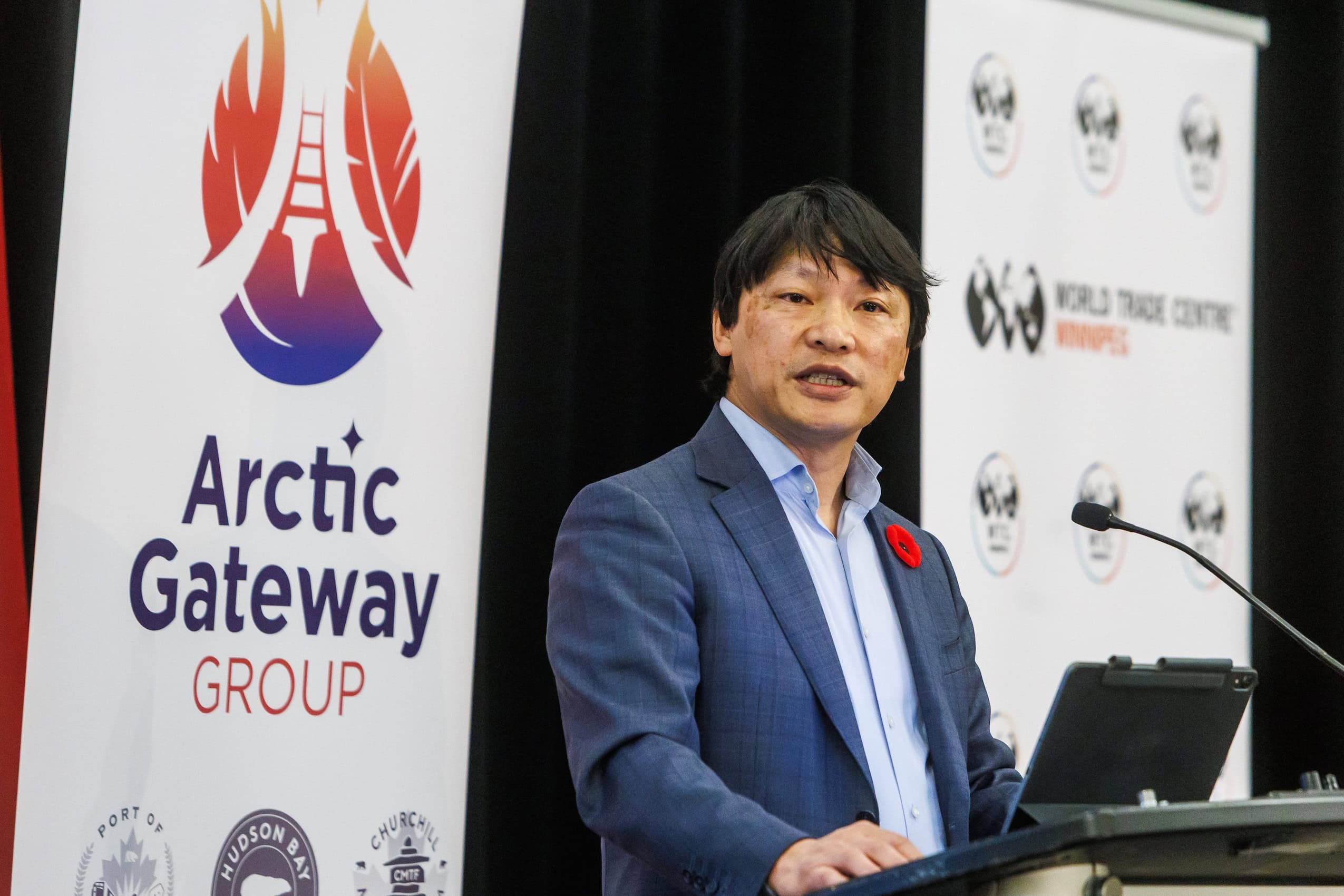 Chris Avery, chief executive officer of Arctic Gateway Group, which purchased the Port of Churchill in 2018, says the group’s goal in developing the port is to support Canada’s efforts to diversify trade, assert northern sovereignty and advance Indigenous economic reconciliation. Photo: Mike Deal / Winnipeg Free Press
The group secured government funding to repair and upgrade the existing infrastructure. Under the new ownership, port activity resumed: grain and northern supply shipments restarted in 2019 and the first critical mineral shipments in more than 20 years set sail in 2024.
Momentum for the port swelled the following year, in the wake of U.S. President Donald Trump’s threats of Canadian annexation and skyrocketing tariffs. Canadian leaders stressed a need to strengthen Arctic sovereignty and open new avenues for trade; Kinew turned to the opportunity presented by the northern port.
“The whole [situation] with Trump and the U.S. has changed a lot of our thinking about the economy,” Kinew said last spring. “We’ve got minerals, we’ve got oil and gas. We’ve got all sorts of great goods that we want to export.”
During a meeting between premiers and Carney in June to pitch nation-building projects for a first-of-its-kind Major Projects Office, Kinew said a trade corridor to Hudson Bay could include a pipeline to carry Canadian oil and gas products, hydrogen, potash or other natural resources.
And now Port of Churchill Plus has landed on the Major Projects Office’s list of transformative strategies, announced in September.
Avery says the consortium’s vision is to support Canada’s efforts to diversify trade, assert northern sovereignty and advance Indigenous economic reconciliation by becoming “a major port.”
To get there, it will need four significant pieces of infrastructure.
The existing railway needs to be upgraded to class one standards, meaning it can carry rail cars with a maximum weight of almost 130,000 kilograms. While that’s only about a seven per cent increase compared to current weight limits, “our customers tell us that seven per cent makes a big difference.”
On top of rail, Churchill will need all-season road access to allow shippers and customers easier access to the port, with the added benefit of linking several northern communities that currently rely on an increasingly unpredictable winter-road network. Churchill, 1,000 kilometres north of Winnipeg, is only accessible by rail or plane. The provincial highway network currently ends near Gillam, Man., almost 300 kilometres southwest of the port town.
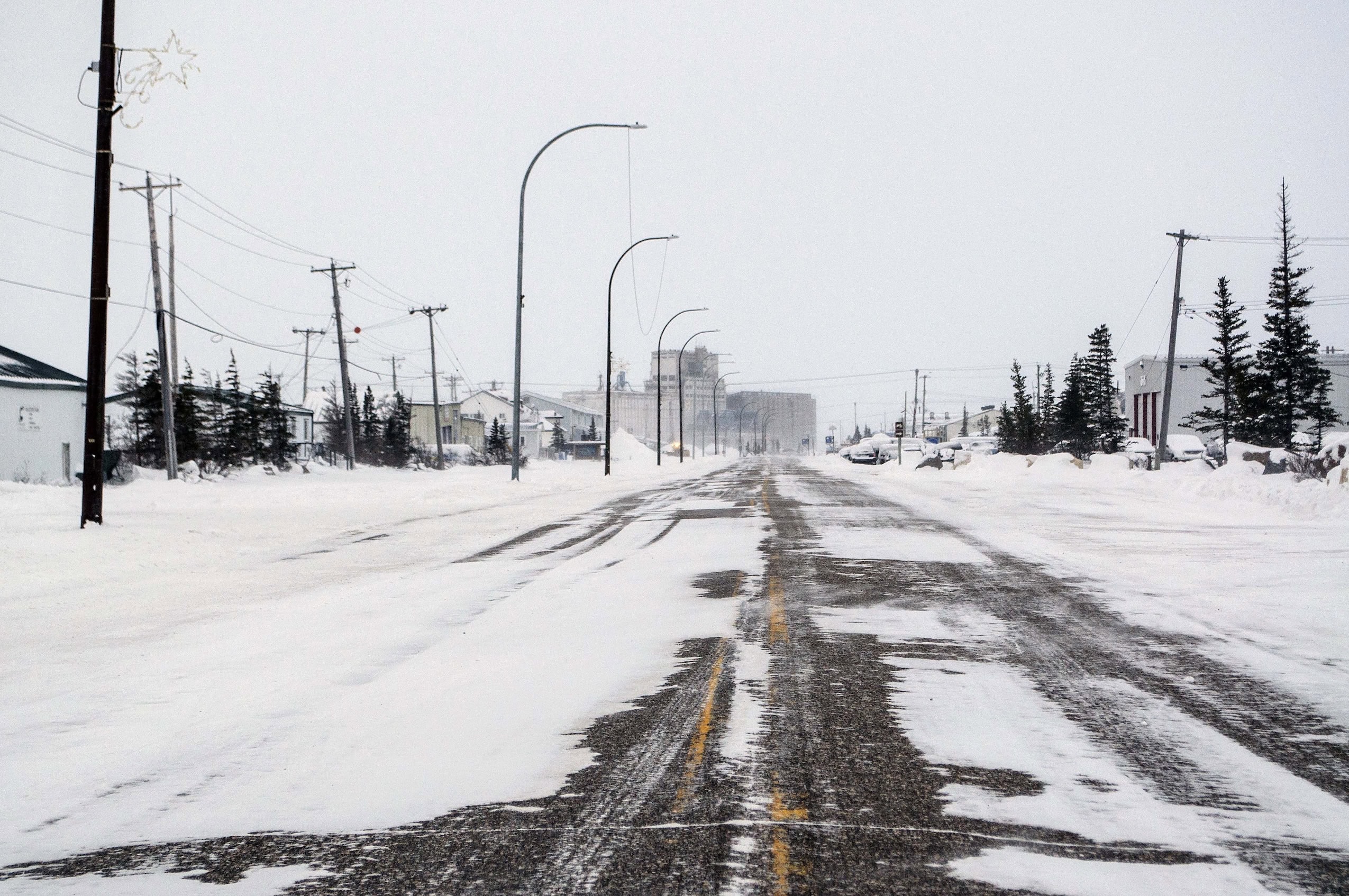 Any development of the Port of Churchill will require all-season road access, as the site and town, 1,000 kilometres north of Winnipeg, are currently only accessible via plane and rail. Many northern communities currentlyrely on unpredictable winter roads. Photo: Dylan Robertson / Winnipeg Free Press
The port itself will need to accommodate year-round shipping, Avery says. Right now, it’s operational for about four months per year when the ice cover on Hudson Bay is at a minimum. Due to climate impacts, that’s expected to change in the coming decades, but Churchill will need icebreakers in the meantime.
Finally, to capitalize on “the No. 1 Canadian export, which is energy products,” Avery says Manitoba will need a way to get those products to northern tidewater. While the company acknowledges oil and gas products can be shipped by rail (the port already transports diesel and other fuels as part of its northern re-supply shipments), he says “everything is being considered, including pipelines.”
At least two companies have proposed pipeline routes from Alberta’s oilsands to Hudson Bay.
NeeStaNan, a Manitoba and Alberta-based company with First Nations owners, has proposed a “utility corridor” to Port Nelson, Man., a site 300 kilometres southeast of Churchill, that would be capable of exporting liquefied natural gas. The company’s website says it has secured support from two Canadian natural gas producers and is exploring the feasibility of exporting liquefied natural gas (LNG) via a facility at the mouth of the Nelson River.
The other, an Alberta-based organization called Western Energy Corridor, proposes developing a link between Churchill and Western Canada that could contain “one or more combinations of a natural gas transmission system, an oil pipeline or a high-voltage electric transmission system.” The company’s website states it has mapped out a 1,560-kilometre corridor and drafted documents for initial regulatory filing.
Is a fossil fuel pipeline really feasible in the north?
Past proposals to pipe Alberta oil to Manitoba’s northern coast have failed. According to Heather Exner-Pirot, director of energy, natural resources and environment at the Macdonald-Laurier Institute, that’s at least in part because: “The economics of a seasonal port are terrible.”
“The question isn’t: ‘Has a pipeline ever been built this far north?’ ” she says. “The question is: ‘Can you put this infrastructure in a seasonal port and still get a return, still attract investment and still attract shippers — does it make economic sense?’ ”
As of right now, Exner-Pirot says, the answer is no.
What makes Churchill unique isn’t just that the port is in deep Arctic waters. Similar ports exist in Alaska, Greenland, Norway and Russia. But those are located in places with year-round access to open water, she says; Hudson Bay, by comparison, is covered in ice about seven months per year.
Typically, these part-time ports are used for what Exner-Pirot calls destination shipping. Goods are shipped in and out of a specific location like a community or a mine over the course of a much shorter shipping season.
“It’s more expensive, it’s logistically constrained and people can only sell … or receive their goods for a few months a year,” she says.
Exner-Pirot says there is “absolutely not” an economic case for building an oil or gas pipeline to Churchill, where the shipping season is about four or five months long.
“If you build an oil pipeline over 1,000 kilometres, you better be using it every day,” she says.
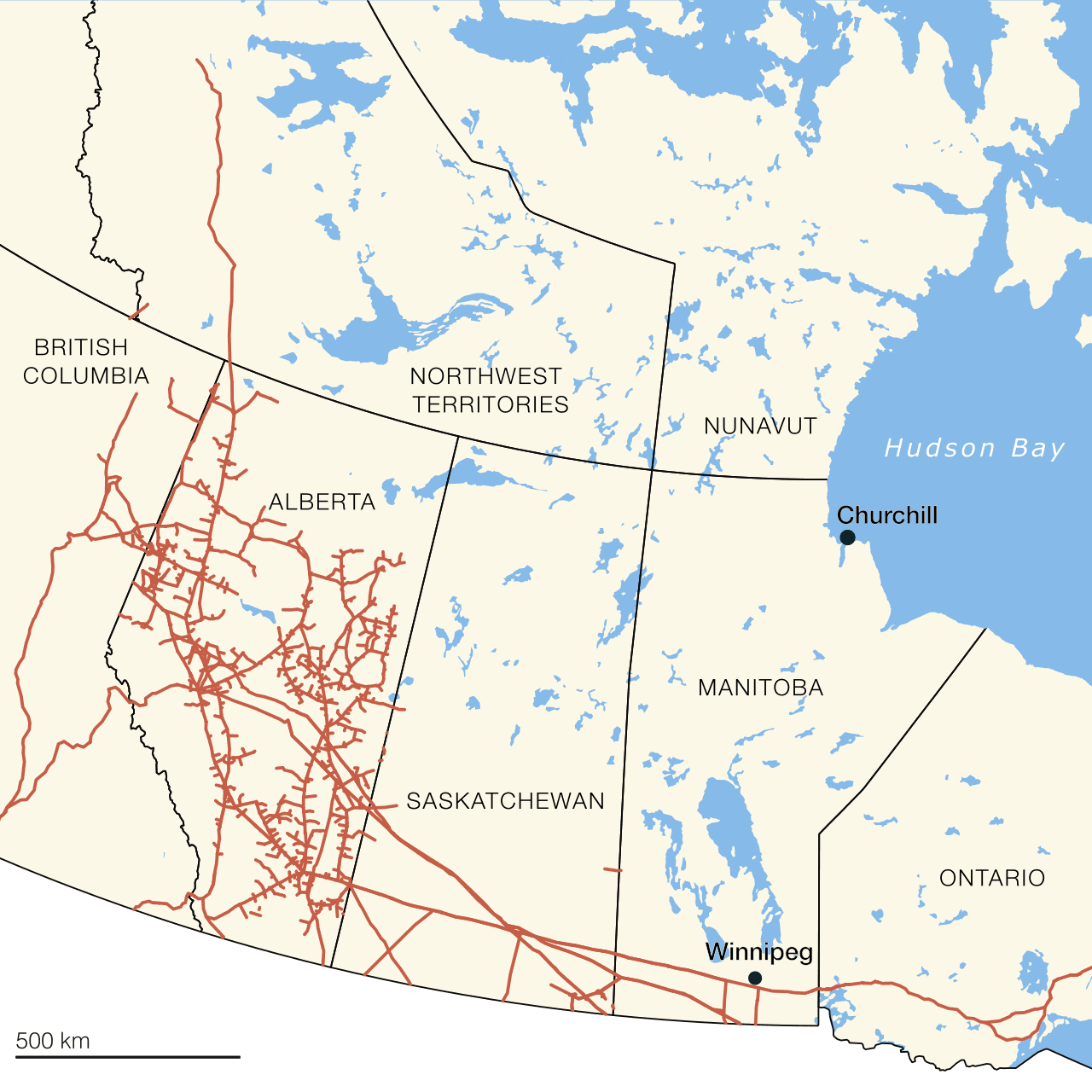 A map depicting the approximate location of all federally regulated oil and gas pipelines in Western Canada. Provincially regulated pipelines are not depicted. Source: Canada Energy Regulator. Map: Julia-Simone Rutgers / The Narwhal and Winnipeg Free Press
Pipelines take decades to build and cost billions; they also face significant regulatory hurdles and often staunch opposition from Indigenous communities, environmental advocates and residents. Liquefaction facilities for natural gas, which Kinew has floated as a possibility for Churchill, aren’t cheap either — a recently completed facility in Kitimat, B.C., cost $18 billion.
Opposition to pipeline development, alongside Impact Assessment legislation that empowers the federal government to review the environmental, social and economic impacts of major projects, has created conditions where “an interprovincial pipeline in Canada has borne an unacceptable political risk,” Exner-Pirot says.
“Pipelines are built every single day. We invest billions of dollars into pipelines every single year,” Exner-Pirot says. “It’s the … pipelines that have to cross either a provincial border or an international border that are the problem.”
Manitoba’s premier has already faced criticism for his recent support of new oil and gas infrastructure to Churchill. Former NDP vice-president Chris Wiebe told the Free Press the proposal was a reversal from the party’s “no new pipelines” stance during the election campaign, while Clayton Thomas-Müller, an author and environmentalist from Mathias Colomb Cree Nation, called the proposal “jarring and triggering” in The Globe and Mail.
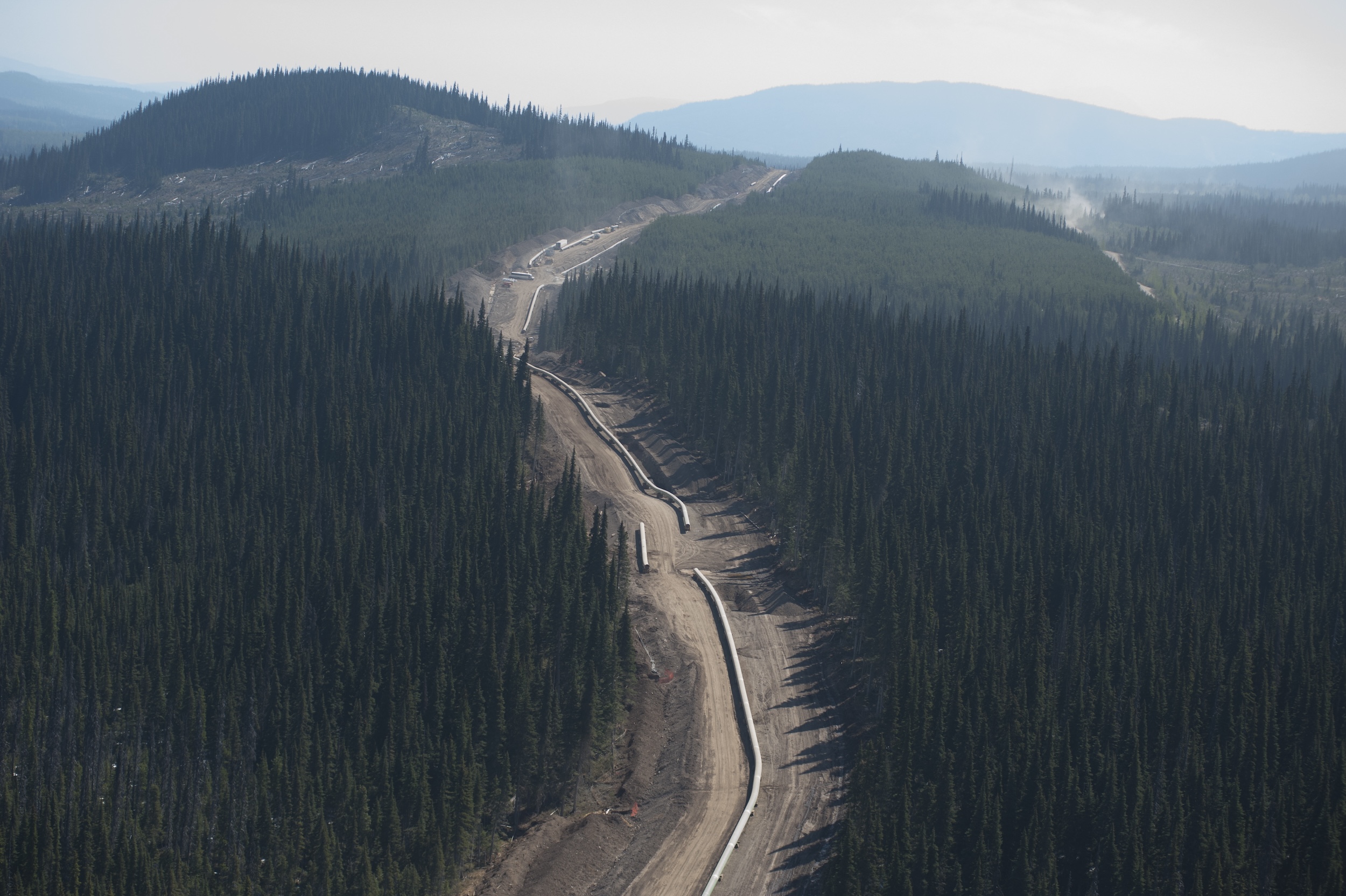 Experts say it’s not economically feasible to build an oil or gas pipeline to Churchill, Man., as the Hudson Bay port is inactive for several months of the year due to sea ice cover. Pipelines take years to build, are expensive and, like the Coastal GasLink pipeline in northern B.C. shown above, often face dedicated resistance from Indigenous communities. Photo: Matt Simmons / The Narwhal
Exner-Pirot believes funds to upgrade the Port of Churchill could be better spent on other, year-round rail and port infrastructure. The Port of Vancouver is in need of investment, she says, adding exporters in Prince Rupert, B.C., only have one class of rail line capable of carrying the heaviest loads.
“Everyone is just begging the government to fix the West Coast port issues and they’re spending half of their political attention on Churchill,” she says. “It’s very frustrating.”
Developing a resource corridor through the tundra comes with additional costly challenges. The shifting muskeg and permafrost — increasingly unpredictable due to a rapidly changing climate — makes infrastructure more expensive to maintain.
But University of Manitoba’s Prentice says these challenges aren’t insurmountable.
“They built an oil pipeline across Alaska, above ground, and it still functions,” he says. “I don’t think it’s something that the pipeline industry is incapable of doing again, it’s just a matter of the costs and whether you have an investor willing to do it.”
The Arctic is changing — so is Arctic shipping
For many, the most compelling argument for a more robust trade network through the Arctic is that climate change will open up shipping routes as sea ice melts.
Arctic Gateway Group is working with University of Manitoba researchers to better understand how the ice is changing and what impacts it will have on shipping.
“The preliminary results of their study tell us that with climate change, the sea lanes can be open for six months of the year already … without any icebreakers or new types of equipment,” Avery says. “By the end of the century, or within the lifetime of our kids, the sea lanes will be open on a year-round basis for commercial shipping.”
Feiyue Wang, director of the Churchill Marine Observatory and one of the professors involved in the research, says the ice-free period in Hudson Bay gets about one day longer every year, based on observed ice cover between 1979 and 2025. That trajectory will likely accelerate in the latter half of the century, he says.
“Even at this moment, the shipping window is already much longer than the current operational window at the Port of Churchill,” Wang says.
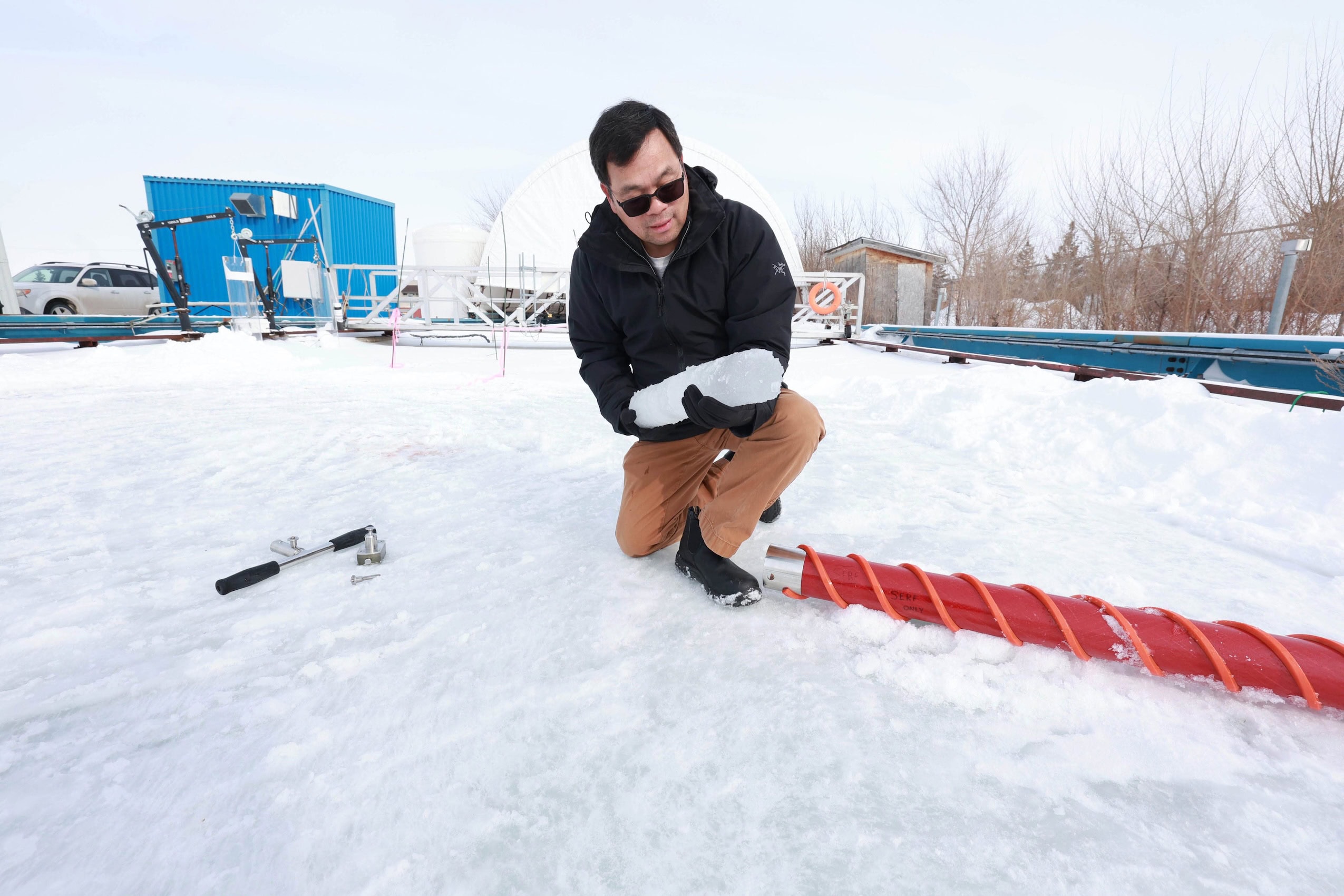
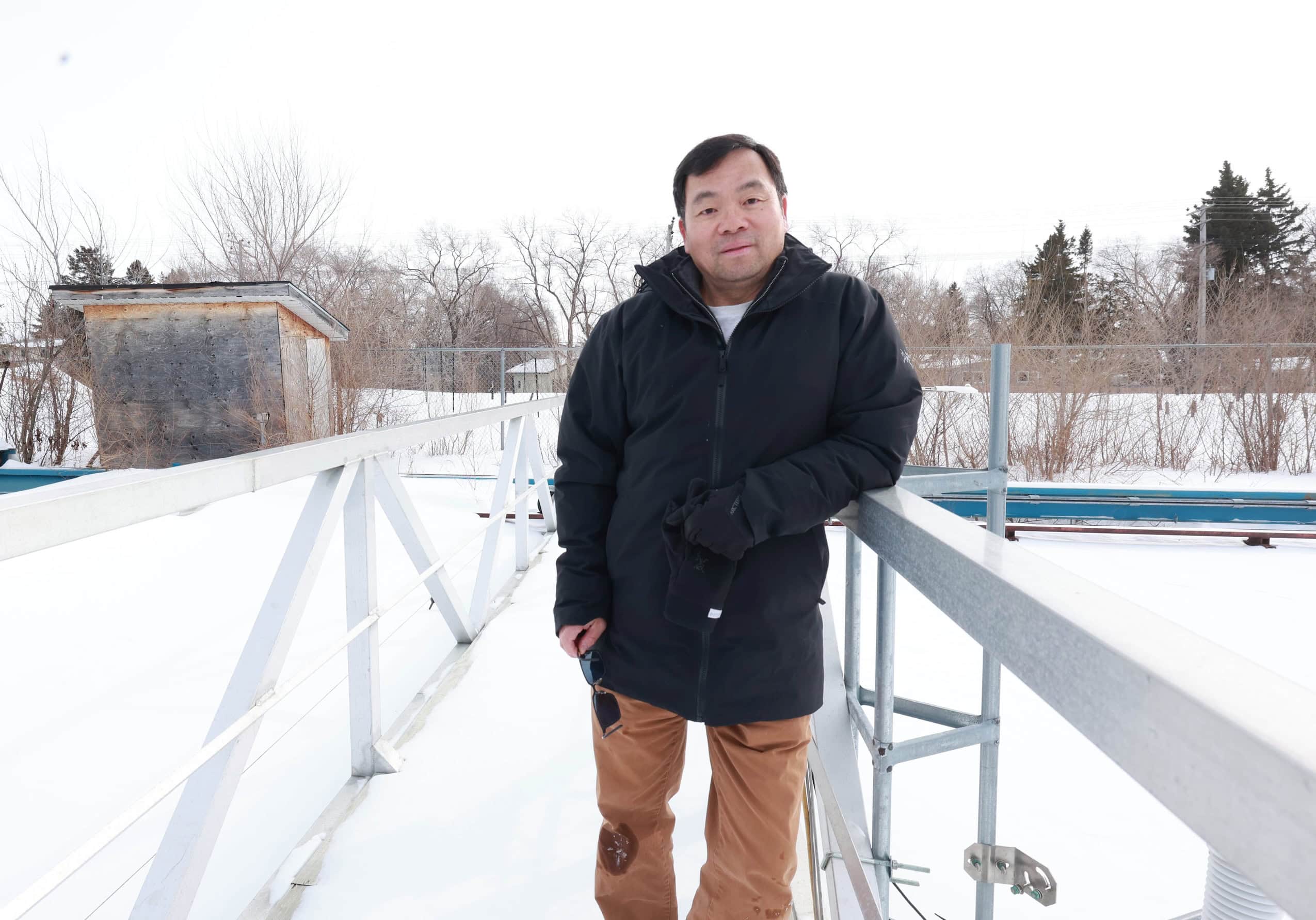
Feiyue Wang, director of the Churchill Marine Observatory and a University of Manitoba professor involved in research on the Port of Churchill expansion, says climate change is already melting sea ice and lengthening the harbour’s operational period. Photos: Ruth Bonneville / Winnipeg Free Press
Shipping is picking up, according to a report from Protection of the Arctic Marine Environment, an Arctic council working group. More ships passed through the Arctic polar code area in 2025 than in any of the last 12 years, with the number of unique ships increasing 40 per cent over that time.
While most were fishing vessels, nearly 200 boats carrying oil, oil products, gas or chemicals passed through the region last year — again 40 per cent more than in 2013.
Mining has prompted some of the shipping increase, the report notes. Bulk carriers, which carry cargo like mining ore, sailed 156 per cent more nautical miles in the Arctic last year than in 2013. Natural gas vessels were unheard of in Arctic waters in 2014, but as of 2025, there were 40 unique gas tankers in the North sailing more than 866,000 nautical miles combined.
But “just because the bay is ice-free, doesn’t mean it’s navigable,” Wang says.
Shipping routes through the Arctic require a continuous ice-free pathway. While much of Hudson Bay is covered by “first-year ice,” which forms in the winter and melts in the summer, multi-year ice in the high Arctic could float south and complicate pathways through the Northwest Passage. Ice conditions will likely be highly variable based on weather and climatic conditions, Wang says.
That means Canada will continue to need icebreakers to navigate the Arctic.
More shipping increases risk of a spill. Researchers warn it could be devastating
With more tankers carrying oil and gas through the remote and extreme Arctic waters, the risk of an oil spill becomes harder to ignore.
While part of Wang’s research has focused on understanding the changes to the shipping season as a result of climate change, he’s particularly passionate about another aspect of the marine observatory’s work: “How would you actually develop that shipping in a way that is not only economically viable, but environmentally sustainable and culturally appropriate?”
In the case of small leaks in warmer climes, the ocean is full of microorganisms that can quickly absorb oil and clean up a spill.
“What really concerns us is if you have a moderate, or even worse, a major oil spill … how can we actually clean that up?” Wang says.
Typically, spills are recovered either by burning oil off the water, which gets rid of the majority of a spill but produces a potentially toxic smoke, or by dispersing the oil into the smallest droplets possible, which allows the contaminants to quickly flow into the “much larger volume of the ocean” and be absorbed and diluted by natural processes.
But those methods are designed for warmer oceans. “We know very little about how those will work out in a system like Hudson Bay,” Wang says.
The remote and dangerous nature of the Arctic, with its poor visibility, long hours of darkness and a maze of sea ice to navigate would likely mean a longer wait for cleanup to begin. Freezing temperatures slow the work of the ocean’s natural oil scrubbers, meaning spills would take longer to decompose. More concerning: existing cleanup plans assume an ice-free surface. If oil becomes trapped under the ice, it may be impossible to find and remove.
“If you have an oil spill, the best time window to respond is right away,” Wang says.
The longer oil is left to spread with the fast-moving currents, “more profound damage to the marine ecosystem” may occur.
In the case of a large spill, impacts on local ecosystems and communities could be devastating. Vegetation and animal life could be contaminated, damaging Indigenous food sources. Local fisheries and tourism industries would likely be affected too, with far-reaching economic consequences. Communities exposed to contaminants may also face human health risks.
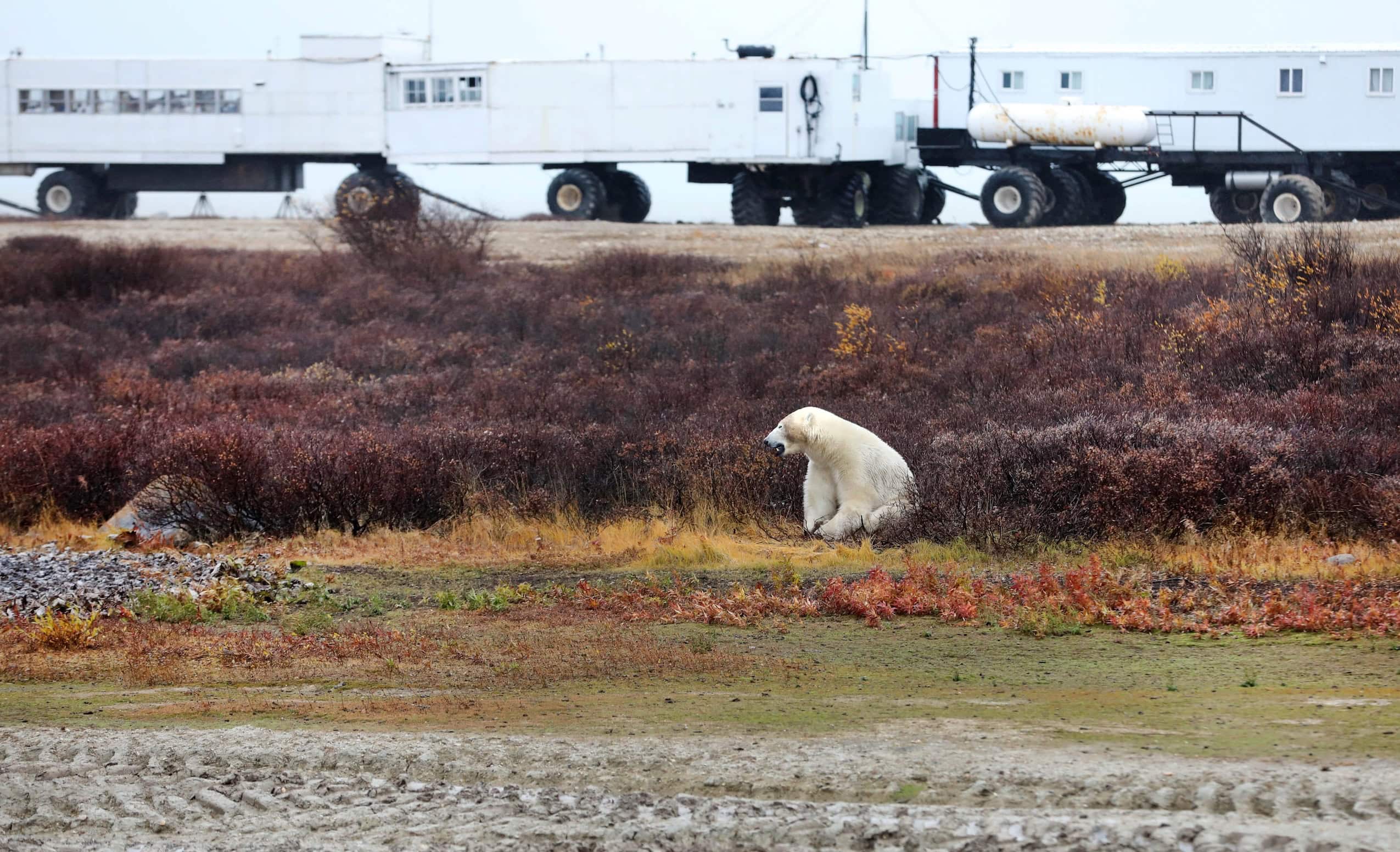
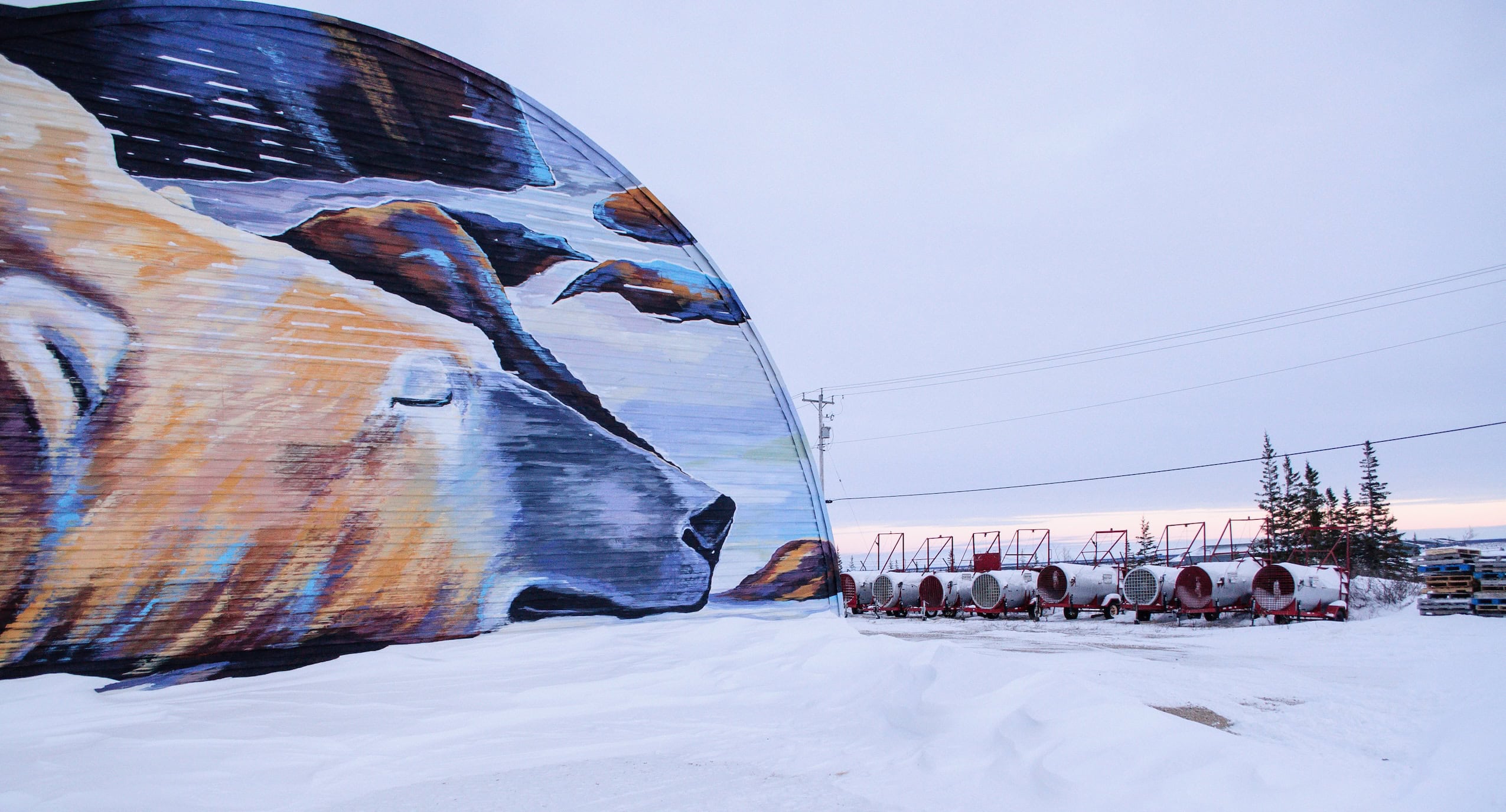
Major oil spills pose risks to local ecosystems and communities, including to animals in the affected area. Polar bears are a staple figure in Manitoba’s north and could be impacted if an oil spill were to occur in Hudson Bay and at the Port of Churchill. Photos: Ruth Bonneville (left); Dylan Robertson (right) / Winnipeg Free Press
“I’m obviously in favour of fossil fuel development, but I’m not in favour of doing it in the most expensive, most dangerous way possible,” Exner-Pirot, at the Macdonald-Laurier Institute, says.
But from Wang’s perspective: “Just because there’s a risk of an oil spill does not mean we should not have increased shipping, right? Just because there’s always the risk of a car crashing does not mean that we should not drive on the highway.”
Wang believes the technology and tools to respond to an ecological emergency can — and will — be developed. Crucially, he says, they will need to be developed in partnership with Indigenous communities who have extensive Traditional Knowledge of the marine environment.
Ideally, he says, governments will invest in not only the technology to detect and respond to spills in the Arctic, but also in training local communities to lead response efforts.
‘Generational opportunities’ in Churchill: Arctic Gateway Group
Wang has worked closely with Indigenous communities around Churchill and in the Kivalliq region of Nunavut for over a decade. Overwhelmingly, he says, these communities want to see developments that improve career opportunities, living conditions and access to health and education — but only if those developments put the community’s interests front and centre.
“That’s where this environmental piece, to me, is the most important one,” Wang says. “Everyone is talking about this Port of Churchill Plus project as a potential nation-building project, but if the environmental aspect and the Indigenous aspect … are not addressed properly, I don’t think this project is going to go anywhere.”
Manitoba’s leaders are taking a similar approach. In December, Kinew announced the Port of Churchill Plus project will be led by a new Crown-Indigenous Corporation, a first-of-its-kind leadership structure that will bring government representatives and Indigenous leaders together to guide development. The corporation is expected to be formally established in March.
During a recent visit to Churchill to meet with community members and stakeholders to discuss the future of the port, Kinew joined federal representatives to announce $250,000 to study the feasibility of a marine conservation area in Hudson Bay.
“When we’re talking about pursuing export and import along Hudson Bay, we can’t do that without thinking about the environment,” Kinew said during the announcement.
“Instead of just trying to build up some massive export terminal and then wait … to highlight the downsides years in the future, we’re saying let’s have that conversation now.”
In a subsequent interview, Kinew said Churchill residents expressed both excitement about the port’s potential and some concern about the environmental impacts. The resource corridor he envisions could include a pipeline, a transmission line, an all-weather road and an LNG terminal, but he cautions “that’s just one potential avenue.”
“Likely, to make a big project work in Hudson Bay, it’s going to be a mix of products. You probably have critical minerals, agricultural products, manufactured goods, northern re-supply for Nunavut all working together there,” he said.
At Arctic Gateway Group, Avery says the company is already in talks with companies that produce many of these commodities, including critical minerals like nickel and copper, potash and silica sand and agricultural products. The communities that own the port and rail “want to see a balance,” he says.
“They want to make sure that where they live is protected, but they also want to see generational opportunities for themselves, their kids and their grandkids.”
Julia-Simone Rutgers is a reporter covering environmental issues in Manitoba. Her position is part of a partnership between The Narwhal and the Winnipeg Free Press.