Skywatchers across Saskatchewan will have a short window this week to catch a rare-looking planetary alignment, with multiple planets appearing along the same path in the evening sky shortly after sunset.
According to astronomer Abigail Sadowski with the Royal Astronomical Society, the planets technically follow the same path in the sky, known as the ecliptic plane, and are always aligned in that sense. However, this week they will be positioned in a way that makes several of them visible at the same time.
Mercury, Venus, Jupiter, Saturn, Uranus and Neptune are all expected to appear shortly after sunset on the 28th. While the lineup may sound dramatic, Sadowski says viewing all of the planets will require some equipment.
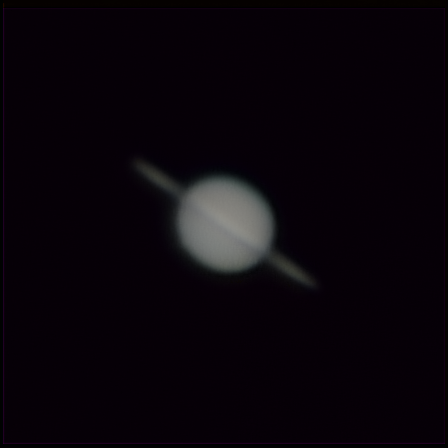
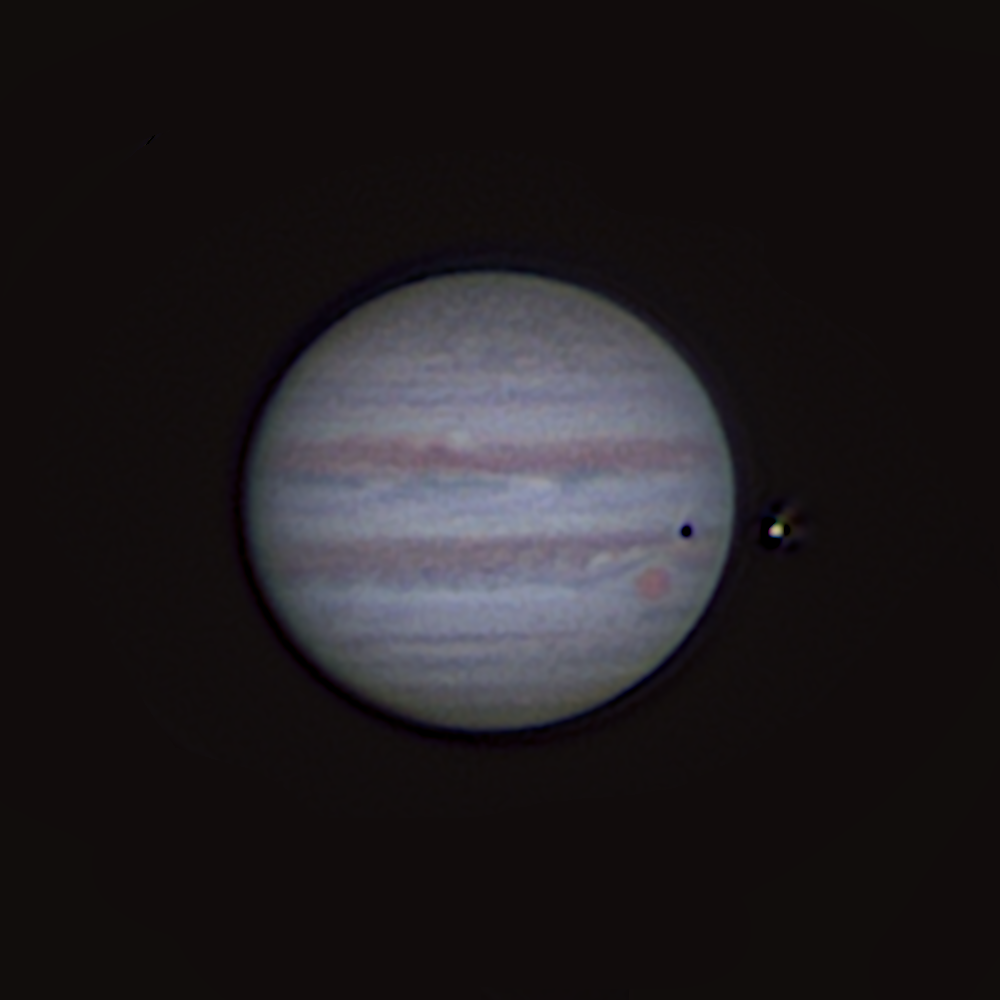
Neptune is very dim and far away and will require a telescope to see. Uranus can likely be seen with binoculars. Saturn and Jupiter will be visible to the naked eye, with Jupiter appearing close to the moon, making it easier to spot. Venus and Mercury will be low on the horizon near the setting sun and may also require binoculars to see clearly.
To catch up with the lineup, viewers will need an unobstructed view of the western horizon, as Mercury and Venus will be low and easily blocked by trees or buildings. The viewing window will be brief, beginning shortly after sunset in Saskatchewan, she says, “The best viewing time is expected to be between approximately 7:10 p.m. to 7:45 p.m., before the planets drop too low in the sky to see.”
Sadowski notes that while these alignments are not exceptionally rare and tend to happen every couple of years, the event is still worth watching.
“It’s pretty neat being able to see most of the planets,” she said, adding that with binoculars, viewers can see most of the planets in the lineup.
For those having trouble finding the planets, Sadowski recommends using Stellarium, a free website and app that shows where planets appear in the sky in relation to other objects. The planets will appear between the moon and the western horizon.
She adds that events like this can spark interest in astronomy and encourage people to look up and explore the night sky.