
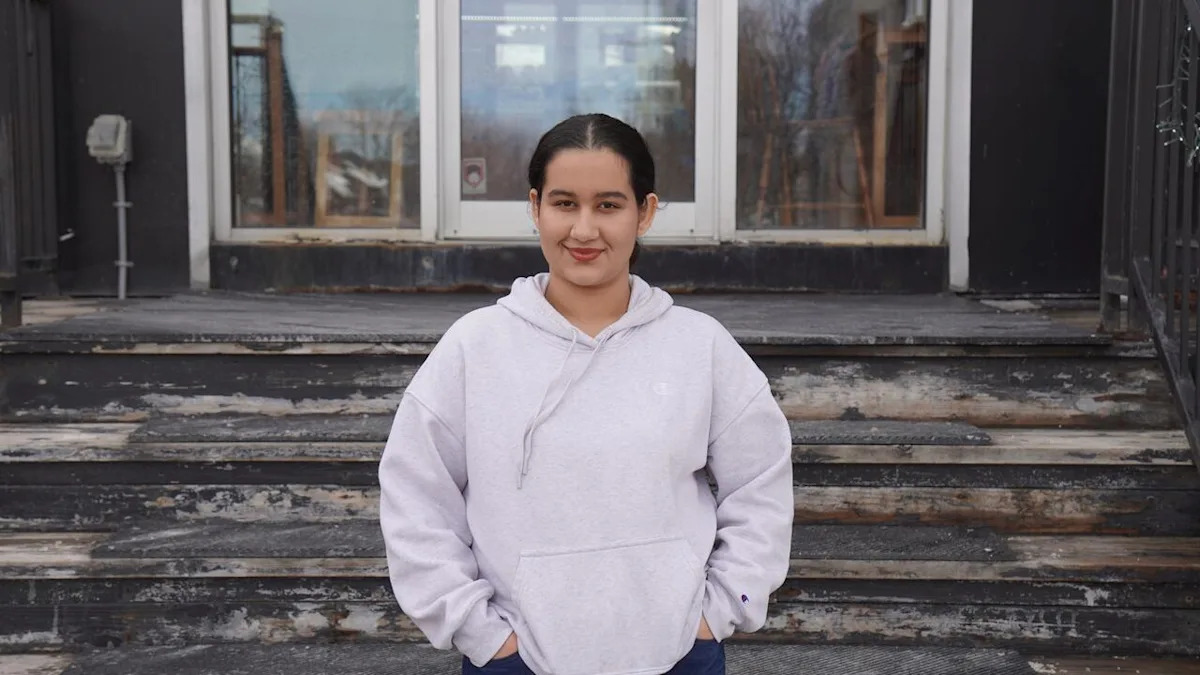
Shirin Mortazavi’s family opened Lavender Pastry in Westboro just over a year ago — one year after they left Iran due to repression and economic hardships.
So when she saw the reports of U.S. and Israeli airstrikes in Iran early Saturday, she was cautiously optimistic.
“Finally something is happening,” said Mortazavi. “They’re going to get freed.”
Some members of Ottawa’s Iranian community agree, welcoming the attacks as a possible turning point. Others fear they could deepen civilian suffering.
Mortazavi said she hopes the airstrikes will result in an end to decades of authoritarian rule.
“Our people tried all the possible peaceful ways to show their protest,” she said. “When you go into the street and they start killing you because you are looking for your rights … you need someone outside the country to help you.”
Iran has been in a state of unrest for about two months, with thousands taking to the streets across the country in protest of the government and failing economy.
Reaction from the Iranian government has in some cases been violent and strategic, including a more than two-week long internet blackout.
“The main goal that the Iranians have is to just destroy this government from the roots,” said Mortazavi.
“It’s not only just the help,” she said, referring to the airstrikes, “but it’s the end of this part of the history.”
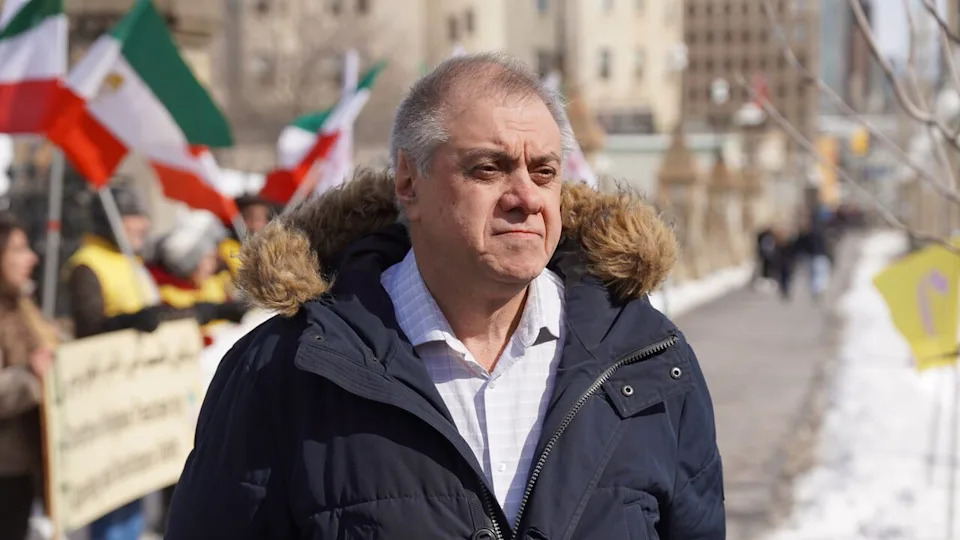
Shahram Golestaneh, director of the Iran Democratic Association in Canada, organized a small rally near Parliament Hill on Saturday. He says the airstrikes were not ‘unexpected.’ (Cameron Mahler/CBC)
‘Change can only come from within’
Other members of Ottawa’s Iranian community say the strikes are overdue, making the point that any long-term political changes must come from Iranians themselves.
“This was not unexpected,” said Shahram Golestaneh, director of the Iran Democratic Association in Canada.
Golestaneh, who gathered a group of Iranian Canadians near Parliament Hill Saturday morning, said recent protests in Iran have shown the people’s desire for change.
But he said he’s also concerned about the intentions behind the military action, and worried about civilian casualties.
“I at least hadn’t heard that directly from the U.S. or from anyone else, that the human rights of the Iranian people was in the forefront,” he said.
“That’s a sad thing.”
Golestaneh said he’s been unable to reach family members in Iran since the strikes, and worries internet shutdowns may be preventing contact.
Military force from another country can’t determine Iran’s future, he added.
“The change can come only from within.”
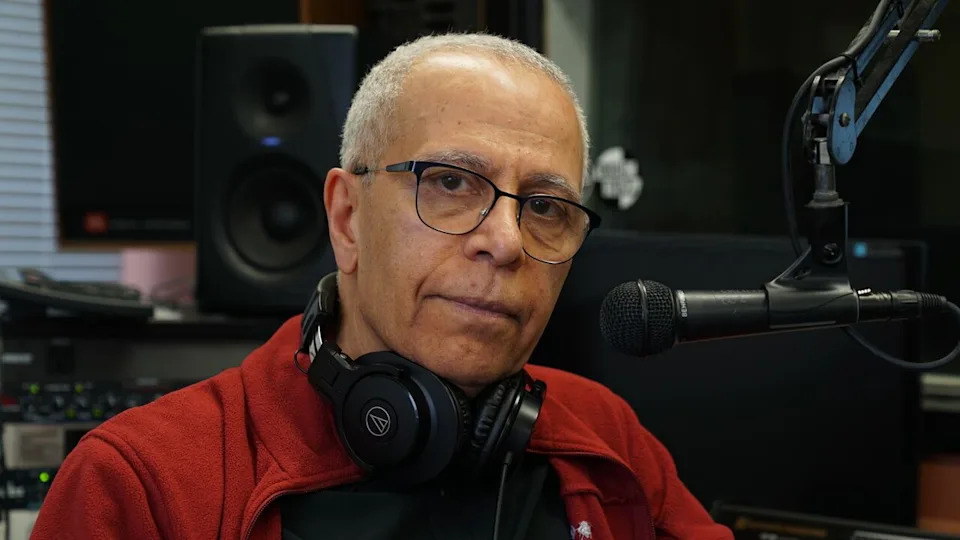
Mehdi Fallahi, host of Ottawa Persian Radio on Carleton University’s CKCU radio station, says he’s not in favour of war and was ‘devastated’ to hear news of the strikes. (Matthew Kupfer/CBC)
‘I don’t see war as a solution’
Not all Iranian Canadians in Ottawa support the military action.
Mehdi Fallahi, host of Ottawa Persian Radio on CKCU, said he woke up “very devastated” by the news.
“I’m not in favour of war and I don’t see war as a solution for peace,” he said. “I know that innocent people will die and precious infrastructure will be damaged.”
Fallahi said he’d been in touch with family members in Iran, but his messages later went unread. He too suspects communication networks have been cut.
“Who knows how long this may take? Chances are that this may take weeks, if not months and years,” he said. “The longer that it takes, the more trouble will be on the shoulder of regular people, ordinary people.”
U.S. President Donald Trump has described the airstrikes as a massive and ongoing operation to wipe out the country’s military and overthrow its government.
Prime Minister Mark Carney said he supports U.S. efforts to stop Iran’s nuclear program and urged Canadians in Iran to shelter in place.