
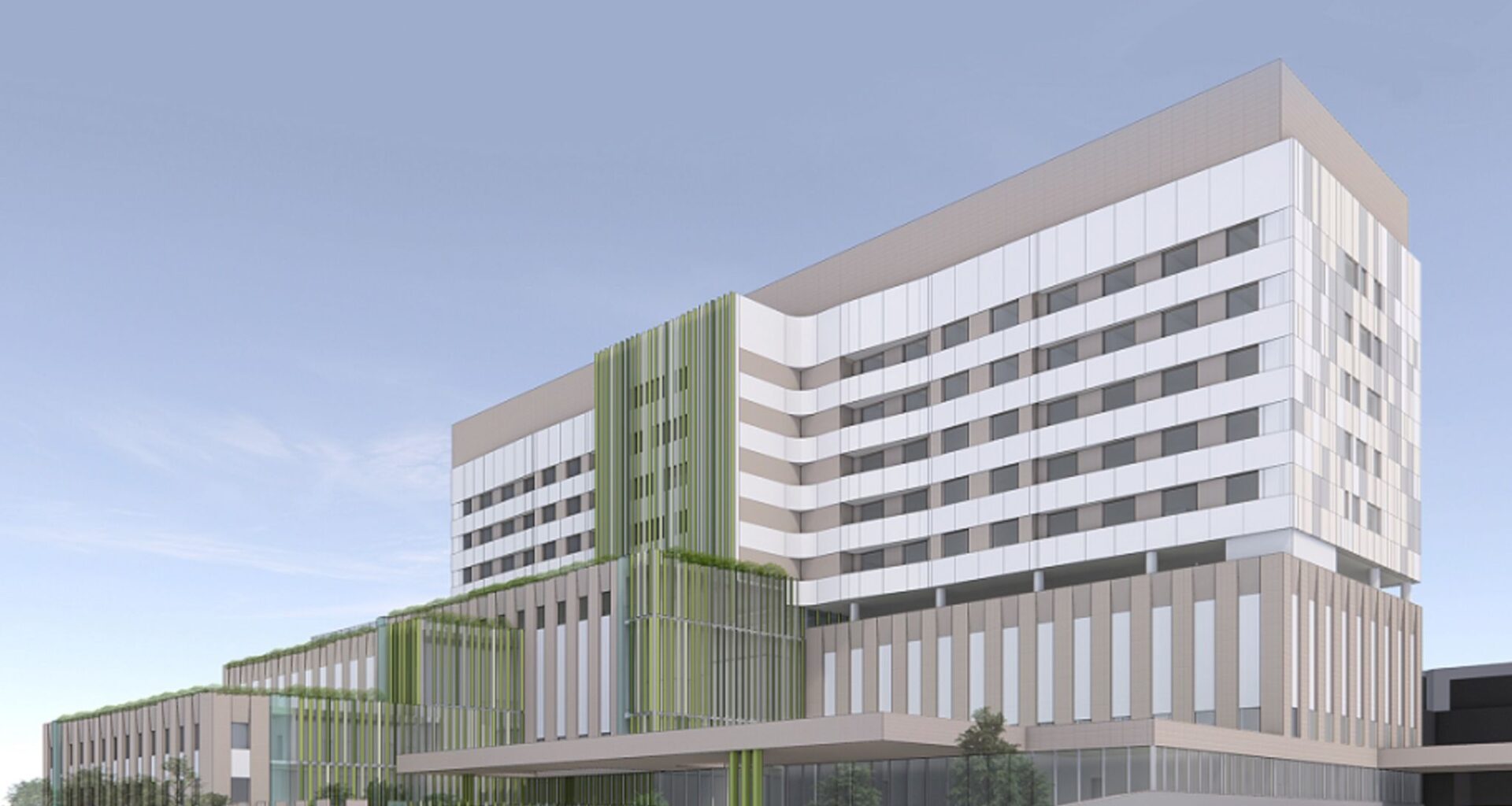
Burnaby Mayor Mike Hurley is raising serious concerns about delays to the second phase of the Burnaby Hospital redevelopment, warning residents that the BC NDP-led provincial government’s latest budget has left the city facing mounting uncertainty over critical healthcare expansion plans.
In an open letter to residents today, Hurley highlighted that the second phase of the Burnaby Hospital and Cancer Care project has been delayed under the 2026 B.C. budget, with no clear timeline for when construction will begin.
“For Burnaby, this delay is deeply frustrating,” wrote Hurley, noting residents were promised that the second phase would begin immediately after completion of Phase 1. Instead, the community has been left with replacement work completed in the first phase, but without certainty about when long-promised expansions will materialize.
The first phase of the hospital’s redevelopment will reach completion later this year at a cost of about $700 million, which is largely financed by the provincial government’s internal sources/borrowing.
In the previous B.C. budget in 2025, it was noted that the second phase of the Burnaby Hospital redevelopment and the construction of a new BC Cancer Centre — complete with a new 160-bed inpatient tower, plus an oncology ambulatory care unit and chemotherapy and radiation therapy facilities — carried an estimated cost of $1.8 billion, with $1.771 billion also covered by internal sources/borrowing. Construction was supposed to have begun in late 2025 for a completion in 2030.
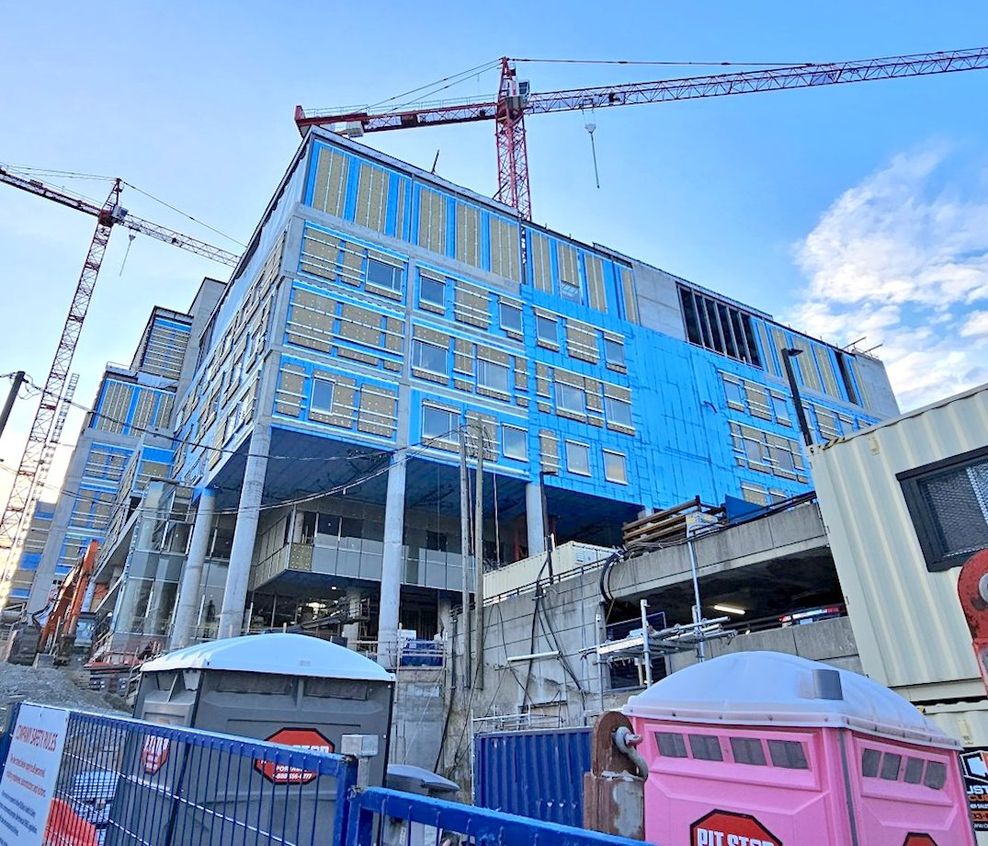
Construction progress on the first phase (Keith & Betty Beedie Pavilion) of the Burnaby Hospital redevelopment, as of April 1, 2024. (Kenneth Chan/Daily Hive)
The mayor emphasized the aging, small hospital serves not only Burnaby — the third-largest city in B.C. in terms of population — but also approximately 80,000 residents in East Vancouver who rely on its services.
Burnaby’s only hospital is located near its easternmost border with Vancouver, and serves the high-growth areas of Brentwood Town Centre and Metrotown.
Hurley acknowledged broader economic pressures outlined in the provincial government’s 2026 budget, which projects a $13.3 billion annual deficit. Still, he said the delay represents a broken commitment to Burnaby residents.
“We certainly understand that provincial revenues are not as projected and that financial pressures exist — everyone feels them — but this was a strong promise that has not been kept,” wrote Hurley.
The mayor also pointed to the impact on donors who contributed to the project in good faith, saying the pause erodes confidence in a redevelopment effort that had gained “real momentum.”
Adding to the frustration, Hurley said there was no advance notice from the provincial government that the project for Fraser Health Authority might be delayed.
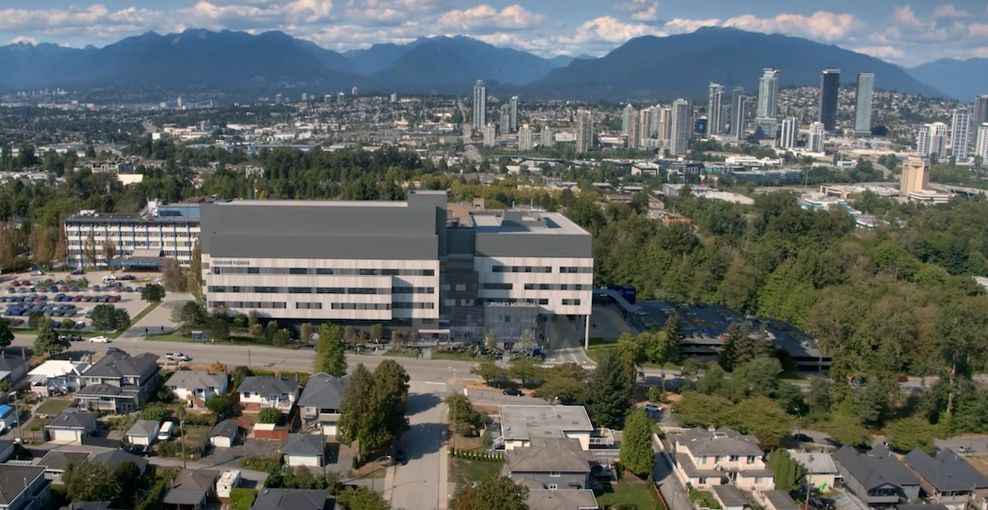
Artistic rendering of the 2022 revised design of the first phase (Keith & Betty Beedie Pavilion) of the Burnaby Hospital redevelopment. (Burnaby Hospital Foundation/Fraser Health Authority)
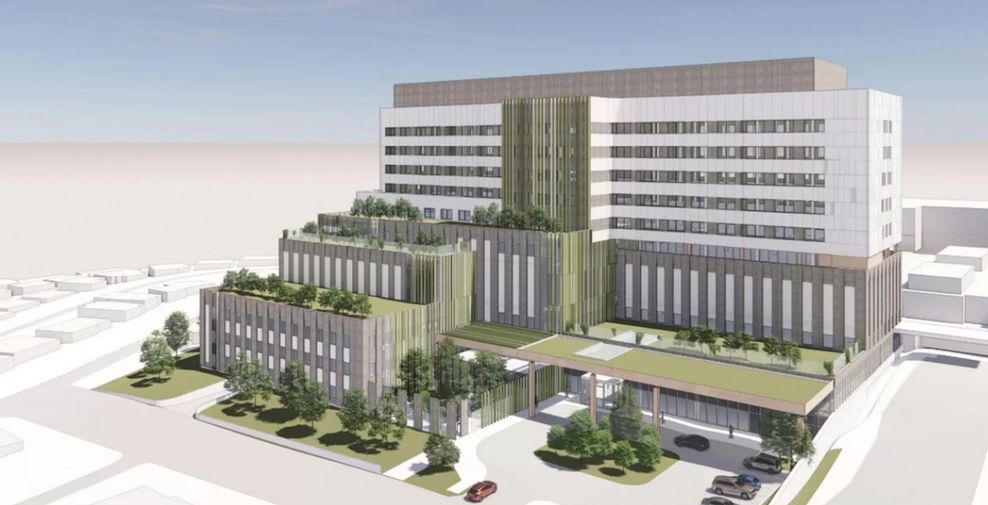
2023 artistic rendering of the second phase (including the BC Cancer Centre) of the Burnaby Hospital redevelopment. (Burnaby Hospital Foundation/Fraser Health Authority)
In response to the budget announcement, the municipal government called an emergency meeting with local MLAs last week to seek clarity on the project’s future. Hurley said Burnaby officials are now working to secure meetings with relevant provincial ministers to clarify plans and push for renewed commitment.
The pause on the second phase of the Burnaby Hospital redevelopment is the largest and most expensive capital project to be put on hold under the provincial government’s new pivot to pace its capital program, spreading out the costs of building new housing, facilities, and infrastructure over a longer period to reduce the staggering growth in taxpayer-supported debt. Even with this slower approach, total provincial debt is currently forecast to approach a quarter trillion dollars before the end of this decade — fuelled by both capital projects that are going ahead as planned and significant annual operating deficits.
Other projects impacted by this strategy to delay include a number of long-term care projects and reallocating about $1.4 billion that was previously set aside to support affordable housing projects, including projects across B.C. that are under the provincial government’s Community Housing Fund.
“Provincial support is especially critical and without it the actual construction of below market rental units and other affordable homes at scale is virtually impossible. Budget 2026 significantly reshapes that landscape. The Province has reallocated nearly $1.4 billion in housing investments across its fiscal plan and suspended the Community Housing Fund, the primary funding program that municipalities and non profits have relied on to build affordable rental housing,” wrote the Mayor.
“That fund helped deliver thousands of homes across the province, and while projects with existing funding commitments can continue, its pause leaves many projects in limbo and urgently needed new construction without a funding source.”
The provincial government’s new budget also carries hints of budget and timeline changes for building the new replacement George Massey Tunnel. It is supposed to begin construction in 2026.
While the redevelopment of Burnaby Hospital is the most immediate concern, Hurley’s letter frames the delay within a broader critique of provincial-municipal funding relationships.
Municipal governments receive only about nine per cent of total taxes collected in their communities but face increasing responsibilities set by the provincial government, he wrote. Unlike the federal and provincial governments, municipalities are legally prohibited from running operating deficits.
That constraint leaves the City of Burnaby with limited options: raising property taxes and user fees, cutting services, and/or delaying infrastructure projects.
Hurley’s letter highlights growing tensions between municipal and provincial governments as cities grapple with infrastructure, housing, public safety, and childcare pressures under tightened provincial finances.
Burnaby’s municipal government has been among the most critical of the provincial government’s housing-related legislation, which increases population through mandated additional density allowances. Over the years, the City has expressed concern over these measures for several reasons, including the lack of accompanying financial support and resources needed to build expanded community amenities, facilities, and other infrastructure to support growth.
“We remain committed to working with our provincial partners through challenging times,” wrote Hurley.
“But Burnaby cannot meet growing expectations and the full needs of our growing community without stronger, sustained, and collaborative support from all orders of government.”