

Listen to this article
Estimated 3 minutes
The audio version of this article is generated by AI-based technology. Mispronunciations can occur. We are working with our partners to continually review and improve the results.
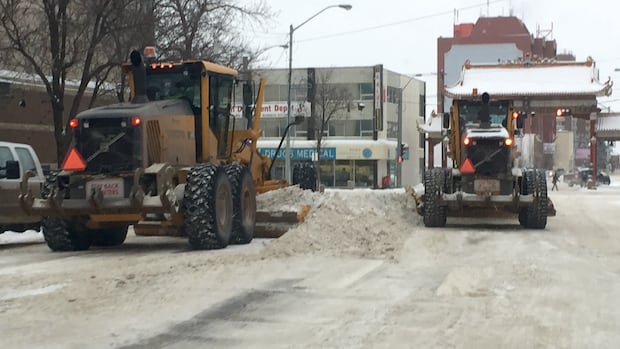
Fines weren’t enough to keep cars off streets during a residential parking ban, forcing the City of Edmonton to put a temporary pause on seven non-parking ban related bylaw complaints.
The city reallocated three bylaw officers and hired six additional officers, at an added cost, to ticket residents who didn’t move their cars. Mayor Andrew Knack called this “necessary.”
“There were a lot of calls that were coming in and if we’re not seeing walkways clear, if we’re not seeing different issues being addressed, then that creates accessibility and safety issues in our city,” he told CBC News on Friday.
Only 10 per cent of Edmontonians adhered to the most recent parking ban. To address non-compliance, Knack said the city needs to ensure there are appropriate consequences, like towing.
“Those vehicles aren’t being moved. … That impacts the quality of the work that gets done, that impacts the timeliness of that work,” said Knack.
City council must consider more aggressive penalties for non-compliance as well as increasing enforcement for a period in order to show Edmontonians this is “serious business,” said Ward Dene Coun. Aaron Paquette.
“The fact is we’ve traditionally relied on sort of that social compact where you do what is needed to help your neighbors out, but that seems to be disappearing and it could be because there are limited consequences,” he said.
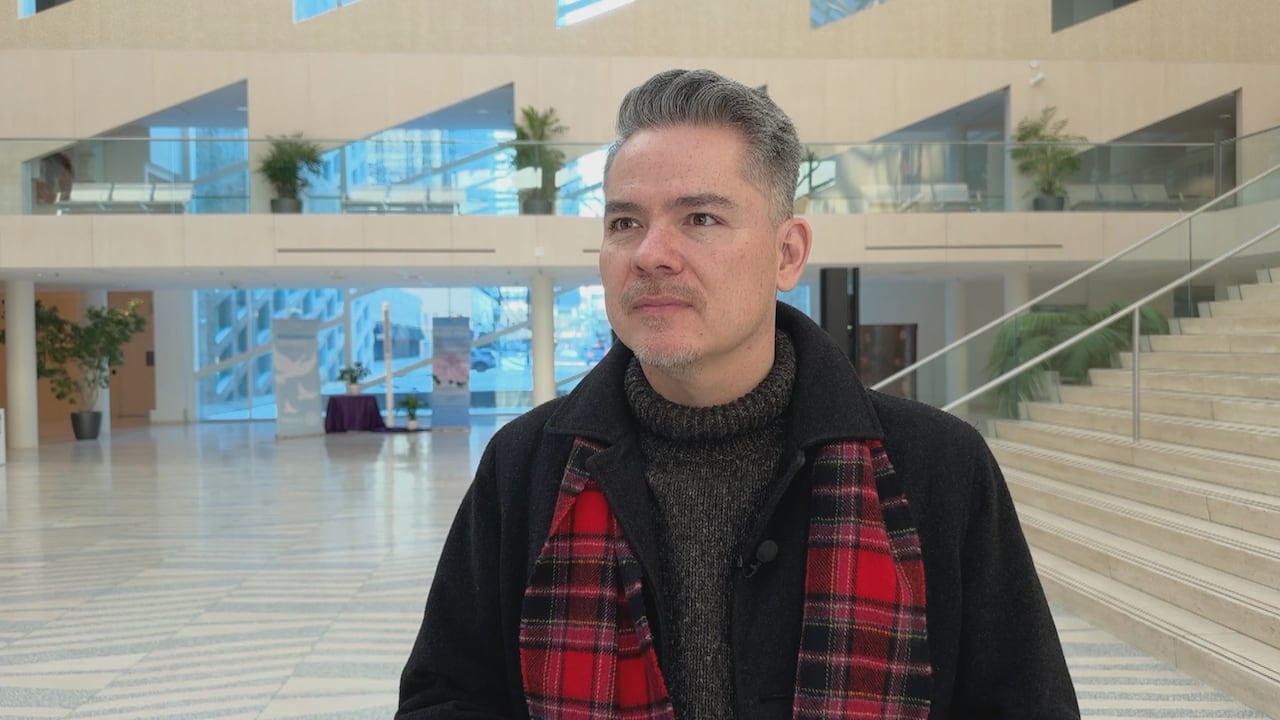 Ward Dene Coun. Aaron Paquette says there should be stricter consequences for parking ban non-compliance. (Tristan Mottershead/CBC)
Edmontonians who spoke to CBC News said they are in support of towing, as long as communication regarding parking bans have been prevalent.
“I think that makes the most sense. It’s the easiest and cheapest way to deal with it,” said Barry Robinson, who also highlighted that his neighbourhood had high levels of non-compliance despite clear signage.
Other means of discipline are necessary since some people don’t pay fines, said Katy Cole.
“A lot of people just walk away from fines,” she said. “They don’t consider it to be being held accountable, versus having their vehicle towed or something else like that is a real deterrent because walking out and finding your vehicles gone is pretty frustrating for some people.”
Moving forward, Knack and Paquette said they hope that city council can focus on reevaluating snow clearing to improve the process for future years.
“Your car left on the road may not seem like a big deal to you individually, but compounded across the entire city, that adds millions of dollars to the effort of snow removal,” Paquette said.