
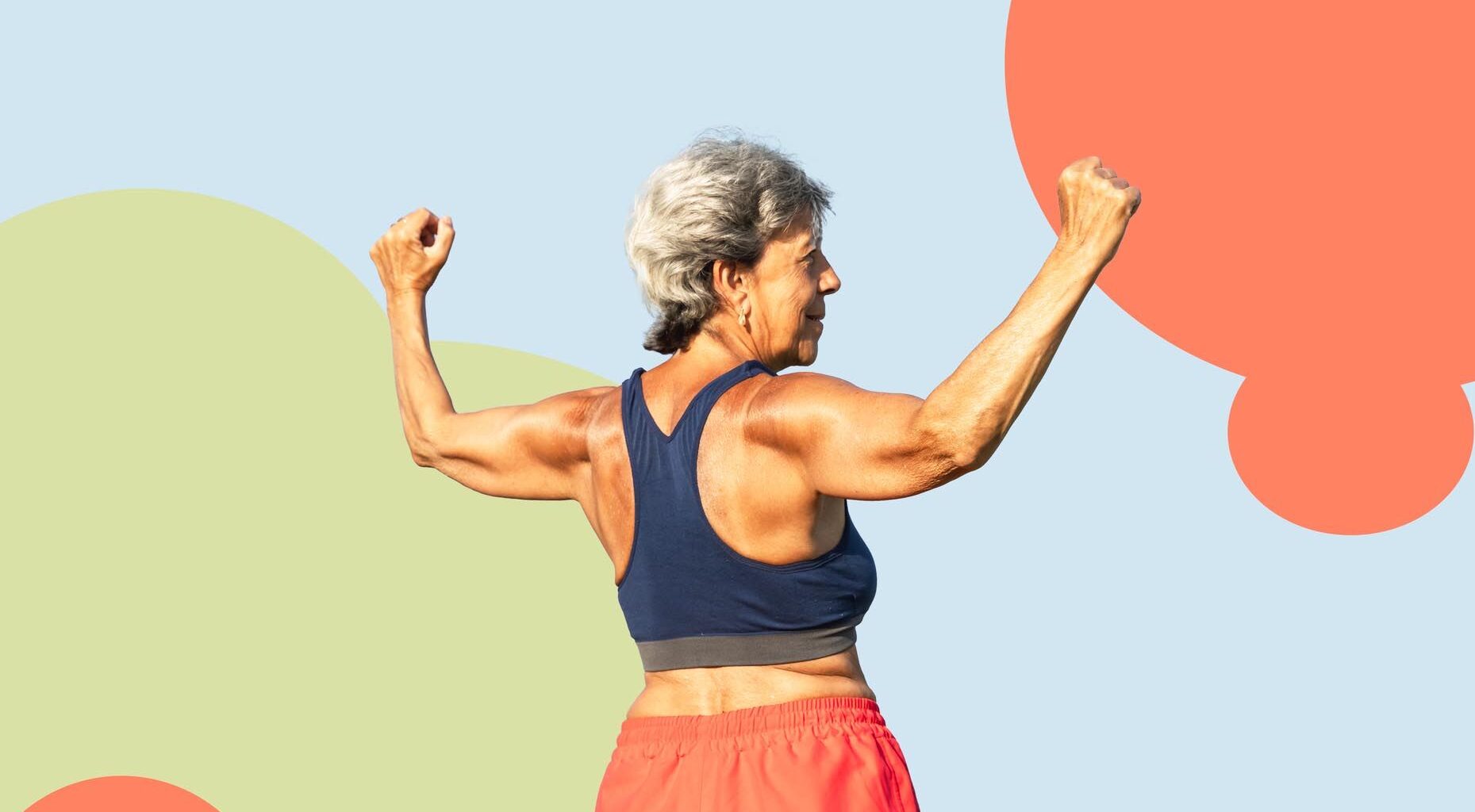
Staying independent after 60 isn’t about chasing personal bests or pushing through punishing workouts — it’s about being able to move confidently through everyday life. Small movements like getting up from a chair with ease, turning to look over your shoulder while driving, or catching yourself if you trip all indicate how self-sufficient we’ll stay as we age.
Strength, balance, mobility, and flexibility all play a role here, and the good news is they’re trainable at any stage of life. The right exercises don’t need to be complicated or time-consuming, but they do need to be purposeful. Done consistently, they can reduce falls risk, support joint health, and make daily tasks feel easier.
You may like
“Maintaining independence is the central goal of virtually everything I do in my work as a physical therapist,” Page says. “I cover conditions like arthritis, post-surgical rehabilitation, neurological injuries, falls prevention, and general reconditioning.”
The exercises below have been chosen by Page to target the key areas that most affect independence: lower-body strength, upper-body pushing power, rotational mobility, and — crucially — balance. Whether you’re in your early 60s or well beyond, these are practical, scalable movements designed to help you stay strong, steady, and confident for years to come.
6 moves chosen by a physical therapist to help you stay independent after 601. Sit-to-stand from a dining chair
“This is the single most functional exercise I prescribe,” Page says. “It directly translates to real-world independence, whether that’s getting off the sofa, getting up from the toilet, or getting out of the car.” By practising sitting to standing, you’ll help strengthen your quads and glutes, key muscles for staying confident and independent in daily activities.
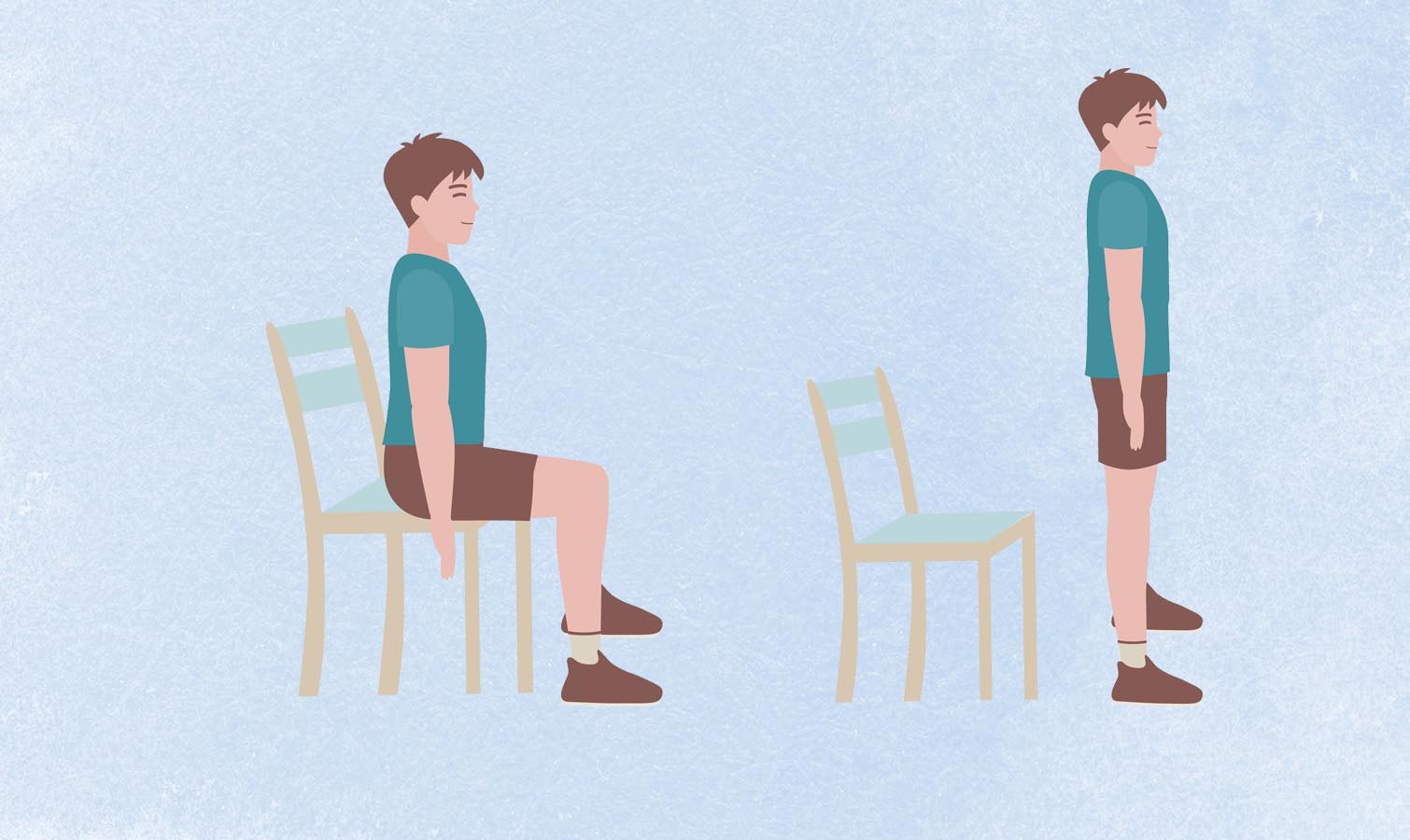
(Image credit: Shutterstock)Sit on a sturdy dining chair without armrests if possible, feet flat and hip-width apart.Cross your arms or place them lightly on your thighs.Stand up in a controlled way without using your hands.Pause briefly at the top.Slowly lower yourself back down, focusing on control rather than dropping into the seat.2. Wall press-up
Upper-body strength can be overlooked, but it plays a key role in staying independent — from pushing open heavy doors to getting up from the floor if you fall. A wall press-up is a safe and accessible way to build this strength without needing to get down on the floor.
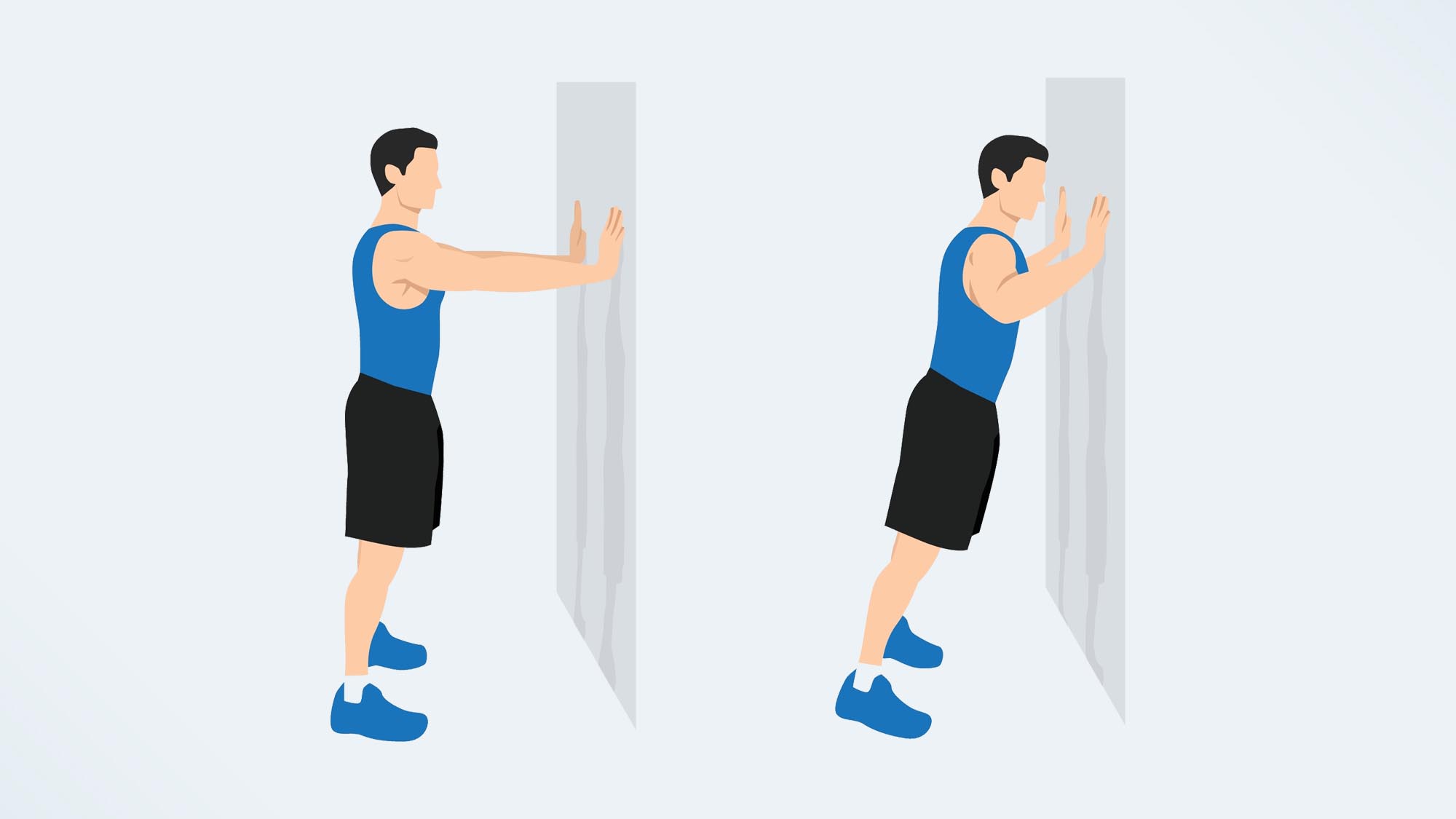
(Image credit: Shutterstock)Stand about an arm’s length away from a wall, with hands flat at shoulder height.Keep your body in a straight line from head to heels.Bend your elbows and lean your chest towards the wall.Push back to the starting position with control.Keep your core engaged throughout.3. Standing hip abduction
This exercise targets the hip abductors, “muscles which stabilize your pelvis every time you take a step,” Page explains. “If they’re weak, your walking pattern becomes less steady, which raises fall risk.”
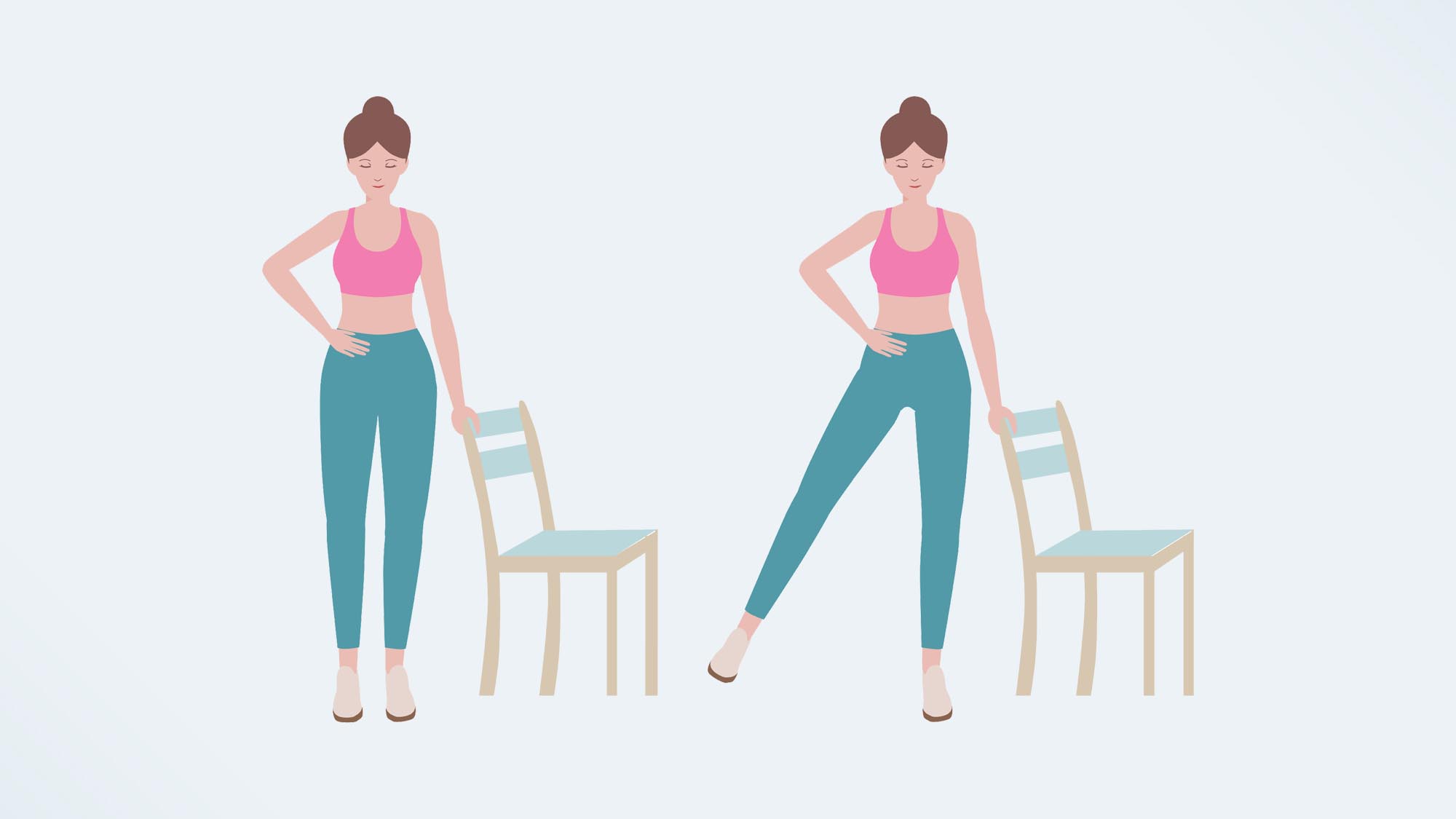
(Image credit: Shutterstock)Hold onto a kitchen worktop or chair for support.Stand tall and lift one leg out to the side, keeping toes facing forward.Avoid leaning your torso — the movement should come from the hip.Pause briefly at the top.Lower slowly and repeat before switching sides.4. Seated trunk rotation
Rotational mobility often declines with age, yet it’s essential for everyday tasks like reaching, dressing, or looking over your shoulder. This move keeps the mid-back mobile in a safe, supported position.
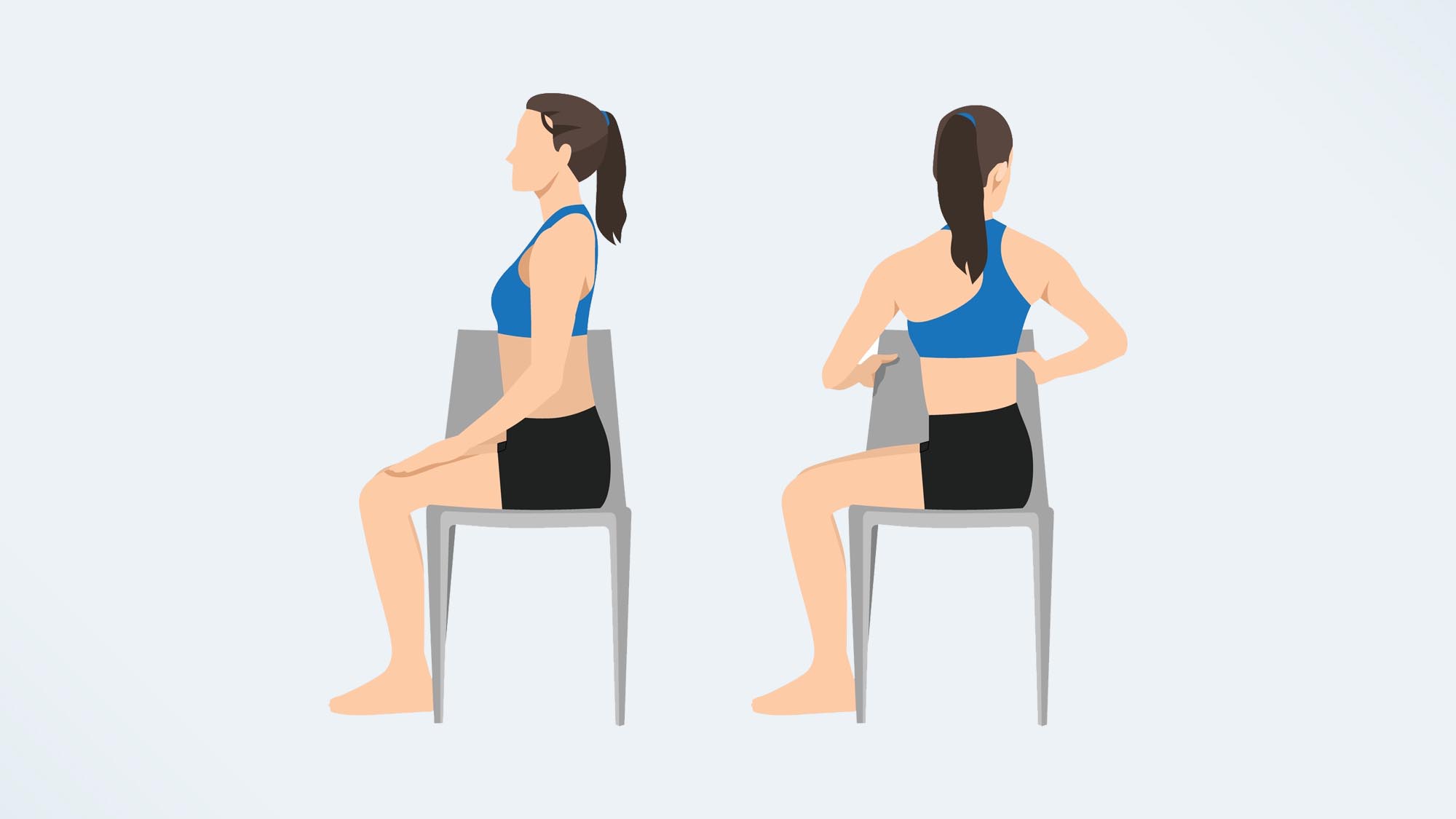
(Image credit: Shutterstock)Sit upright in a chair with feet flat on the floor.Cross your arms over your chest. Alternatively, you can hold on to the back of the chair for a deeper stretch.Slowly rotate your upper body to one side as far as comfortable.Keep hips facing forward and avoid twisting through the lower back.Return to the center and repeat on the other side.5. Tandem stance (heel-to-toe stand)
Balance is one of the strongest predictors of independence — better balance means we’re less prone to falls, which are one of the leading causes of hospitalization in older adults. The tandem stance challenges your stability in a way that reflects real-life situations, like walking on uneven ground or navigating crowded spaces.
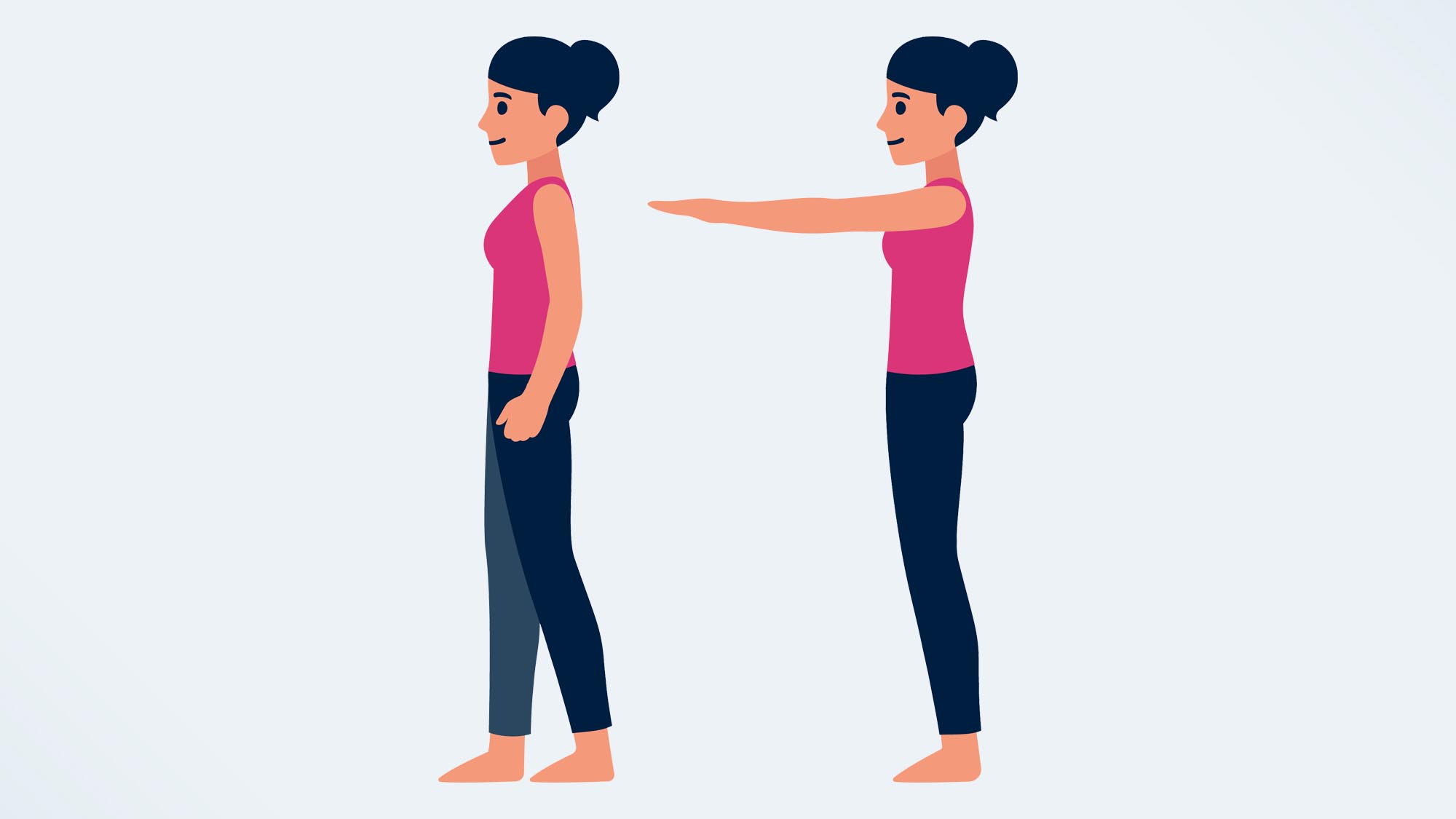
(Image credit: Shutterstock)Stand with one foot directly in front of the other, heel touching toe.Hold onto a worktop or chair for support if needed.Keep your posture upright and eyes forward.Hold for 20–30 seconds, then switch which foot is in front. 6. Single-leg stand
This is a gold-standard balance exercise used both for training and assessment. “The ability to hold a single-leg stand for 10 seconds is closely linked to long-term health,” Page says. “It’s simple, but incredibly powerful.”
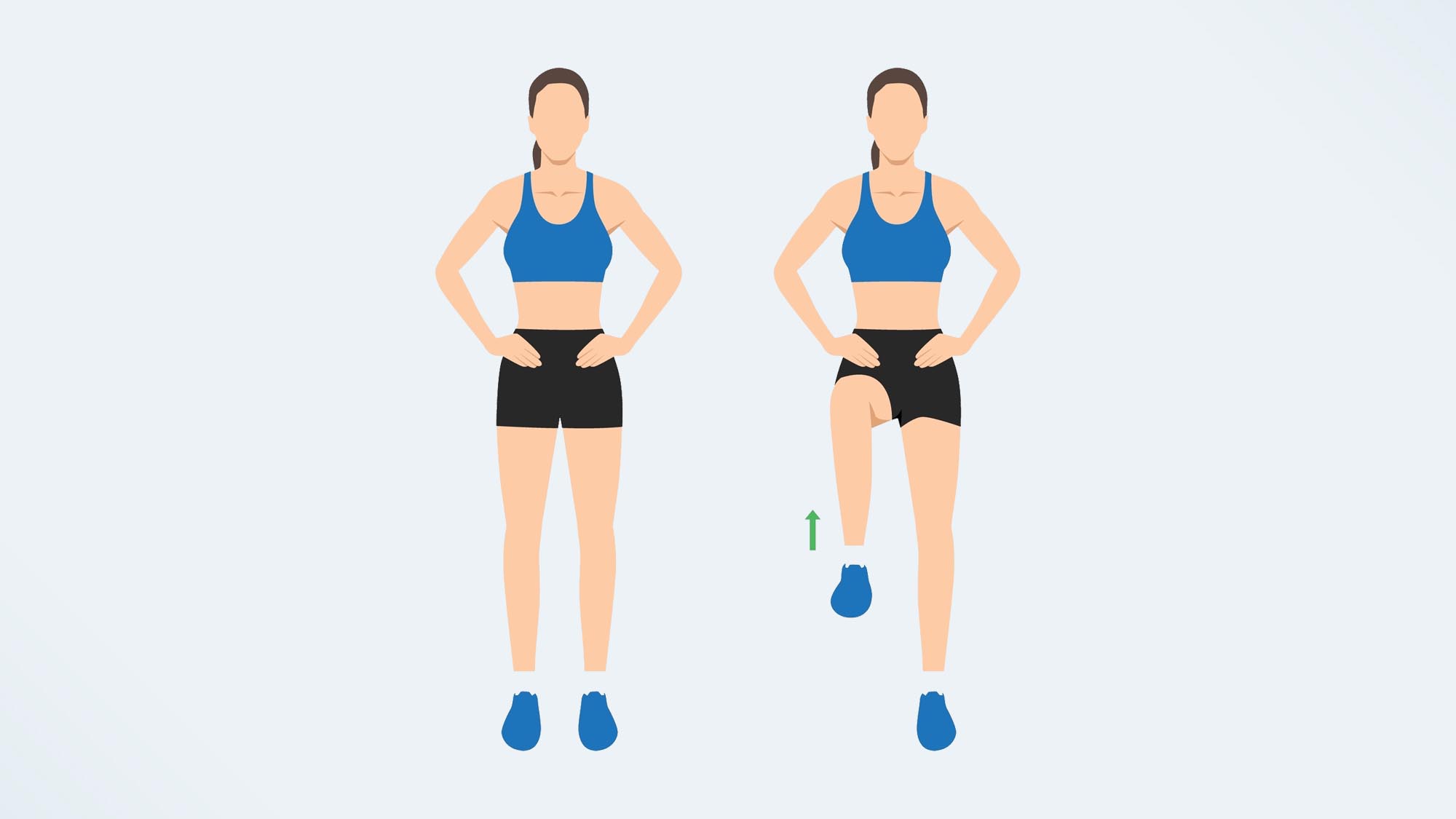
(Image credit: Shutterstock)Stand beside a stable surface, wall, or chair for support.Lift one foot off the floor, bending the knee slightly.Keep your body upright and core engaged.Hold for up to 30 seconds, then switch sides.Use light fingertip support if needed.
Many of these exercises look deceptively simple, but that’s a key part of what makes them so effective. They target the movements you rely on every day — standing, walking, reaching, turning, and balancing — and over time, that translates into greater confidence and independence. Rather than thinking of them as a “workout,” try to build them into your routine as daily habits. Even a few minutes each day can make a difference.

Follow Tom’s Guide on Google News and add us as a preferred source to get our up-to-date news, analysis, and reviews in your feeds.