

Listen to this article
Estimated 5 minutes
The audio version of this article is generated by AI-based technology. Mispronunciations can occur. We are working with our partners to continually review and improve the results.
City officials have outlined a plan to replace failed water meter transmission units with the majority in Toronto not working and residents with faulty units being billed for estimated —as opposed to actual — water usage.
About 70 per cent of the 470,000 water meter transmitters have already failed and the remaining 30 per cent of the devices are expected to fail by September, according to Lou Di Gironimo, general manager of Toronto Water.
“We know the situation has caused frustration and uncertainty and I want to acknowledge that. Our goal today is to be completely transparent about what’s happening and fully supportive of our customers needs as we work through this issue,” Di Gironimo said.
Here’s what you need to know about the plan.
Why is the city replacing the units?
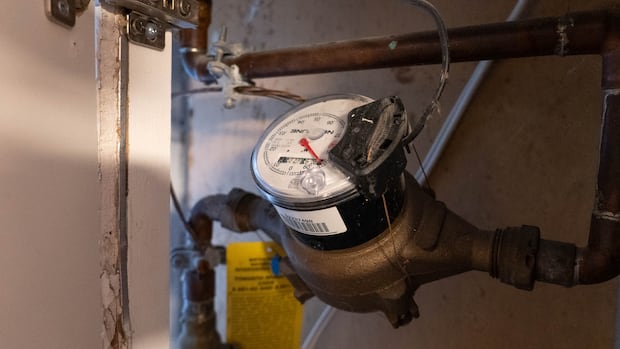
Water meter transmitters are small devices that automatically send accurate water usage data to the city. But when their batteries die, the data flow stops.
Once projected to have a 20-year lifespan, the city has said the batteries are dying faster than expected.
The city has moved residents with failed units to “estimated billing,” which means paying for estimated water use based on their past consumption.
“Some residents have already begun taking the extra step of manually submitting their readings to ensure that there are only billed for their actual water use and we appreciate their efforts,” Di Gironimo said.
What’s the plan?
The city says it will take three years to replace the failed units at a cost of $103 million. The work is set to begin in April.
Toronto has hired Neptune Technology Group (Canada) to lead the work and expects up to 20,000 units per to be replaced per month. Aclara Technologies, the original supplier, will supply the new units.
The work of replacing the units will take place by geographical zone and continue until 2028. Zones will be prioritized based on the unit failure rate, the length of time customers have been on estimated billing and the number of customers affected.
There is no separate or additional charge to install a new unit.
Once the automated system comes back online, an accurate bill should come within four to six weeks, which could result in a credit toward the account or money owed to the city. Residents will then be moved off estimated billing.
John Longarini, the city’s director of revenue services, said residents will never be charged for more water than was actually consumed.
“We have supports in place if you have concerns about an unexpected high bill,” he said.
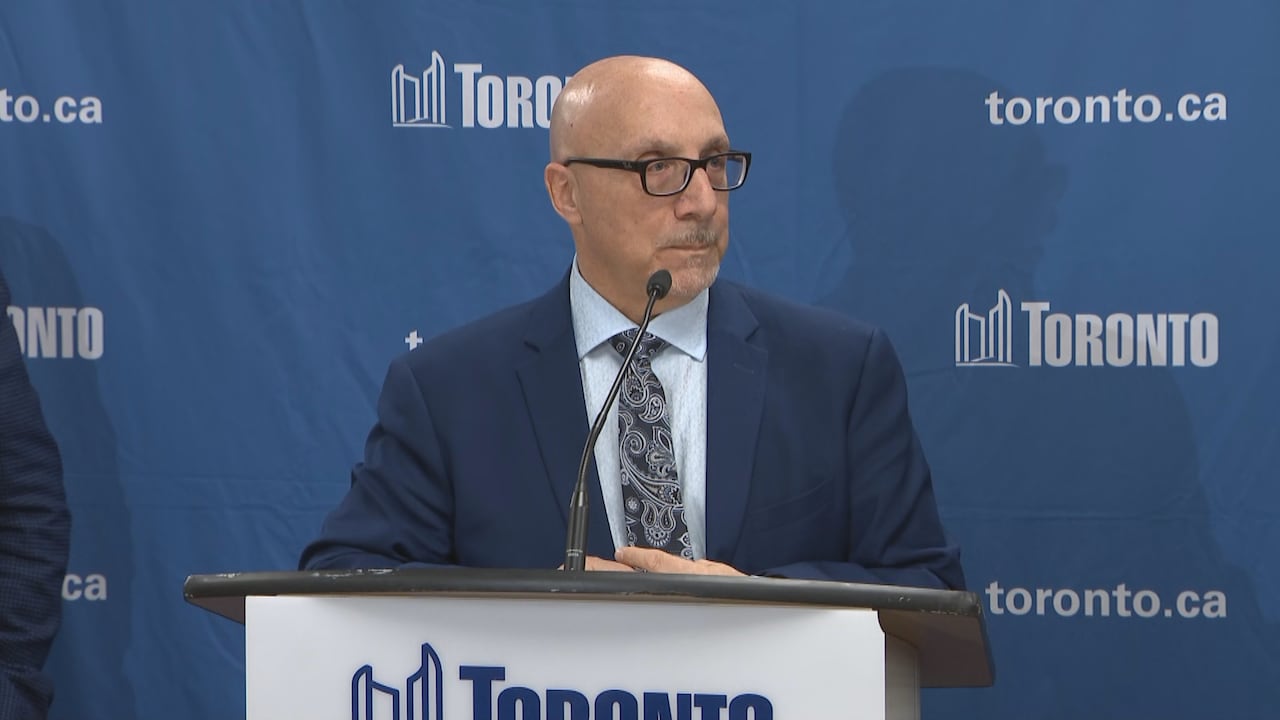 Lou Di Gironimo, general manager of Toronto Water, says the city knows ‘the situation has caused frustration and uncertainty.’ (CBC)
Residents can look up the zone in which they are located and when the contractor is expected to be in their area.
Customers can check their zone and estimated replacement timeline at toronto.ca/MTUreplacement.
What do you need to do next?
Watch for a letter in the mail advising that your unit needs to be replaced and to book a replacement appointment, the city says.
Neptune will then follow up with its own letter and refer residents to appointment booking details a few weeks before they begin work in each zone.
Residents should book an appointment with Neptune as soon as they are contacted, the city says. All technicians will have city-issued identification and will drive clearly marked vehicles. They will never ask for payment.
If residents have any doubts, they can call Neptune or the city to confirm the appointment or the workers’ identification.
Once your appointment is arranged, you should ensure the worker can access the water meter transmission unit and the water meter. In some homes, the units may be behind drywall or in hard to reach areas or contained in storage boxes.
A person 18 years or older should be present during the appointment, which will take about 20 to 30 minutes to complete, the city says. Pets should be secured during the appointment for safety reasons.
What should you do in the meantime?
While waiting for a scheduled replacement, residents with faulty units may receive a notice before their upcoming billing encouraging them to submit a water reading manually through an online portal. Details are available here.
You can also submit a manual reading by contacting the dedicated support team at 311 and selecting ‘1’ when prompted.
Customer support will be available through 311, including help in multiple languages, billing support and flexible payment options, the city says.