
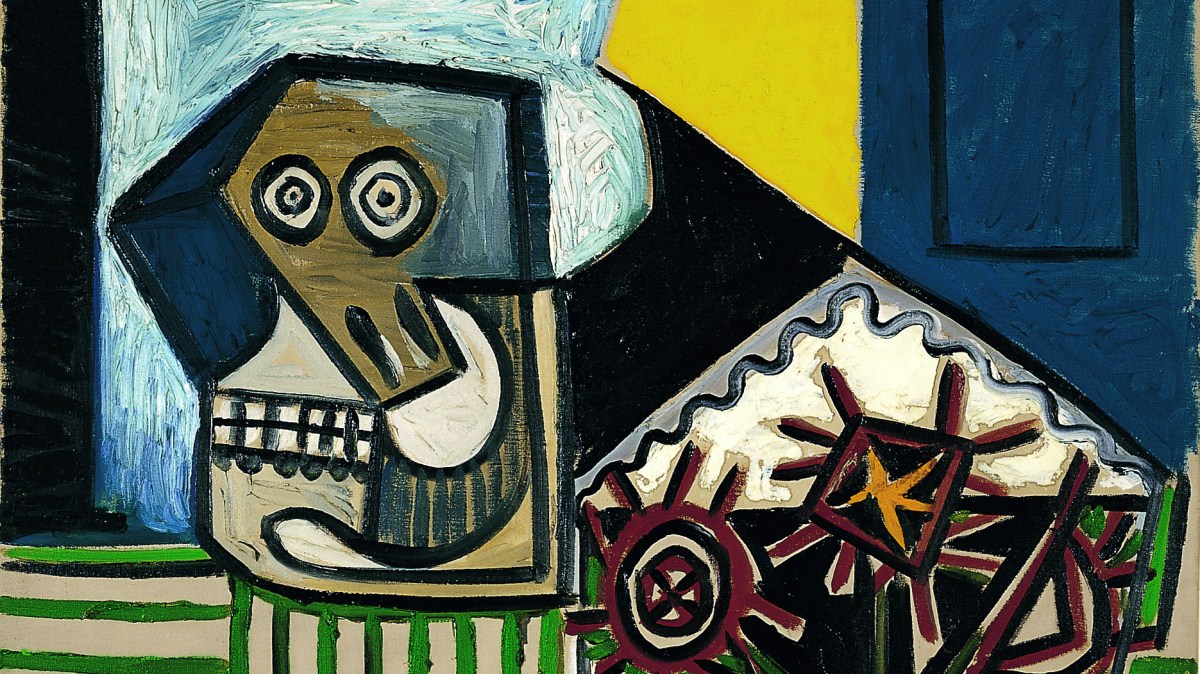
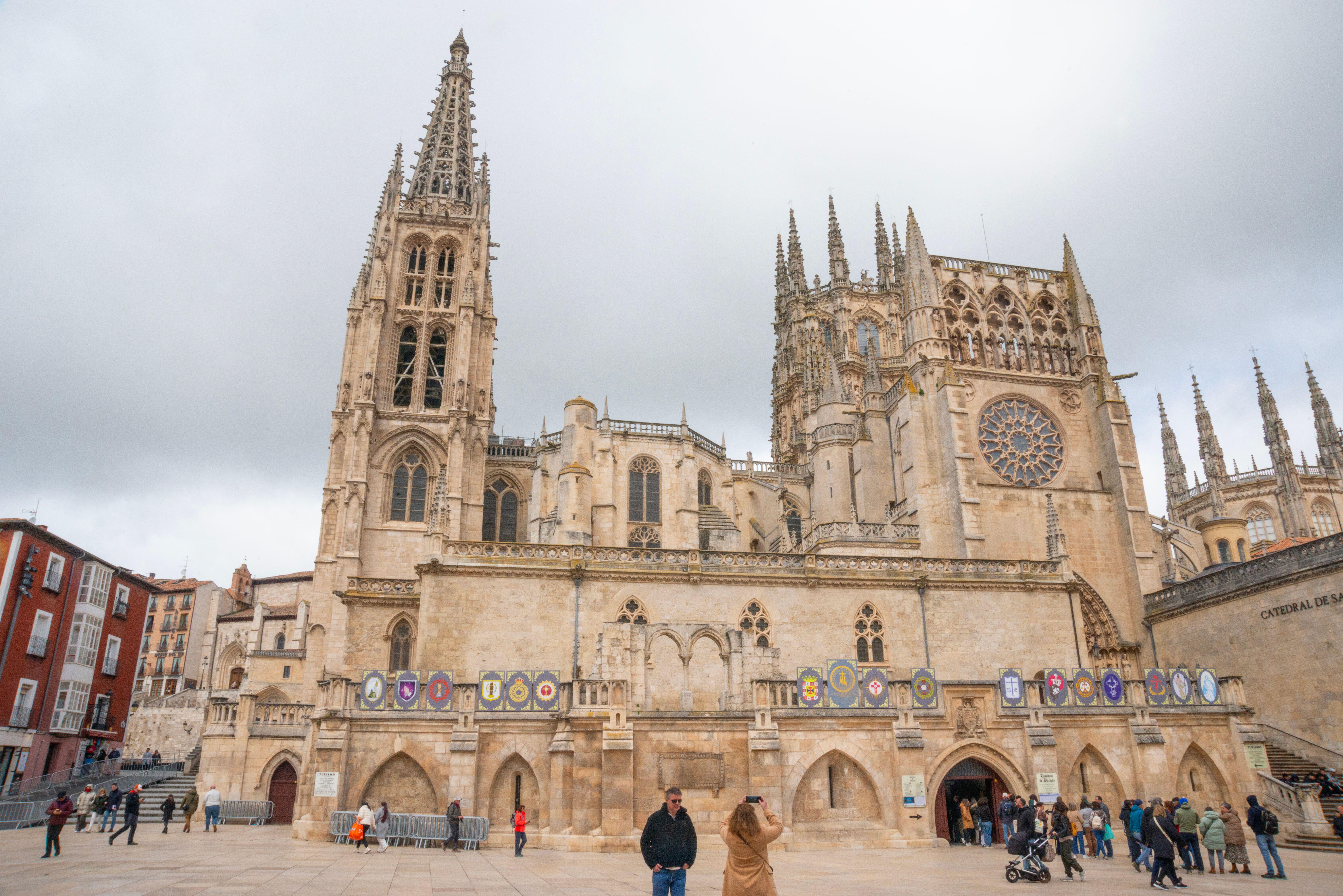
Despite his avowed atheism, Pablo Picasso’s viewing of the Burgos Christ crucifixion sculpture deeply inspired him.
His visit in 1934 to the northern Spanish city’s gothic cathedral came during his last trip to his home country. Two years later the civil war broke out. Burgos became General Francisco Franco’s capital during the conflict. Picasso died in exile two years before the nationalist Catholic dictatorship ended upon Franco’s death in 1975.
Nine decades later Picasso has returned. Burgos Cathedral is hosting an unprecedented exhibition focusing on the influence of Roman Catholicism on his work. The show, Picasso. Biblical Roots, is the product of a rare reconciliation that has bridged the country’s old divisions.
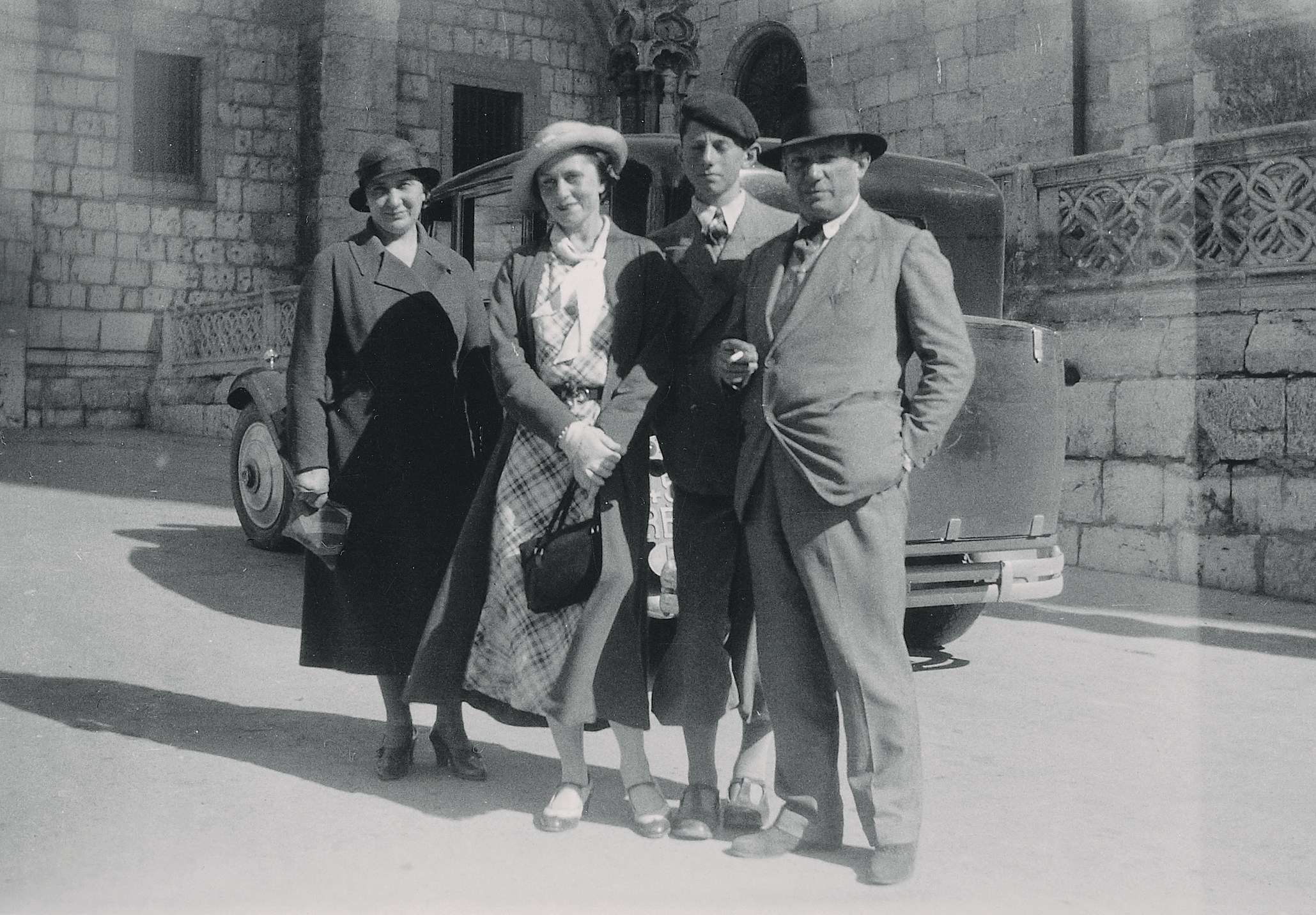
Pablo Picasso, right, with his wife, Olga, and son, Paulo, at Burgos Cathedral in August 1934
GASULL FOTOGRAFIA
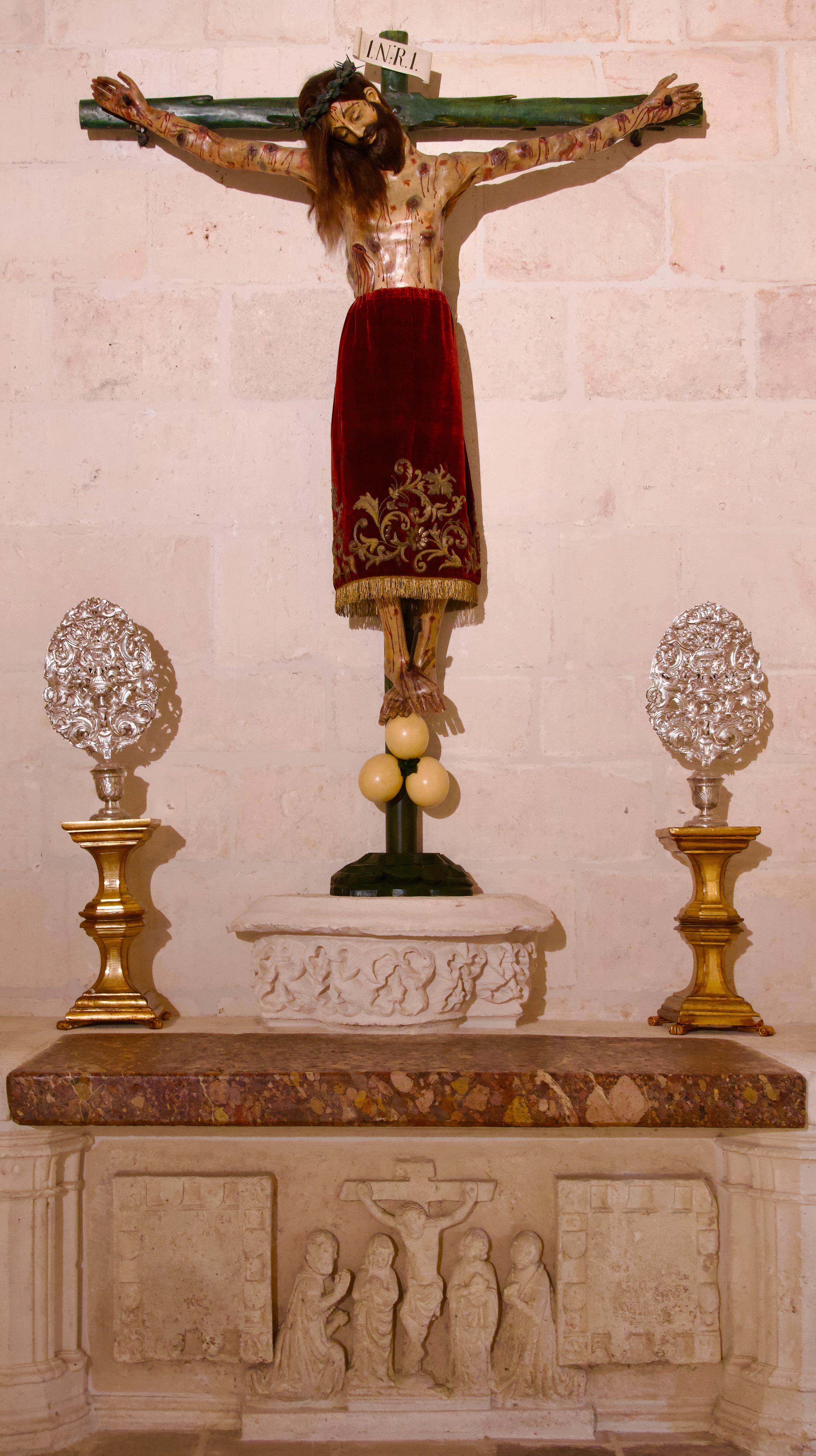
Jesus Christ on the cross at Burgos
ALAMY
That unusual unity was evident during the exhibition’s inauguration by Queen Sofía of Spain, the mother of King Felipe. Amid the cathedral’s splendour, the painter’s grandson, Bernard Ruiz-Picasso, sat alongside clergymen as a cardinal described Picasso as never having abandoned Spain’s “primordial mysticism”.
The exhibition, which runs until June 29, brings together 44 works by the Malaga-born artist and includes paintings and drawings from all periods of his career.
Paloma Alarcó, the show’s curator, said: “It was a shocking idea when we first raised the peculiar notion of holding the exhibition in the cathedral. With Picasso, nothing is pure: it is explained by his hybridisation and contradictions, and one of them is that he was an atheist who we might say was very pious.”

Bernard Ruiz-Picasso, the painter’s grandson, at the opening with Queen Sofia. Maternity, 1921, is on the far wall
CESAR MANSO FOTOGRAFO
Alarcó, a modern art expert at the Thyssen-Bornemisza Museum in Madrid and a trustee of the Picasso Museum in Malaga, added: “He always had a concern for transcendence and spirituality that was contradictory to his way of being and thinking.”
Picasso had his son Paulo baptised and joined the French communist party in 1944.
• Stone Age or Picasso — can you spot the difference?
The exhibition charts Picasso’s immersion in Spain’s Catholic culture, noting that he grew up “surrounded by his [art teacher] father’s paint brushes and his mother’s religious teachings”.
The family home had a sculpture of Our Lady of Sorrows made by his father. In 1896, after they had moved to Barcelona, Picasso, aged 15, painted and exhibited religious subjects such as The altarboy, which has been loaned by Catalonia’s Montserrat Abbey.
The most prominent work of the exhibition is Maternity (1921), in which Picasso portrays his wife Olga Khokhlova with their son, Paulo, in her arms. According to the curator, the painting combines biblical and historical resonances of “sacred families” by painters like El Greco, Murillo and Alonso Cano.
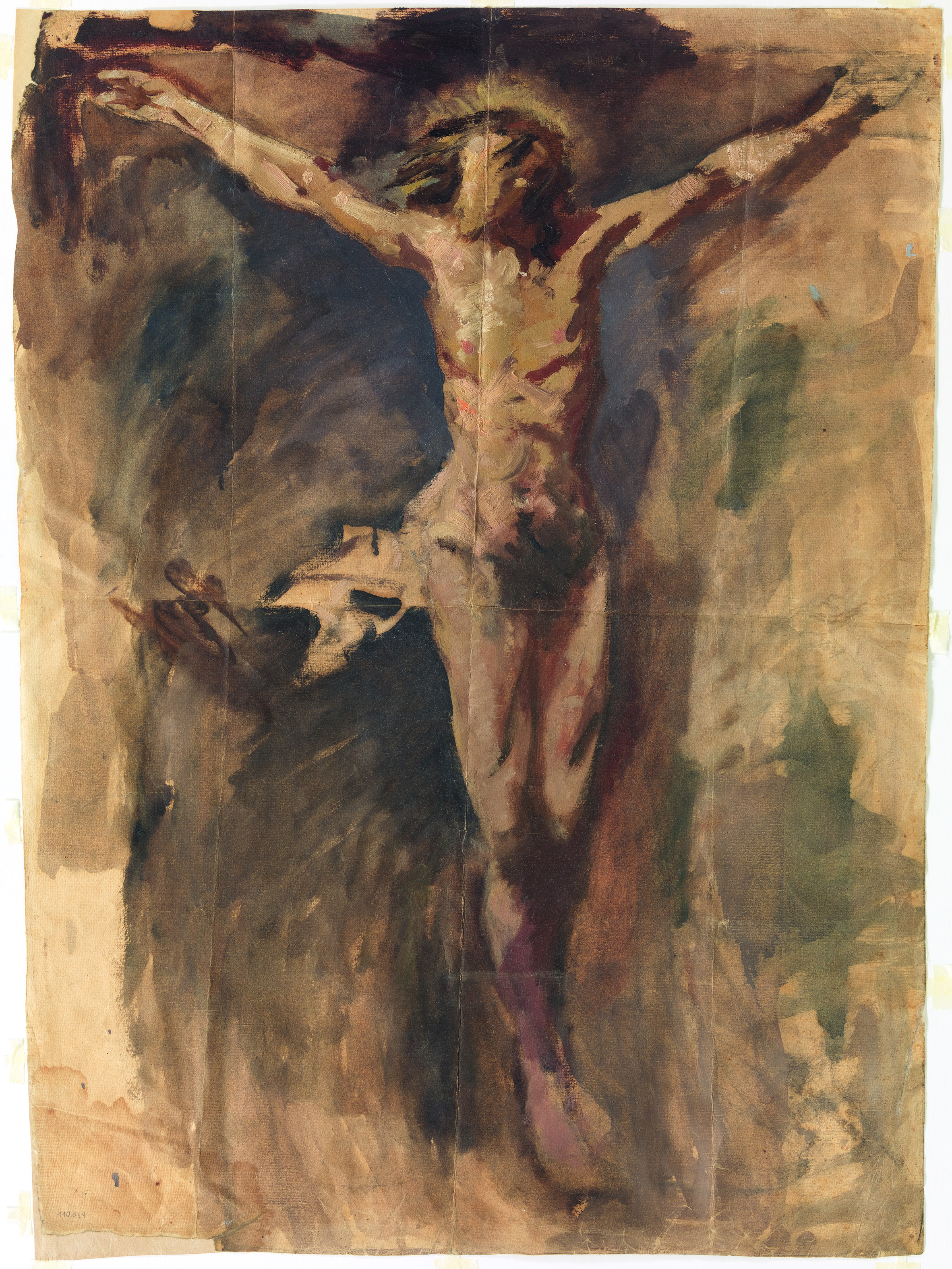
Picasso’s Christ Crucified, 1897
GASULL FOTOGRAFIA
“Sacred symbols and themes rooted in the Bible were a profound source of artistic and spiritual inspiration throughout Picasso’s career,” Alarcó said.
For example, she added, when Carles Casagemas, a close friend of Picasso, died by suicide, he painted three or four portraits of him dead like a bloodied Christ, inspired by Crucifixion by the German Renaissance painter Matthias Grünewald.
“This moment led him to the imagery he would capture in Guernica,” said Alarcó, referring to the famed painting of the destruction wrought on the Basque town by Nazi German bombers at Franco’s behest in 1937.
• How to clean 30 years of tourist sweat off a Michelangelo
Alarcó said that the exhibited work Mother with Dead Child, painted in the same year, “encapsulates the suffering of the Pietà, where a mother mourns the death of her son, using the same dramatic grey colours as in Guernica”.
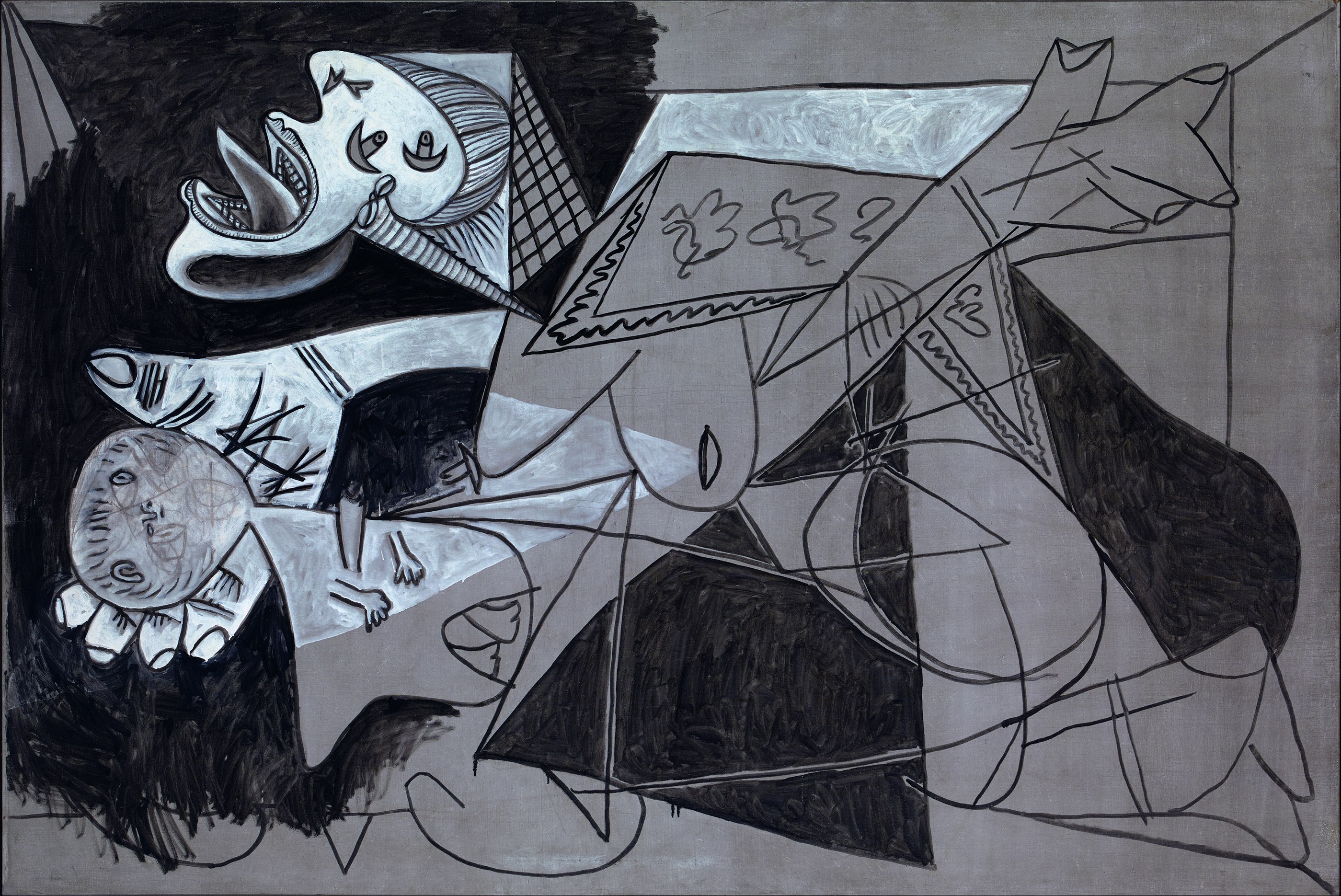
Mother with Dead Child, 1937
GASULL FOTOGRAFIA
The exhibition also features works with his characteristic symbols of peace, such as the shepherd with his lamb on his shoulder and the doves he would universalise as a symbol of peace inspired by Noah’s Ark.
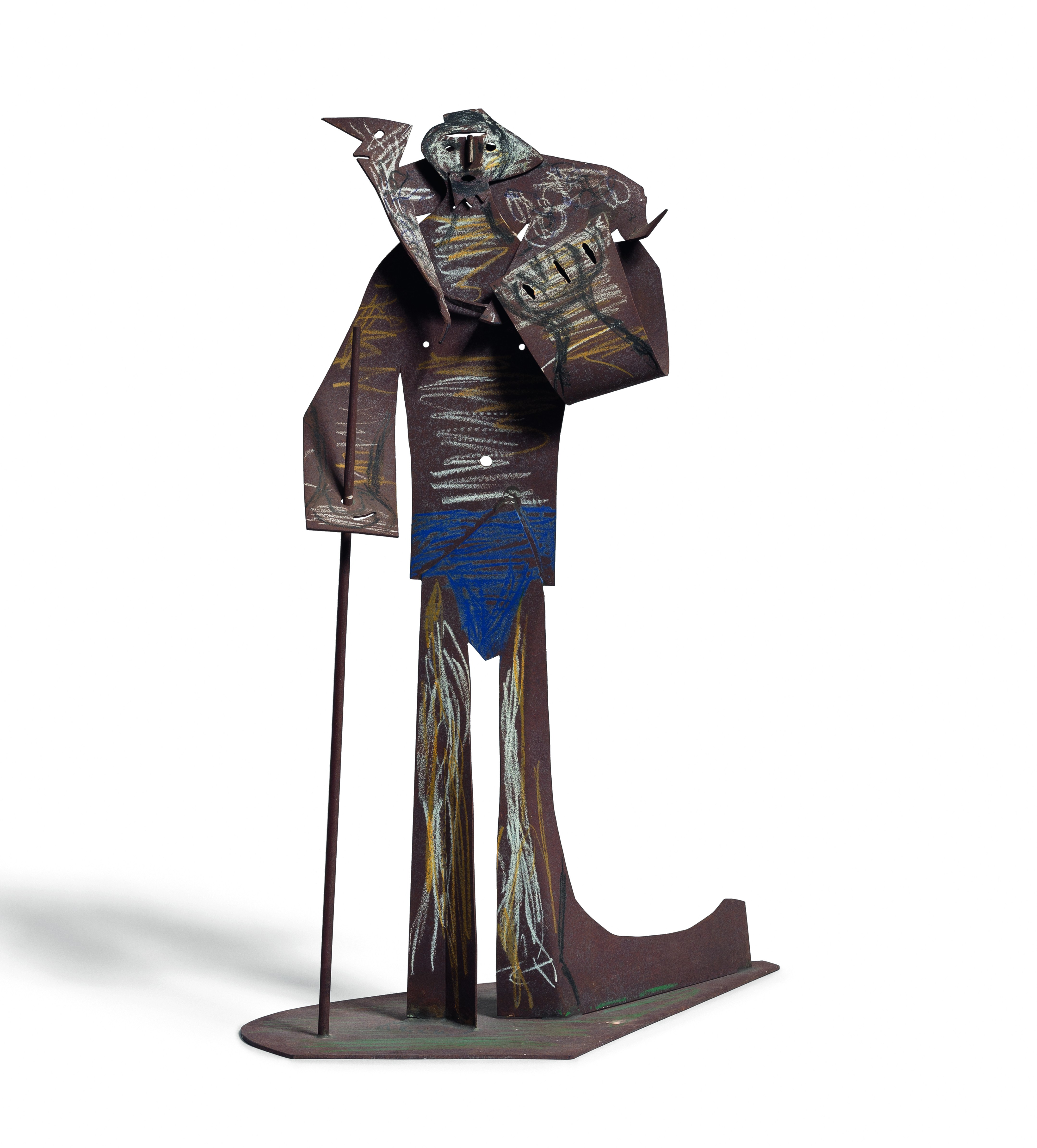
The Man with a Lamb, 1961
GASULL FOTOGRAFIA
Cardinal José Tolentino de Mendonça, prefect of the Vatican’s dicastery for culture and education, said: “Picasso’s art and Burgos Cathedral do not regard each other as strangers: they question each other, embrace their differences and illuminate each other.”
He added: “Picasso, a son of that Spain in which, as Apollinaire wrote, mysticism lies at the heart of even the least religious souls, never abandoned that primordial language. He traversed it, reinvented it, sometimes disrupted it, but he never abandoned it.”