
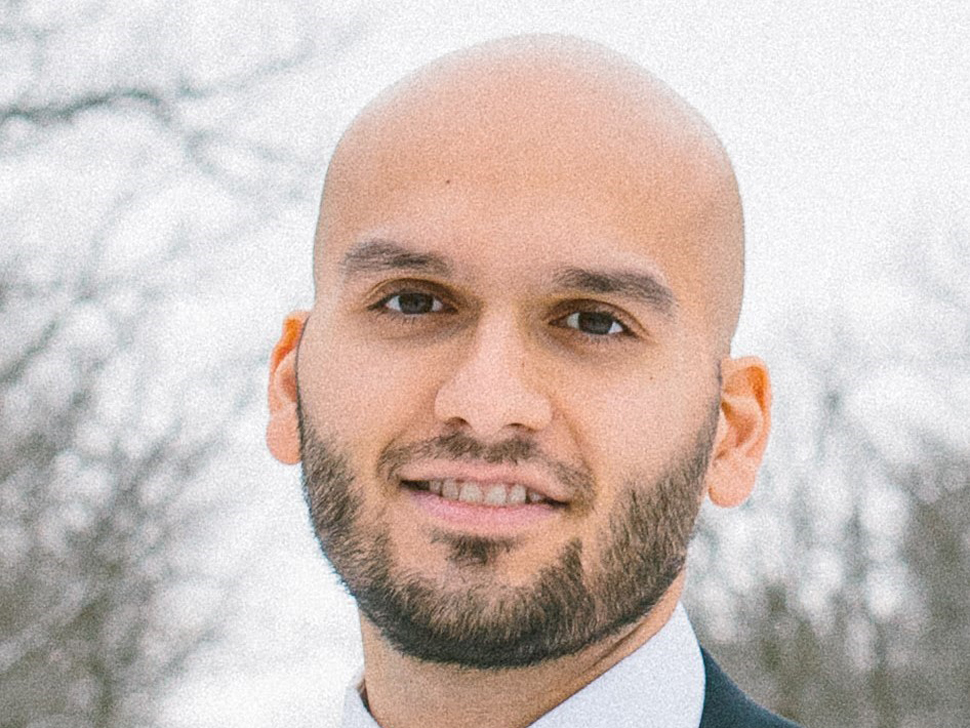
A spokesperson for Southern Health-Sante Sud says there are probably a lot more cases of measles in our province, than what statistics indicate.
Dr. Davinder Singh is Medical Officer of Health. He says when talking with individuals or families who either have measles or have been exposed, they realize there are probably a lot of people who have measles but are not getting tested.
“We’re only probably aware of one in 10 of the cases that are probably of people that have gotten measles,” suggests Dr. Singh. “So, the exposures that we post are just a limited snapshot of what might be circulating.”
No deaths in Manitoba from measles
According to Manitoba Health, since the start of 2025, there have been 534 confirmed cases of measles in our province. It is reporting 30 hospitalizations in that time, with three ICU admissions. Dr. Singh says nobody has died yet from measles since the start of 2025, noting there have only been two deaths in all of Canada.
Dr. Singh says a lot of new cases in Manitoba have surfaced since Ag Days in January. He notes that exposures at that event resulted in a number of cases also being distributed to larger communities than what was previously circulating.
“It has resulted in spread of the virus to new areas that hadn’t seen infection, at least recently,” he adds.
Dr. Singh says that of the 30 individuals who have been hospitalized in our province, almost none of them were immunized. According to Dr. Singh, most recent statistics show that 62 per cent of children in our region received the measles vaccine by their second birthday. The provincial average is 81 per cent. He notes that in Winnipeg, that number is as high as 89 per cent. By comparison, Dr. Singh says in 2015, about 78 per cent of children in our region received the vaccine by their second birthday.
“So, numbers have been dropping year over year for quite some time unfortunately,” he adds.
Adults immunized as children should still be protected
For adults who were immunized as children, Dr. Singh says you are probably still protected. He notes that 93 out of 100 people who get that first dose of measles vaccine will be protected against the disease. Dr. Singh says it appears that in Manitoba, the protection is lasting for several decades, and likely for an entire life. For those who then get the second dose, which is recommended for children between four and six years of age, Dr. Singh says this helps protect an additional half of those who are not protected by the first dose.
“So that brings the total up to 97 out of 100 people that are protected with two doses,” he explains. “Generally speaking, the vast, vast majority of us who only got one dose as kids, we’re still protected.”
Dr. Singh says the best thing for people to do is to get all the routine recommended immunizations and to get that protection before any known exposure.
“If everybody who is currently not immunized decided to get immunized, then we very soon wouldn’t be talking about measles, and the outbreak would end,” he suggests. “So that’s the most important thing for people to do.”
For somebody who is immunized and realizes they were at one of the exposure sites, Dr. Singh suggests just monitor for symptoms. However, he acknowledges that not all exposure sites are the same. For example, he says household exposure, intimate exposure, or very close prolonged exposure can be more significant than a transient exposure in a large setting.
Dr. Singh encourages the public to check their immunization records and to make sure they are immunized. And though it is still possible to get measles after being immunized, Dr. Singh says it is usually a much milder disease, and there is less of a chance that it gets transmitted to another person, which means fewer people are exposed.