

If you were to search for ‘healthy eating tips’ on Instagram or TikTok today, your algorithm would be flooded with videos of nutritionists, fitness fanatics, and gym enthusiasts all insisting that they have the answers.
While some will insist on breakfasts topped with protein powder, others will swear by cottage cheese snacks and high-volume veggie dinners, and a few may even say that counting calories and macros is the only way to go. But who exactly should we be listening to?
With an onslaught of information arriving from even the most simple search term, it’s important to find trusted sources.
For example, did you know that ‘nutritionist’ isn’t a protected title in Ireland? That means that anyone can call themselves a nutritionist regardless of their level of training, qualifications, or experience.

To help ease the information overload and keep things simple, registered dietitian Aisling Geary began sharing her insights into dietary health as well as some straightforward recipes on social media.
“We over-complicate things hugely when, actually, the evidence hasn’t changed over the years,” Aisling told RTÉ Lifestyle, noting that a regular intake of whole foods will, generally, cover your nutritional needs.
As well as focusing on a variety of whole foods, the Cork woman says that calorie counting is off limits when it comes to her account.
“Calorie counting in the short term – if you have a really healthy, neutral relationship with food – can help you learn the energy value of food. When it becomes longer-term, it can almost be a crutch, and that’s when problems can arise.”
“I think it really disregards the whole nutritional value of a food,” she adds. “If you’re only looking at the energy content of your food, you’re missing out on so many key nutrients that play such a huge role in your health.”
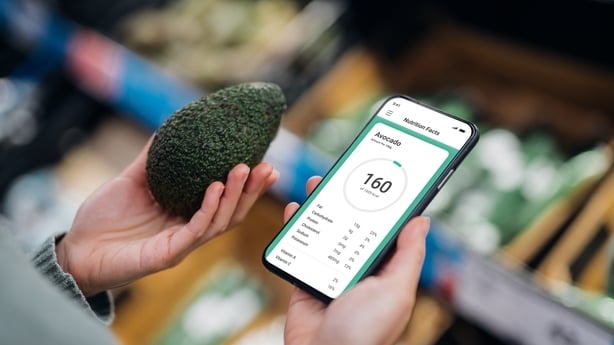
When sharing recipes online, Aisling has noticed that viewers will often comment that certain foods are higher in calories and are therefore ‘less healthy’. This black and white thinking, she says, can lead to very sparse diets.
“Just because it has less calories doesn’t mean it’s the better option,” she insists, noting that how we metabolise food has an impact on our blood sugar levels, gut microbiome, and more.
Not only that, but food labels, by law, can be inaccurate by up to 20%, meaning that calorie tracking should really only be relied on as a loose guideline.
“I think people are realising that it doesn’t really work long term unless there’s other behavioural changes done alongside it,” she says. “
Rather than deducting calories and limiting the intake of food, Geary makes a point of shifting the focus to inclusion and variety. Instead of thinking about what you can’t have, concentrate on filling your plate and counting up some ‘plant points’.
A landmark study by the American Gut Project found that consuming over 30 different types of plant-based foods per week significantly increases gut microbiome diversity, which Geary says can lead to better immune health.
“I think it’s an achievable thing to focus on, and I think it really encourages thinking about what you can add in rather than what you can take away,” she says. “Look at the deficits in your diet, where you’re not meeting your requirements, and add something in to help that.”
To keep things easy, Geary creates one-pan breakfast oats to last the week and simple sourdough dinners topped with a wide variety of fibre-filled ingredients. Additionally, she suggests batch cooking a base meal that you can add to throughout the week.
“Make a chilli con carne but serve it with different things,” she says. “One day with a baked potato, another day with a sweet potato, or with pitta bread and guacamole.”
If you come in from work and you’re simply too tired to cook, opt for something simple with a few added extras that will make it more balanced and satisfying.
“It’s about encouraging people to try new foods, vary what they’re getting in their food shop, and thinking about what they can add in rather than take out.”
If you have any concerns about your health, be sure to consult your GP.