
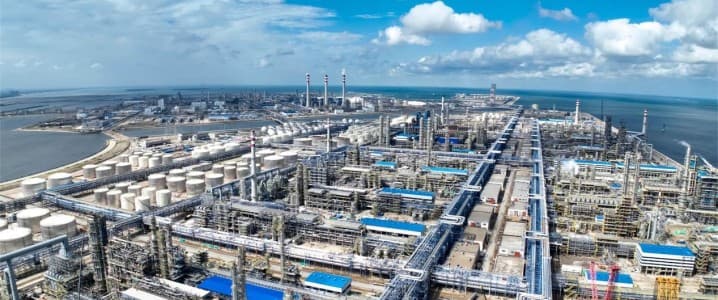
The world’s top crude importer, China, plans to further boost its undisclosed strategic oil reserves and expand storage capacity under its newly-unveiled five-year development plan.
China will build more projects to expand its oil reserves, according to the authorities, who did not provide figures or details about the expected jump in crude reserve buildups and capacities.
The country is also betting on growing its domestic natural gas production and keeping its crude oil output steady at about 4 million barrels per day (bpd), or 200 million metric tons per year.
That’s lower than the 216 million tons of crude China pumped in 2025. Targeting slightly lower annual output through 2030 suggests that China could soon meet constraints in boosting domestic oil output.
Related: No Missiles, No Drones: What Happens When Rare Earths Stop Flowing?
However, gas production is planned to increase, as well as crude reserves and the capacity to stash oil, as China is looking to boost its energy security to protect itself from the massive exposure to the global oil and gas markets and volatile prices in geopolitical events such as the ongoing war in the Middle East.
In the past year alone, China has been amassing crude in strategic and commercial reserves, propping up oil prices throughout 2025 even though its demand growth has weakened.
Beijing is estimated to have been sending over 1 million bpd of crude into commercial and strategic inventories for nearly a year—taking advantage of lower international prices and even lower prices for sanctioned supply out of Iran, Venezuela, and Russia.
The Chinese strategy to build up reserves during a nearly year-long buying spree at relatively low prices is now paying off, as the world’s top crude importer has some buffer to power through the early days of the severely disrupted oil flows out of the Middle East, analysts say.
China’s energy security strategy and plan to aggressively buy cheaper crude, including sanctioned barrels, is insulating the world’s second-largest economy, to some extent, from short-lived supply disruptions as the war in Iran and Tehran’s retaliatory strikes on Gulf neighbors escalate.
By Charles Kennedy for Oilprice.com