
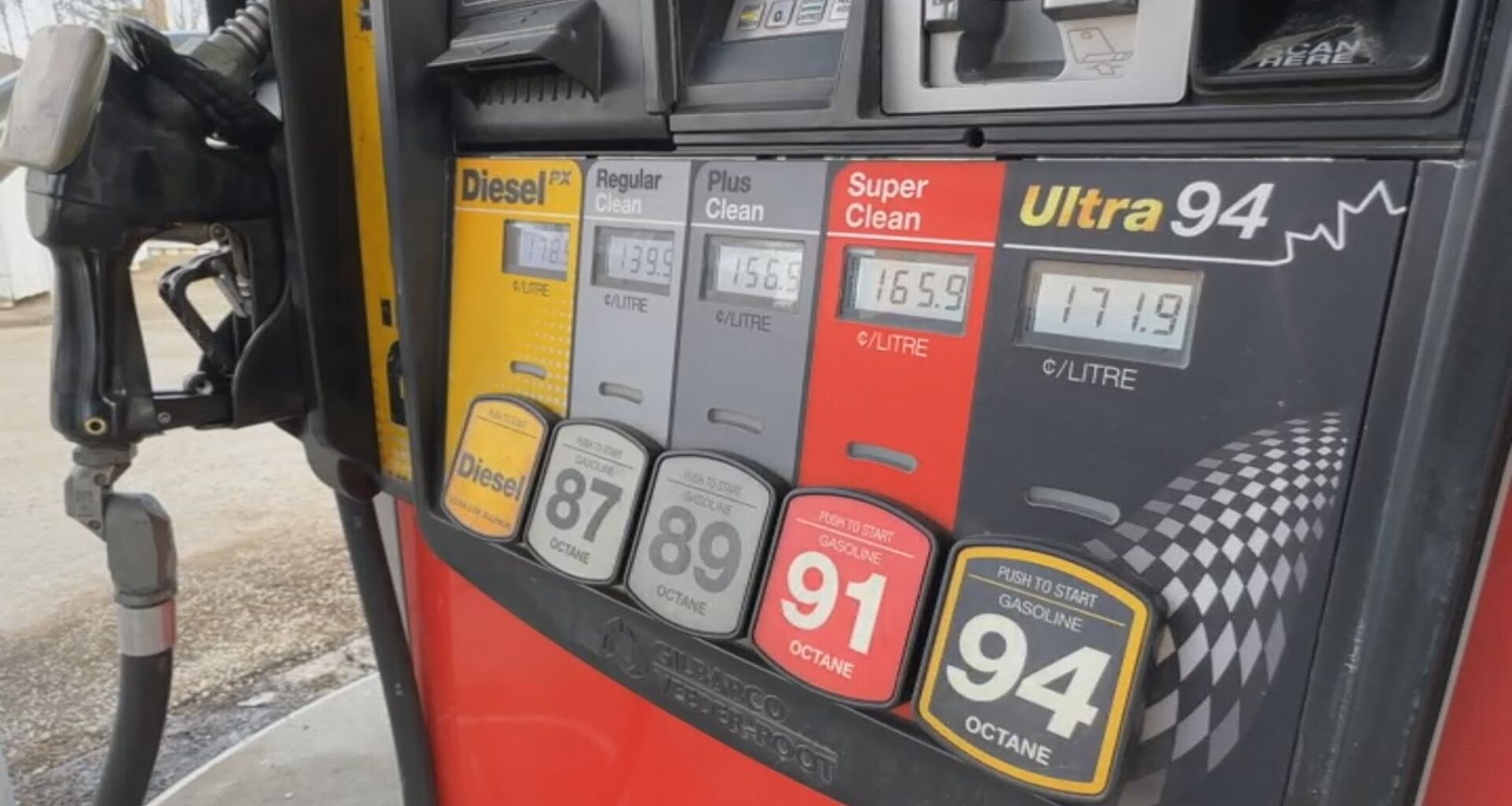
As conflict in the Middle East pushes global fuel prices higher, Canadian businesses that rely on gasoline say the impact is already hitting their bottom line, and they warn consumers to prepare for it to show up on their own receipts.
The national average price of gas has climbed 11 cents since Sunday, a jump that’s squeezing companies whose operations depend on daily driving.
For Flash Express Courier in Calgary, which specializes in delivering pharmaceutical products, the rising cost of fuel has already forced an increase to its fuel surcharge. Owner Drilon Beqa says the stakes are high for the customers they serve.
“We deal with a lot of specialty pharmacies, which the people that receive these medications need them, some of them on a daily basis,” Beqa said.
Gig workers are feeling the strain too. Part‑time Uber driver Harpreet Singh says there’s a limit to how much he can absorb before it no longer makes sense to stay on the road.
“If the gas prices are up, it will impact the market,” Singh said, adding that if prices spike further, he may have to stop driving altogether.
Experts warn that the effects won’t be confined to the pump. If instability in Iran continues, transportation costs could ripple through the entire supply chain.
Samuel Roscoe, a professor at the University of British Columbia, says consumers should expect to see the consequences in grocery aisles and beyond.
“I would expect if we have a couple of weeks, three weeks to a month, that we are going to see those costs of transport embedded into the costs of strawberries, fruits, vegetables, as well as other packaged products,” Roscoe said.
Back in Calgary, Beqa is hoping the surge doesn’t escalate into something more severe.
“Hopefully we can have a resolution to this and it doesn’t keep going up,” he said.
Calgarians can find the average pump price and the lowest prices in the city on the CityNews gas prices page.