

Listen to this article
Estimated 4 minutes
The audio version of this article is generated by AI-based technology. Mispronunciations can occur. We are working with our partners to continually review and improve the results.
The Canadian Nuclear Safety Commission has approved a licence for NexGen Energy Ltd. to build a uranium mine in the Athabasca Basin, making it the second major uranium project the national regulator has licensed in Saskatchewan this year.
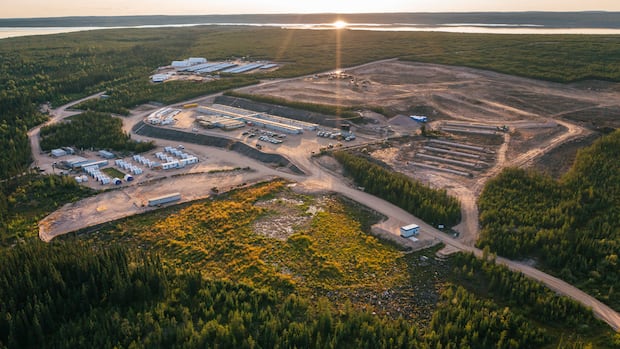
NexGen’s Rook 1 project is an underground mine the Vancouver-based company plans to build in the southern Athabasca Basin about 150 kilometres north of La Loche, in Treaty 10 territory.
On Thursday, the commission announced it granted NexGen a licence to construct a mine and mill at the project site. The company will have to apply to the commission for a licence to operate the mine.
Construction is scheduled to start this summer and is expected to finish in four years. The company estimated the mine could produce up to 30 million pounds (over 13,000 tonnes) of uranium annually, or around 20 per cent of the current global fuel supply.
NexGen expects to spend $2.2 billion over the four-year construction phase, vice-president Adam Engdahl said in an interview.
“We wouldn’t have this project and this approval so fast without the support from our Indigenous partners and our community members,” he said. “That unequivocal support we’ve had is something that’s unprecedented.”
When fully operational, the mine will create 459 full-time jobs and will have a life span of 24 years, he said. Exploration in the area is ongoing, and promising uranium deposits nearby could be developed in the future.
The company secured endorsements from Indigenous communities that are close to or have traditional territory affected by the project. NexGen signed benefit agreements with the Clearwater River Dene Nation, Birch Narrows Dene Nation, Buffalo River Dene Nation and the Métis Nation-Saskatchewan.
Details of the agreements are confidential but typically include employment and training guarantees, contracts for locally-owned businesses and financial benefits.
“It’s going to be life-changing for a lot of people with the opportunities,” Métis Nation-Saskatchewan Local 39 president Keith Shewchuk said in an interview.
“Many of our community leaders have supported this.… There’s so much opportunity for our youth and our entrepreneurs here to be able to participate in.”
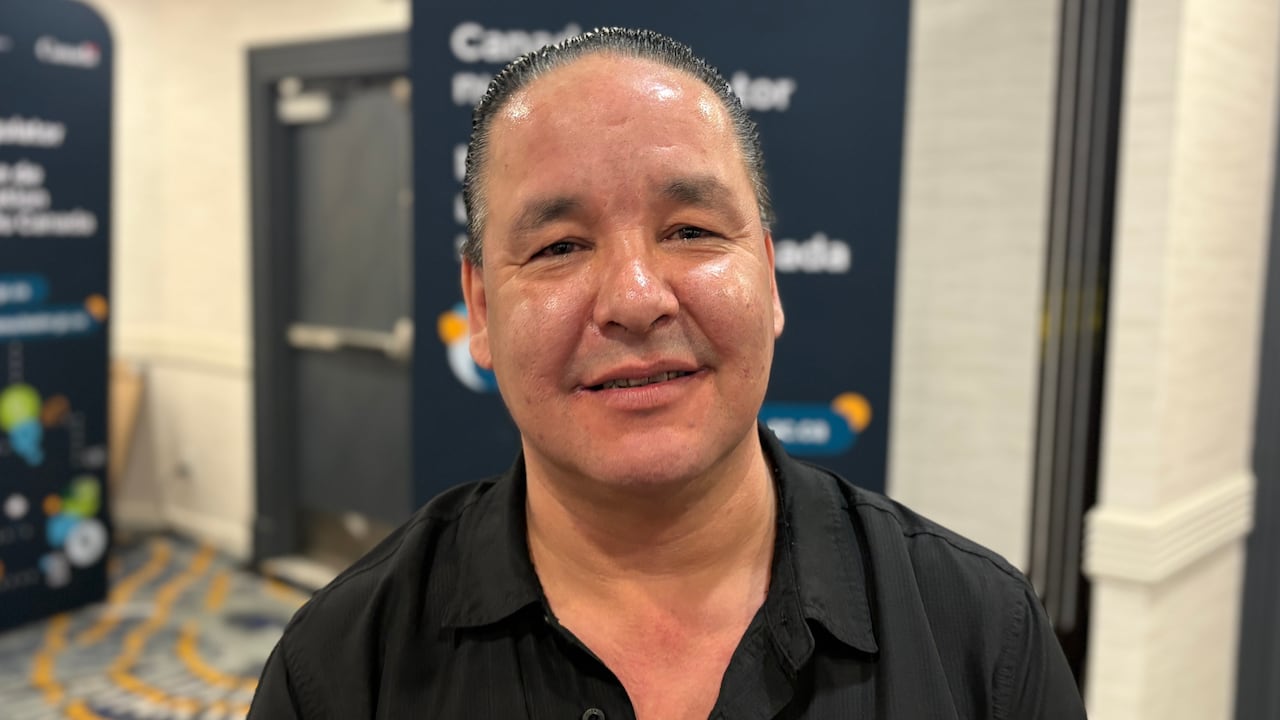 Keith Shewchuk lives in La Loche and is president of Métis Nation-Saskatchewan Local 39. (Jeremy Warren/CBC)
NexGen has been working with locals for years ,and the area is starting seeing economic spinoffs, Shewchuk said.
“We already have a workforce ready to go, because we have been training people for the past two years — getting safety tickets, supporting scholarships through the high school, little initiatives like that to help prepare people for what’s to come,” Shewchuk said.
“There’s a lot of things that are just happening very fast right now, and that’s what makes it exciting.”
NexGen isn’t the only company looking to join Cameco Corp. as a uranium producer in Saskatchewan.
Last month, the commission granted Denison Mining Corp.’s Phoenix project — an in-situ uranium mine also in the Athabasca Basin — a licence to start building its mine and mill, which the company said would start this month.
Cameco just inked a nine-year, $2.6 billion deal to supply India with 22 million pounds of uranium beginning in 2027.
Trade and Export Minister Warren Kaeding told reporters in Regina that NexGen’s mine will boost the local economy.
“[Mining] is one of their key areas of good, high-value jobs and career training opportunities,” Kaeding said.
“To have another facility like NexGen approved and literally ready to put shovels in the ground tomorrow, I think it’s gonna be an incredible opportunity for our northerners and northern communities in that area.”
According to the Saskatchewan Mining Association, uranium mining employs more than 2,300 people in the province, and 49 per cent of people working in northern uranium mines are residents of the north.
The Canadian Nuclear Safety Commission held public hearings in Saskatoon in February to inform its licensing decision. Hearing submissions from NexGen, communities and individuals are publicly accessible through the commission’s website.