
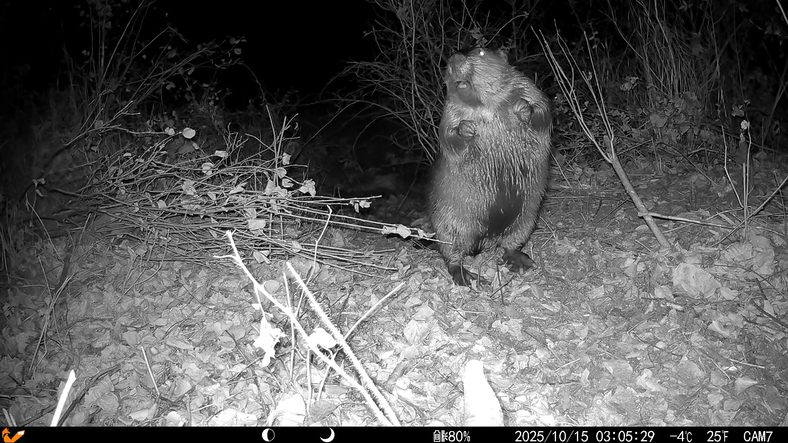
Beavers are ecosystem engineers, transforming the landscape by building dams.
They do this as they need deep water to build their homes, known as lodges, in. The dams raise the water levels of a river, with the lodges providing a safe shelter from predators.
It can be seen from space, is the equivalent to 8 football fields and could be 45 years old – but we have no idea how many families call it home…
US officials parachuted 76 beavers into the Idaho wilderness – then something astounding happened
By doing this, beavers can prevent flooding and soil erosion – and studies have shown that in areas where beavers thrive, surrounding vegetation was more resilient to wildfires.
And the biggest beaver dam in the world can even be seen from space.
Looking for beavers? These are the tell-tale signs that a beaver is nearby
How beavers are helping us fight climate change – one dam at a time
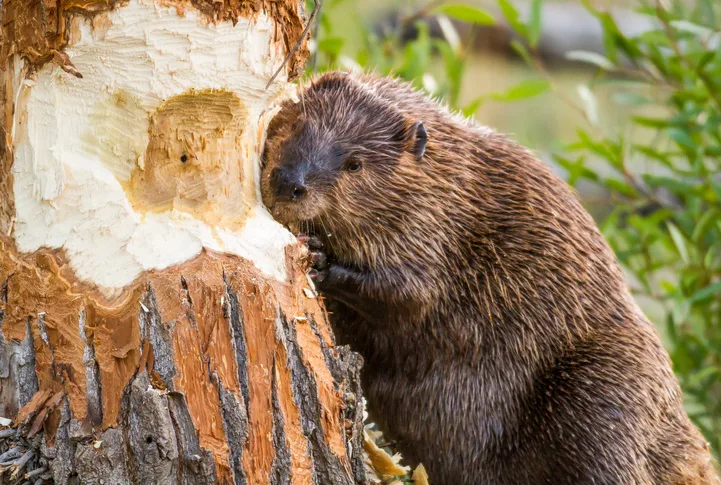 Trees provide beavers with food and shelter, but felling them also increases sunlight levels in the woodland’s undergrowth – Troy Harrison/Getty Images
 When coppiced, willow has a rapid amount of regrowth – noemie lang/500px/Getty Images
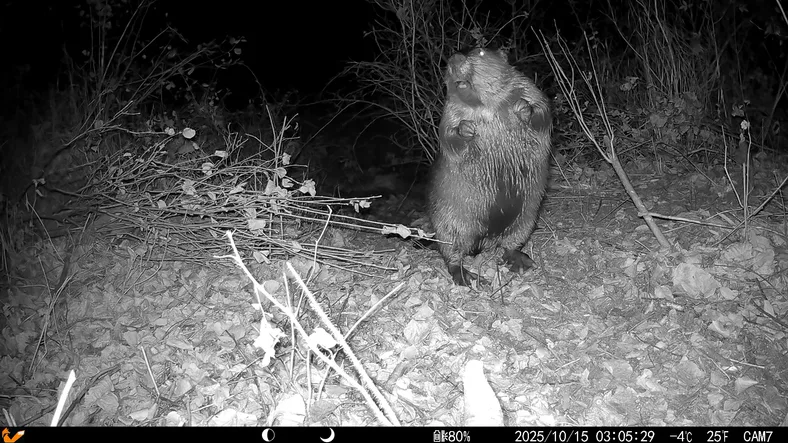 Beavers are mostly nocturnal but can be seen in the daylight if undisturbed – Glen Stromquist/Getty Images
If living on rivers, beavers may build bank dens to shelter in. Credit: John Downer Productions/Getty Images
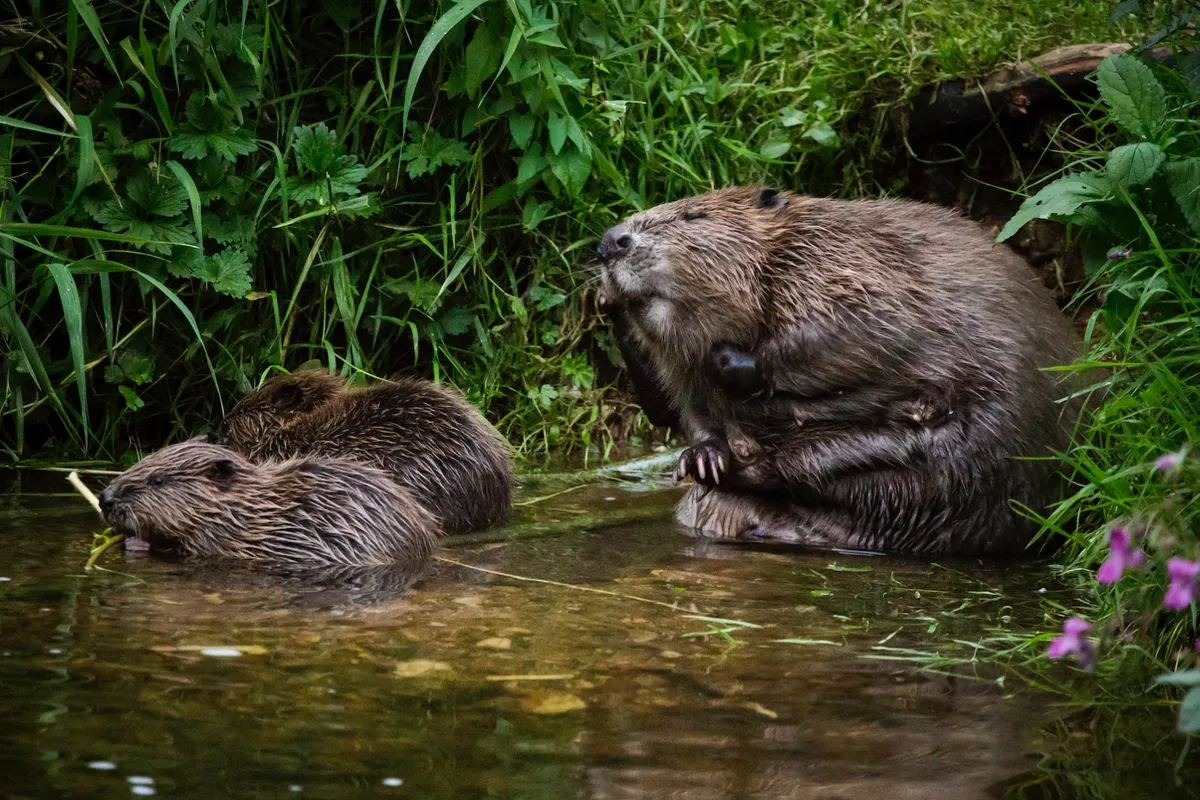 Young beavers are called kits – Cavan Images/Getty Images
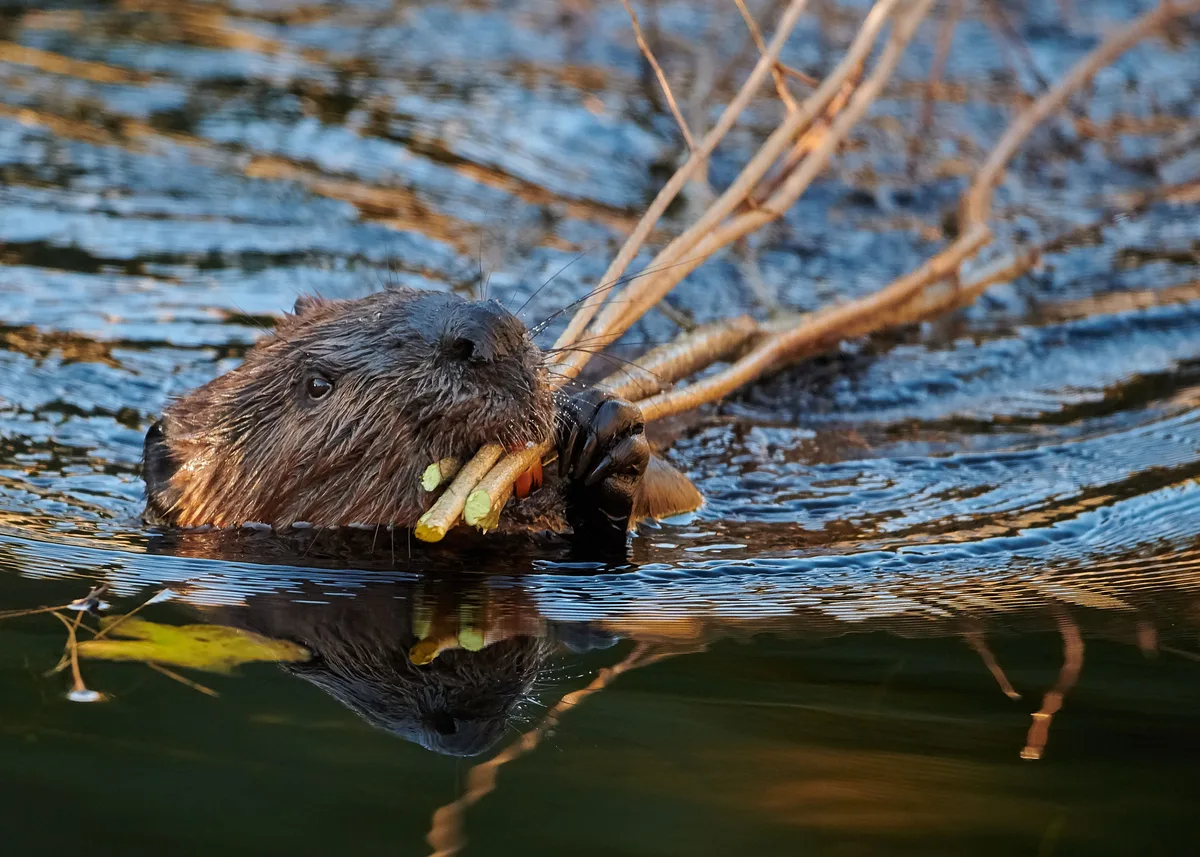 Beavers have iron in their tooth enamel which strengthens them – as well as make them appear orange – Wirestock/Getty Images
 The wet habitats that beavers create hold carbon from the atmosphere – Morgan Trimble/Getty Images
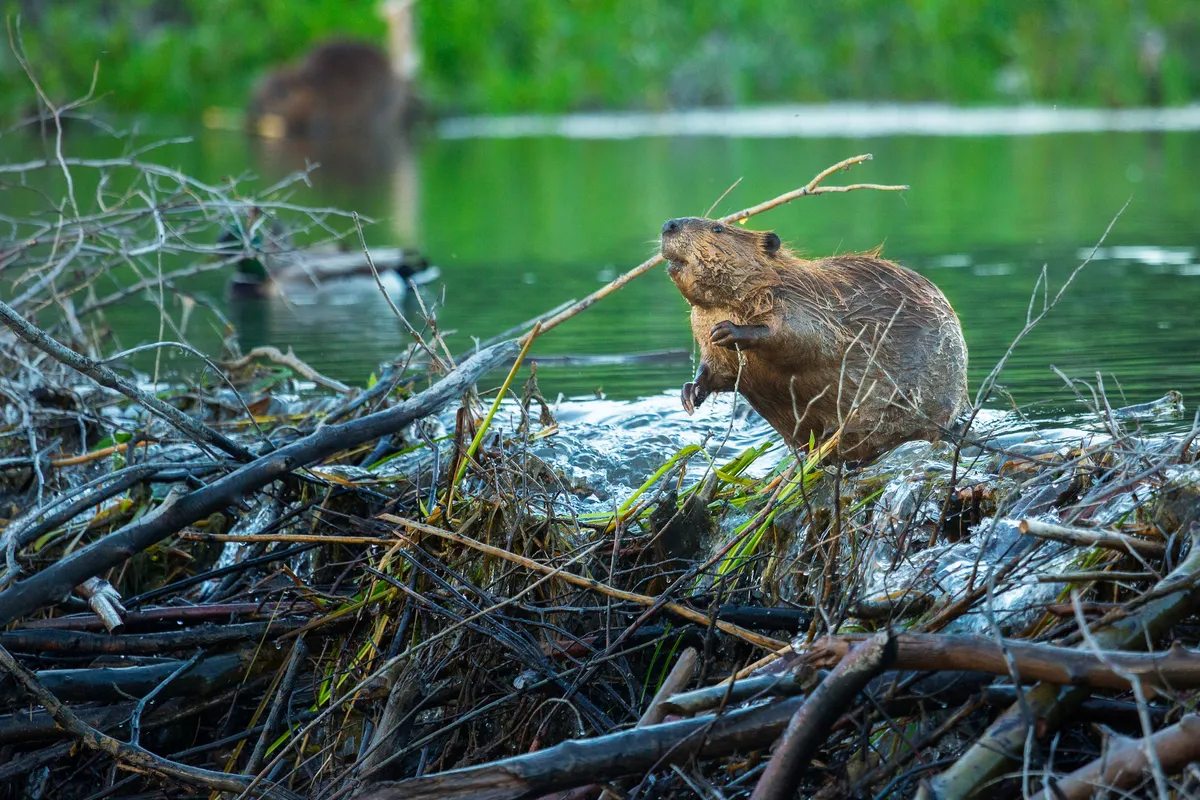 Beavers are found in freshwater habitats across the Northern Hemisphere – Chase Dekker/Getty Images
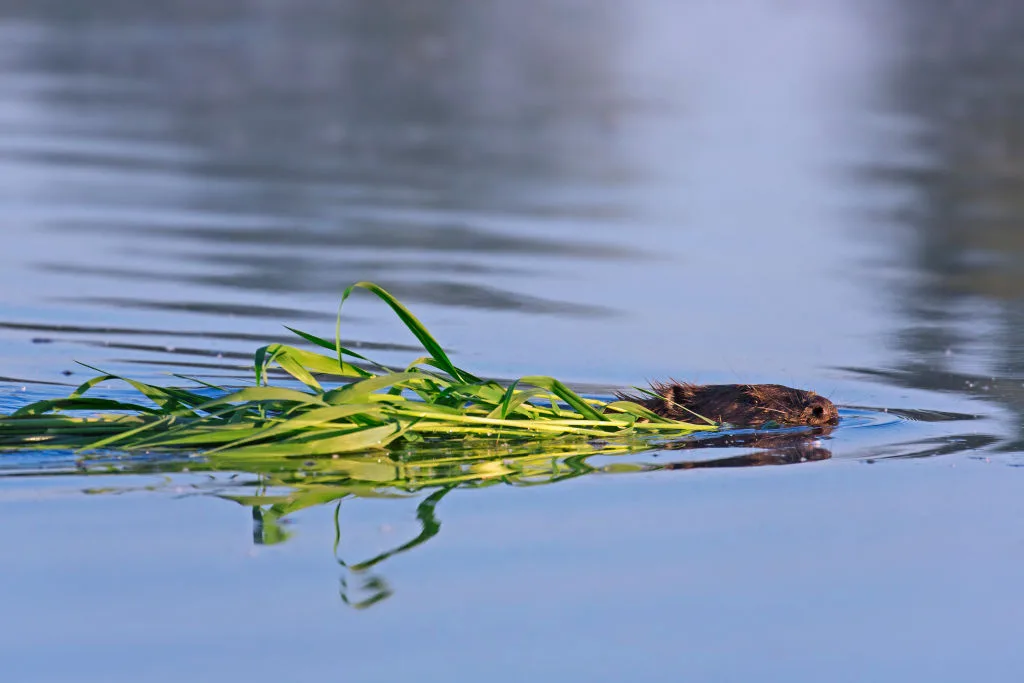 There are two extant beaver species: the Eurasian beaver and the North American beaver – Arterra/Universal Images Group/Getty Images
Beavers are one of Yellowstone National Park’s native species. Credit: BBC Natural History/Getty Images