
In the last few weeks, we’ve been running a really exciting and important series for our Cyclingnews subscribers, focusing in on women’s health in cycling. As we head towards International Women’s Day, I wanted to tell you a little bit more about the series, and give you the chance to read stories unlocked and for free this weekend – more on that below.
The idea of running a series on women’s health is something that predates my time at Cyclingnews, and is something the team here has been wanting to do for a long time. CN has never shied away from covering women’s issues in the sport, and we’ve covered various topics relating to rider health, RED-S and disordered eating in the past, but it’s long felt like there was space to go deeper.
You may like
Many issues are treated as unisex, but we know now that when it comes to biology, very, very little is – be it nutrition, mental health, hormones, or anything else. Female athletes face their own specific set of challenges and circumstances, and it’s in the interests of everyone to know more about that.
What to read next
Cyclingnews’ women’s health series
For today, we have specially unlocked some of our women’s health series, so those that haven’t had a chance to read them yet can dive in and get a feel for the series. If you enjoy what you read, please consider taking out a paid subscription – you’ll be able to read the full series, plus our Labs testing content, in-depth features, pro columns and more.
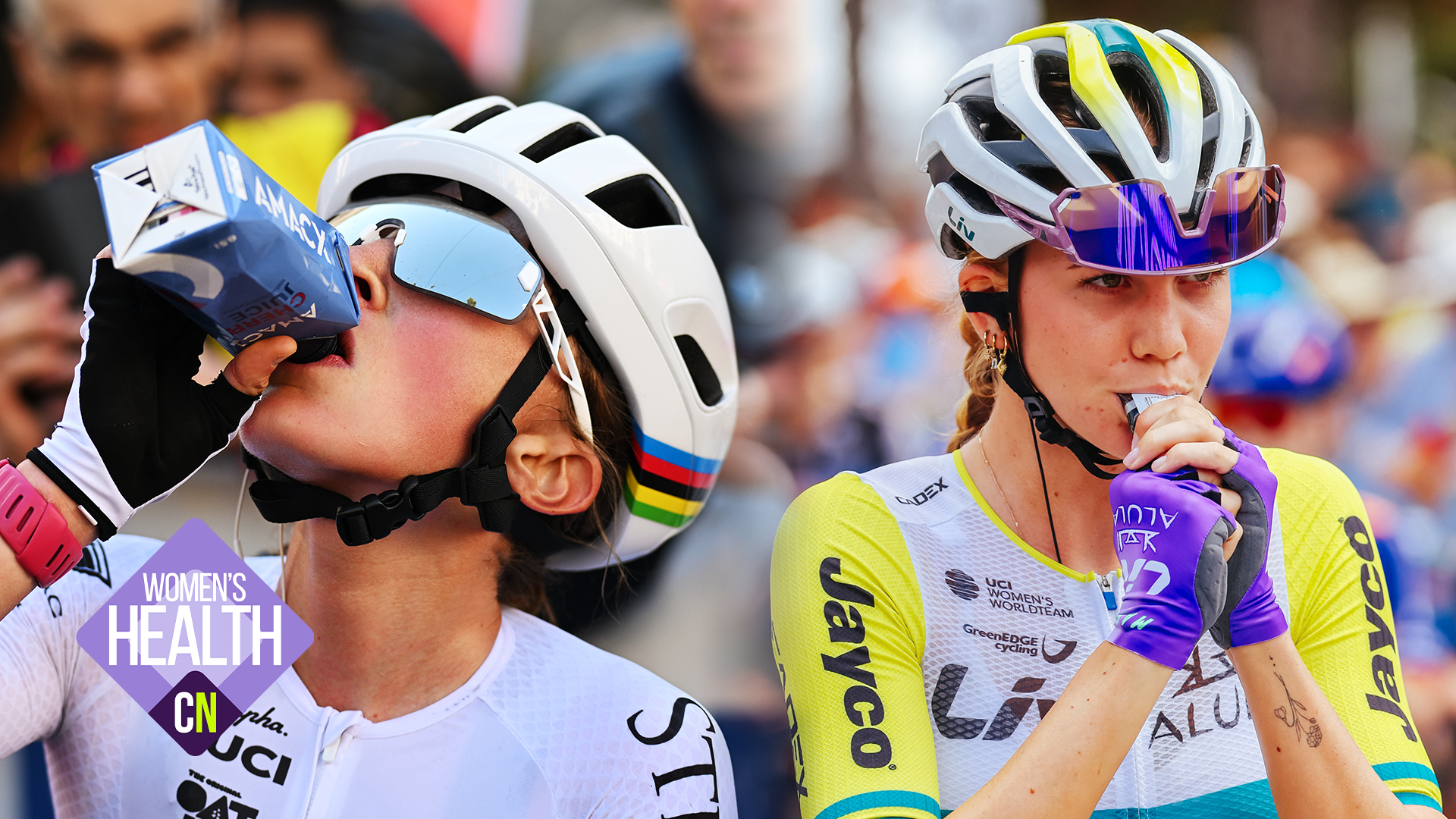
(Image credit: Dario Belingheri & Chris Putnam/Getty Images)
In an in-depth interview with Cyclingnews, Dr Heather Logan Sprenger, a researcher and scientific advisor specializing in physiology, nutrition and exercise science, highlights the key nutritional factors female cyclists should consider when training and racing at the highest level to optimise adaptation, performance and health.
(Image credit: Getty Images/Illustration by Michael Rawley)
Featuring insight from The Well HQ’s Jo Perkins, doctoral researcher and AG Insurance-Soudal female health expert Meg Smith, and former pro Ane Santesteban, we lift the lid on the effect menstrual conditions can have on pro cyclists.
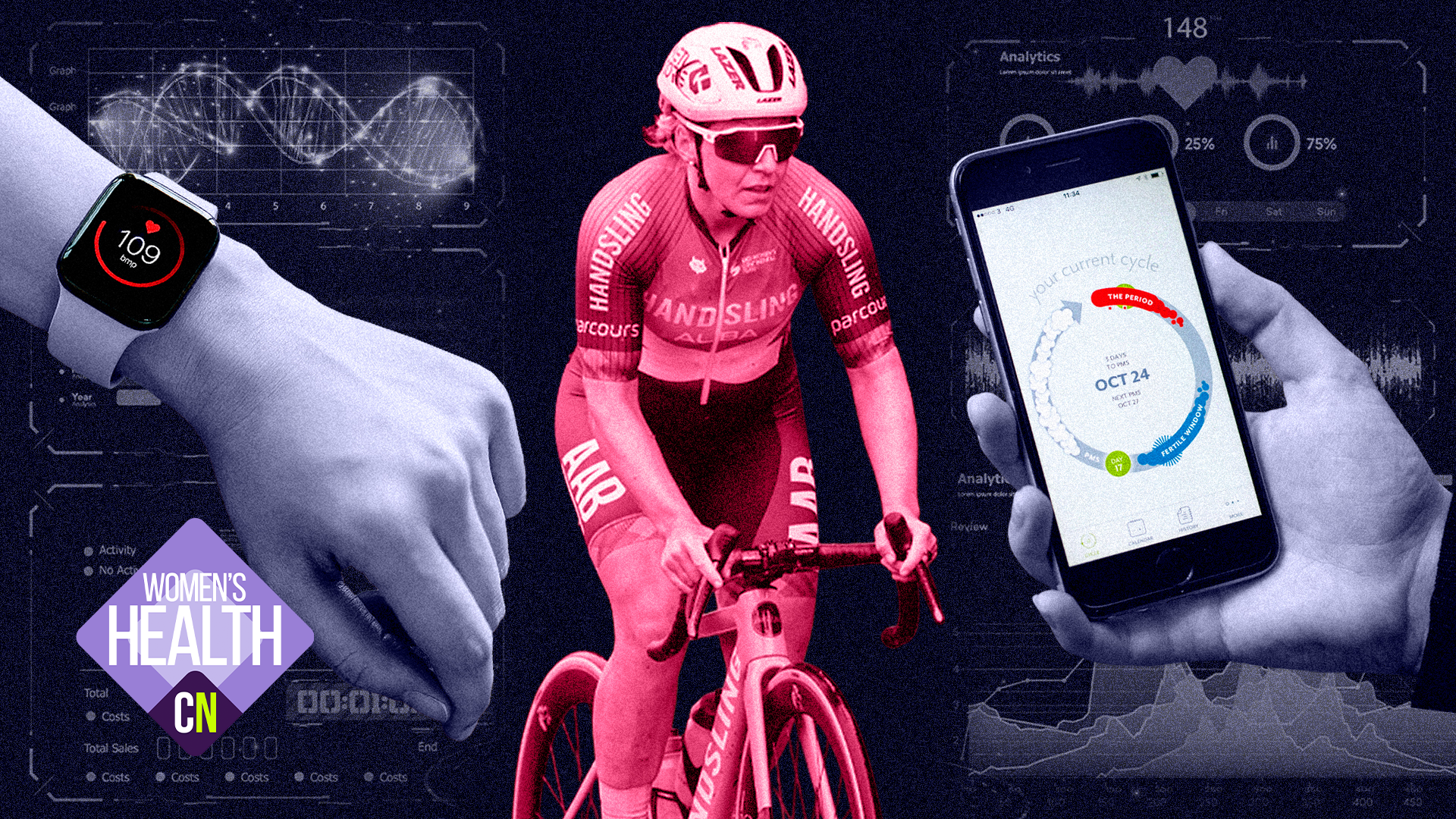
(Image credit: Getty/Shutterstock)
As health-tracking technology becomes ever-present in cycling, how are female cyclists using it to monitor their health, and is all this data actually beneficial to fine-tuning our training? We hear from pro rider Neah Evans about how she uses tracking and data.
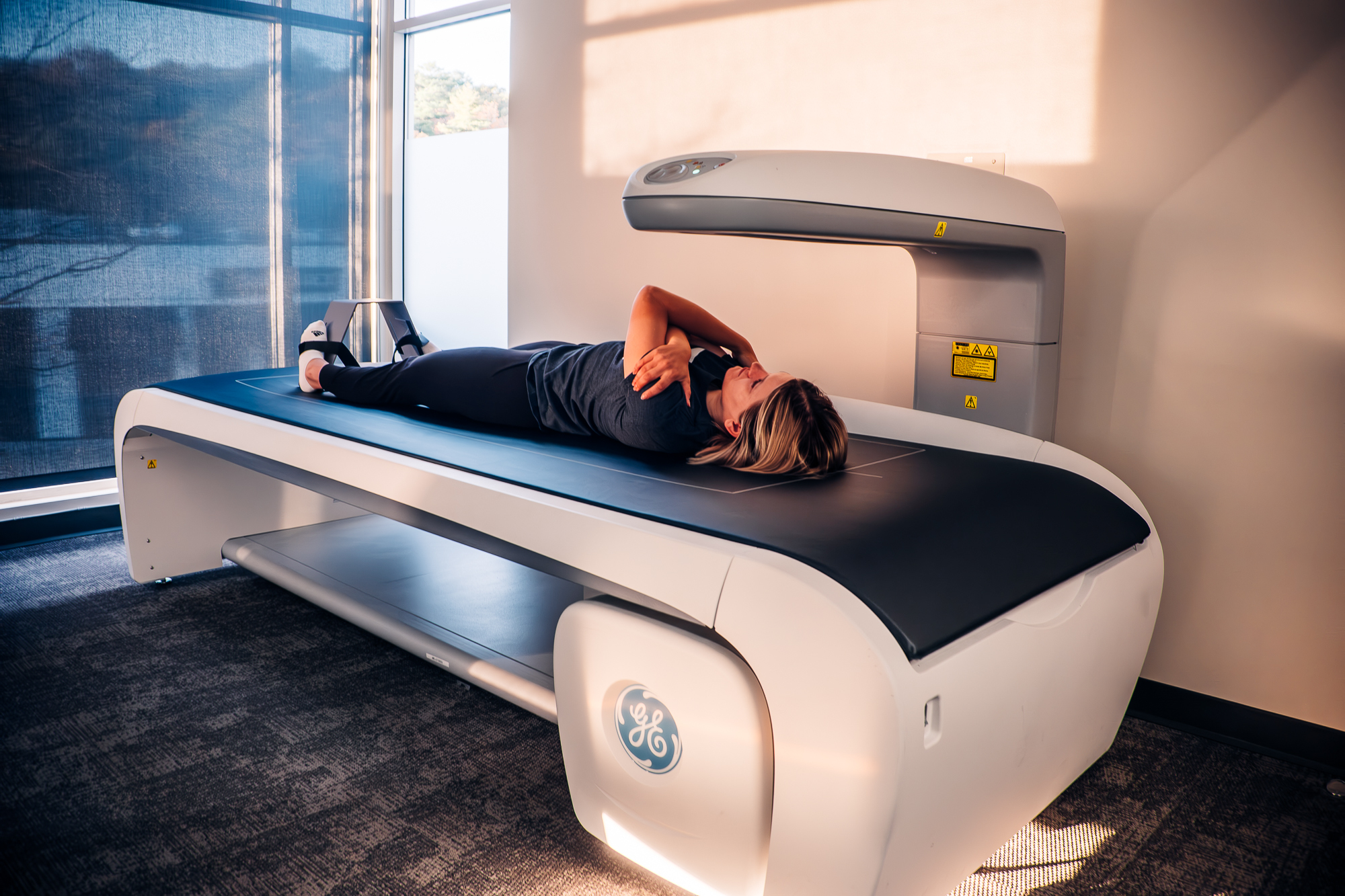
A rider undergoes a DEXA scan at the Human Powered Health lab (Image credit: Human Powered Health)
Although bone density can be a serious concern for men, it is even more so for women who face a normal drop in bone density during menopause when estrogen levels drop. Osteoporosis can predispose sufferers to fractures, especially of the wrist, hip and spine, which can be debilitating and not what active adults who want to keep exercising for their health want. We found out how teams like Human Powered Health are working to combat this problem.
More about women’s health
To mark International Women’s Day 2026, Cyclingnews is proud to be shining a light on the many women with inspiring stories from across the sport. Subscribe to Cyclingnews for our unrivalled women’s cycling coverage, and much more. Find out more.