
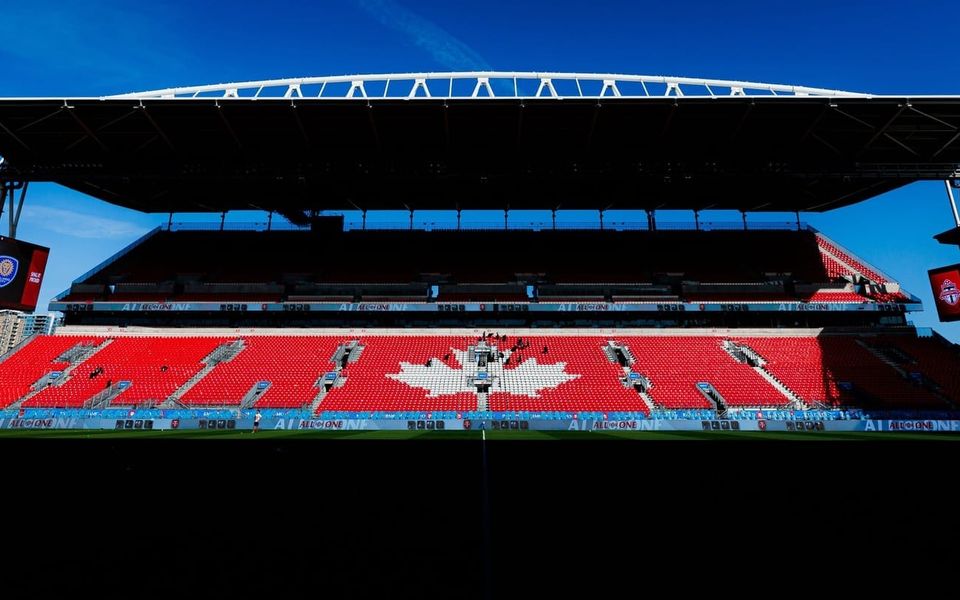
As the 2026 FIFA World Cup reaches the 100-day milestone before its June 12 kickoff, host cities Toronto and Vancouver have moved into the final stages of operational preparation. In Toronto, the occasion was marked Tuesday evening with a community celebration at the Rebel nightclub, where cultural programming and exhibits centered on the “The World in a City” theme highlighted the nations scheduled to compete in the city’s six tournament matches.
While the festivities signal a shift toward public engagement, municipal authorities in both cities are focused on the logistical synchronization required for the largest sporting event in their respective histories. Toronto, which will host the tournament’s first men’s match on Canadian soil, is currently finalizing a $146 million renovation of BMO Field. Temporarily rebranded as Toronto Stadium for the duration of the tournament, the facility is undergoing a significant expansion to increase seating capacity to the 45,000 threshold required by FIFA. The total cost to host the Toronto matches is estimated at $380 million, a figure covered by a multilevel funding agreement between the federal, provincial and municipal governments.
On the West Coast, Vancouver is preparing for a larger tournament footprint, with seven matches scheduled at BC Place. The city’s preparations involve a $196 million upgrade to the stadium, including enhanced elevator capacity, revamped hospitality areas, and the installation of a natural grass field, with work on the pitch scheduled to begin in late April. According to provincial government estimates, the total cost for Vancouver’s hosting duties ranges between $532 million and $624 million. These figures incorporate extensive investments in security, transportation, and public safety infrastructure, including the temporary installation of surveillance cameras near BC Place and the FIFA Fan Festival site at the PNE Amphitheater.
The two host cities are coordinating their strategies to provide a cohesive experience for international visitors. In Toronto, transit authorities continue to conduct stress tests on the Bathurst streetcar line to manage the expected surge in pedestrian traffic moving toward Exhibition Place. Simultaneously, Vancouver organizers are finalizing volunteer recruitment and traffic management plans to accommodate an estimated 25,000 visitors daily at its fan festival site.
As the countdown clock proceeds toward the opening match in June, both host committees have emphasized that the primary objective of this final phase is the integration of infrastructure projects with public-facing operations. For municipal leaders, the challenge now lies in ensuring that these capital improvements – from stadium seating to transit frequency – function reliably under the scrutiny of an international audience, while managing the substantial fiscal commitments made by all levels of government.
Demetris Vohaitis is a journalist based in Toronto.