
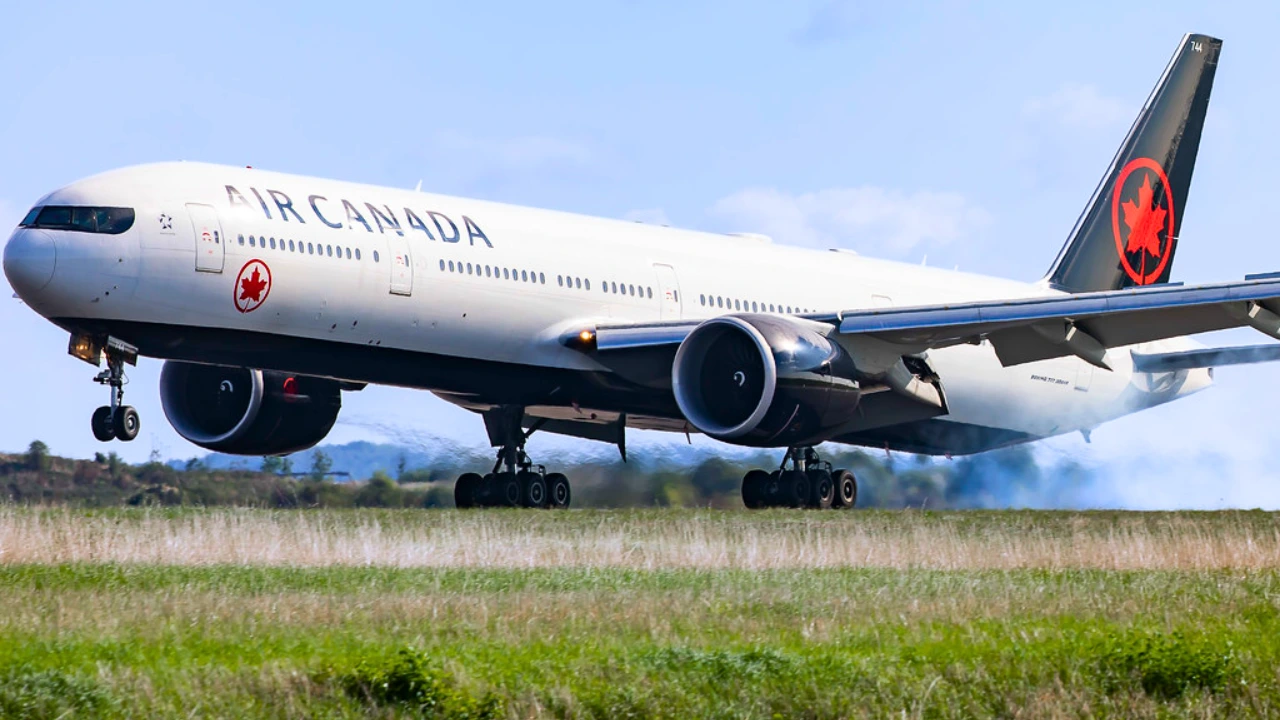
TORONTO- Air Canada (AC) has temporarily increased capacity on one of its longest international routes, adding a second daily nonstop flight between Toronto Pearson International Airport (YYZ) and Indira Gandhi International Airport in Delhi (DEL). The move briefly doubles the airline’s service on a route that already ranks among the longest in its global network.
The additional frequency operates during a limited window in March and allows the airline to accommodate growing passenger demand between Canada and India. Flight durations on the sector can reach approximately 16 hours and 35 minutes, depending on operational conditions and routing constraints.
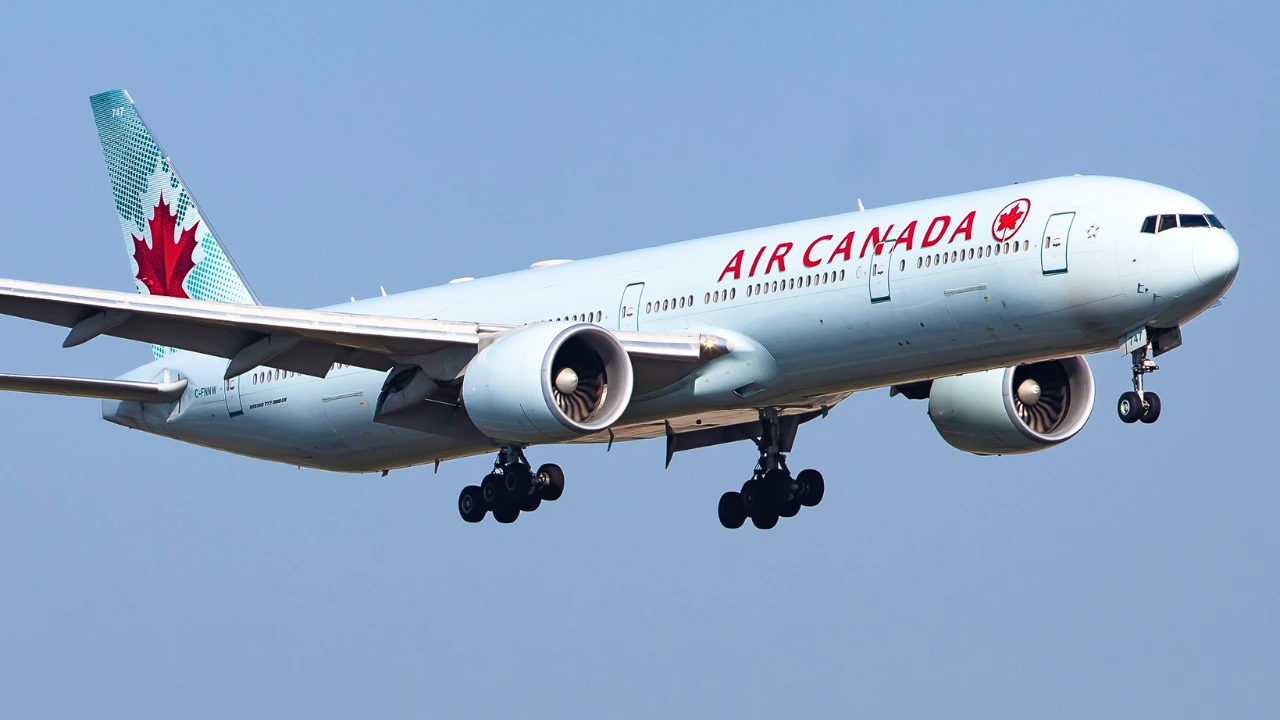 Photo: Clément Alloing
Air Canada Doubles Toronto to Delhi Flight
Air Canada introduced the temporary second daily flight between March 7 and March 21. The additional service increases total capacity on the route while airlines adjust schedules across several international markets.
The carrier operates both daily flights using the Boeing 777-200LR, a long-range aircraft specifically designed for ultra-long-haul operations. This aircraft allows the airline to maintain nonstop connectivity between Toronto and Delhi even when a longer routing is required.
Under the revised schedule, one flight departs Toronto in the evening and arrives in Delhi the following night. The additional service leaves later in the evening, providing travelers with more departure options and improving flexibility for long-haul itineraries.
The return flights from Delhi depart late at night and arrive in Toronto early the following morning. Turnaround times in India remain relatively short at roughly 90 minutes before aircraft begin their return journeys to Canada.
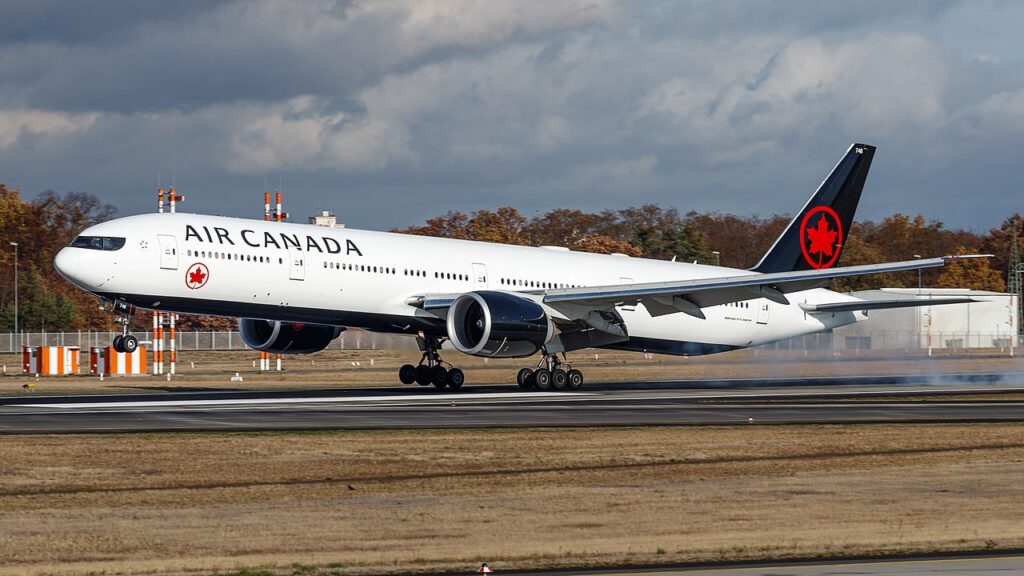 Photo: By TJDarmstadt – C-FJZS Air Canada B777-300ER, CC BY 2.0, https://commons.wikimedia.org/w/index.php?curid=99703361
Passenger Demand Surge on the YYZ-DEL Route
The Toronto–Delhi travel corridor represents one of the largest passenger markets linking North America and India.
According to Simple Flying, booking data from 2025 shows that approximately 660,000 round-trip passengers traveled between the two cities during the year.
This figure equals more than 1,800 travelers per day when both nonstop and connecting passengers are included. The scale of the market explains why airlines continue to increase capacity whenever operational conditions allow.
Popular connection points for passengers traveling indirectly include London Heathrow, Dubai, Abu Dhabi, Addis Ababa, and Warsaw. These hubs serve as important transit gateways for passengers traveling between North America and South Asia.
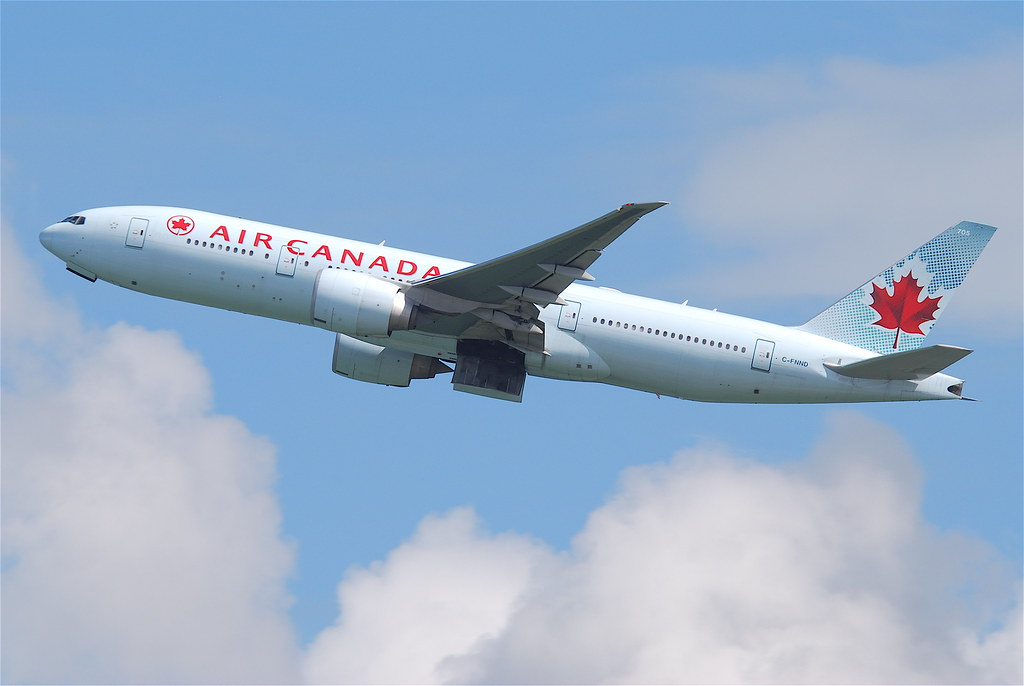 Photo: Aero Icarus | Flickr
Connecting Passenger Traffic
Air Canada’s network structure also plays a key role in supporting the Toronto–Delhi route. A significant portion of passengers on the flight connect to or from other destinations through Toronto Pearson Airport.
Passenger booking data suggests that nearly half of travelers on the route continue to another destination rather than ending their journey in Toronto. The airline’s extensive domestic network allows travelers from multiple Canadian cities to access the long-haul service.
Cities such as Winnipeg, Edmonton, Calgary, Vancouver, Halifax, Regina, Montreal, Saskatoon, Phoenix, and Ottawa represent key feeder markets. Travelers from these locations connect through Toronto before boarding the nonstop flight to Delhi.
Approximately 195 passengers per day are estimated to transfer between the Delhi flight and other Air Canada services. This connecting traffic strengthens the route’s commercial performance and allows the airline to maintain high passenger loads.
Air Canada continues to operate the route alongside other airlines serving the Canada–India corridor. Air India also runs multiple flights on the sector using Boeing 777-300ER aircraft, providing additional nonstop capacity.
Stay tuned with us. Further, follow us on social media for the latest updates.
Join us on Telegram Group for the Latest Aviation Updates. Subsequently, follow us on Google News