
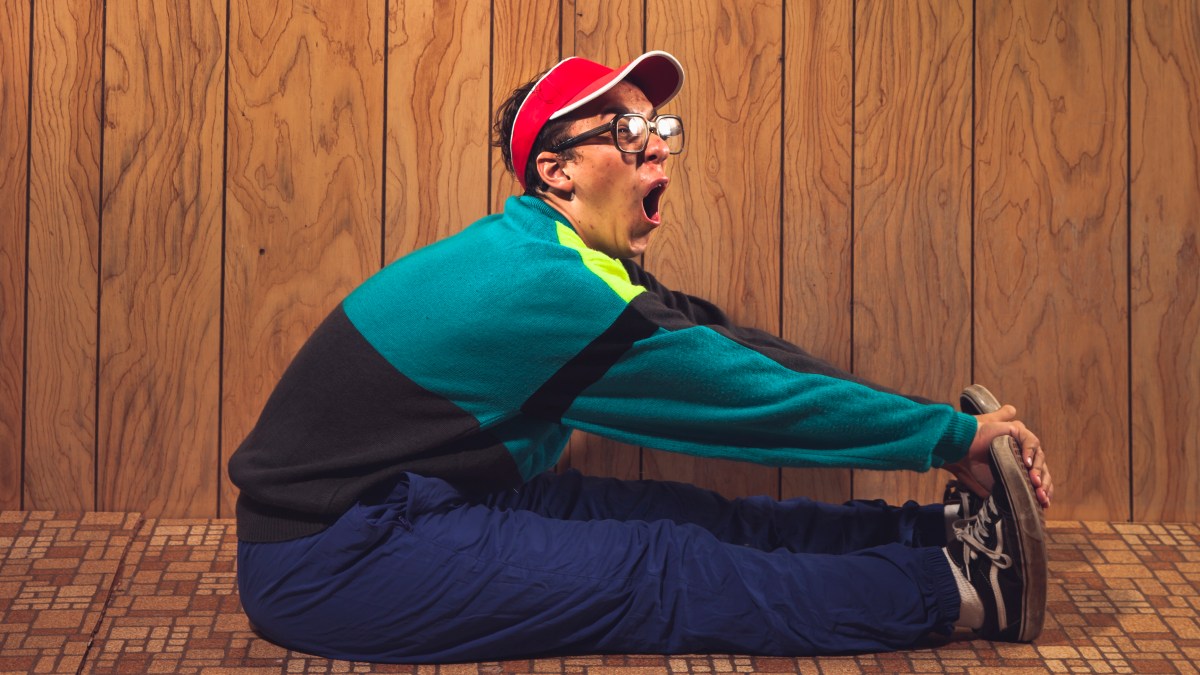
You might not put much more thought into what you chuck into your gym bag than what passes the sniff test, but kit can be crucial. The right clothes and footwear can help you feel not just comfortable and supported but boost motivation, help you move more freely and enable your instructor see what you’redoing right and wrong.
It’s not one size fits all
“I really dislike zips or heavy seams in leggings for Pilates,” says the trainer Louisa Drake. They might be useful for higher-impact exercise, as the heavier fabric helps hold muscles in place and prevent fatigue, “but they tend to dig in when you’re rolling on your spine or lying supine”.
Aimee Victoria Long, a personal trainer, says high-waisted leggings with a degree of compression can “make or break” an HIIT workout: “They should feel supportive without digging in, and not slip down through squats and lunges.”
• The best new workout kit for spring, from £9
Baggy or tight?
Workout clothes don’t have to be skin-tight, but most personal trainers agree that, no matter the discipline, it’s best to wear something fitted. In Pilates and yoga, when you’re bending over, a loose top can fall down and block your view, so you can’t see what shape you’re holding. Tighter clothes also give your instructor a clear sight of the line of your body, so they can assess posture, joint alignment and movement. “Loose or baggy clothing hides key details and it can interfere with lifts such as pull-ups or chin-ups,” says Lucy Joslin, a calisthenics instructor.
Seasoned joggers will be painfully aware of the following point: the more easily fabric can move and rub your skin, the more you’re likely to chafe.
Get the fabric right
Drake recommends softer, more flexible fabrics such as nylon for lower-impact activities, while Long advises moisture-wicking blends that include nylon and Lycra for higher impact: “Skip cotton — it holds sweat and can cause chafing,” she says. Or try bamboo — a breathable, sweat-wicking fabric that is more sustainable.
• The best buys for updating your workout kit
The shoe that fits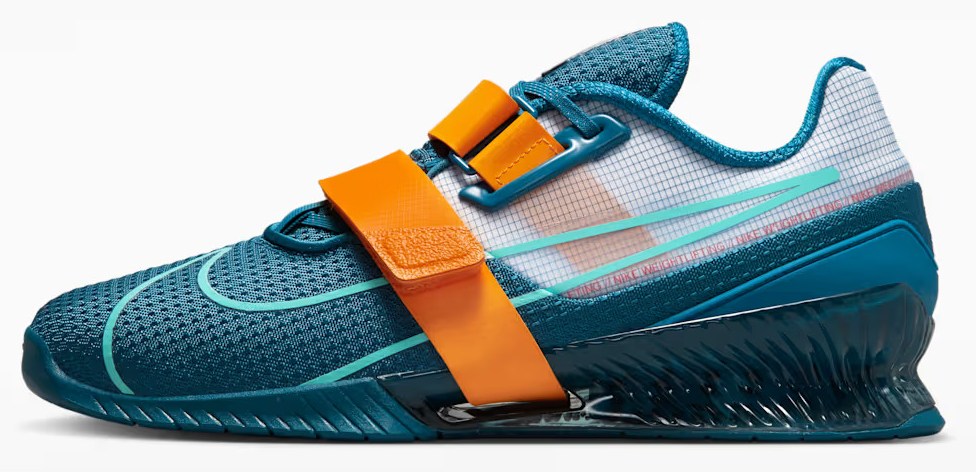
Yes, trainers are expensive but sadly you do need different pairs for different types of exercise. “Running shoes are designed for forward motion and cushioning, which makes them unstable for weight-lifting,” says Joslin. “Training or gym shoes have flatter, firmer soles that provide better stability for strength work, balance and lateral movements such as side lunges.” Make sure you replace worn-out pairs. For running, a good rule of thumb is to change them every 300 to 500 miles.
Get a grip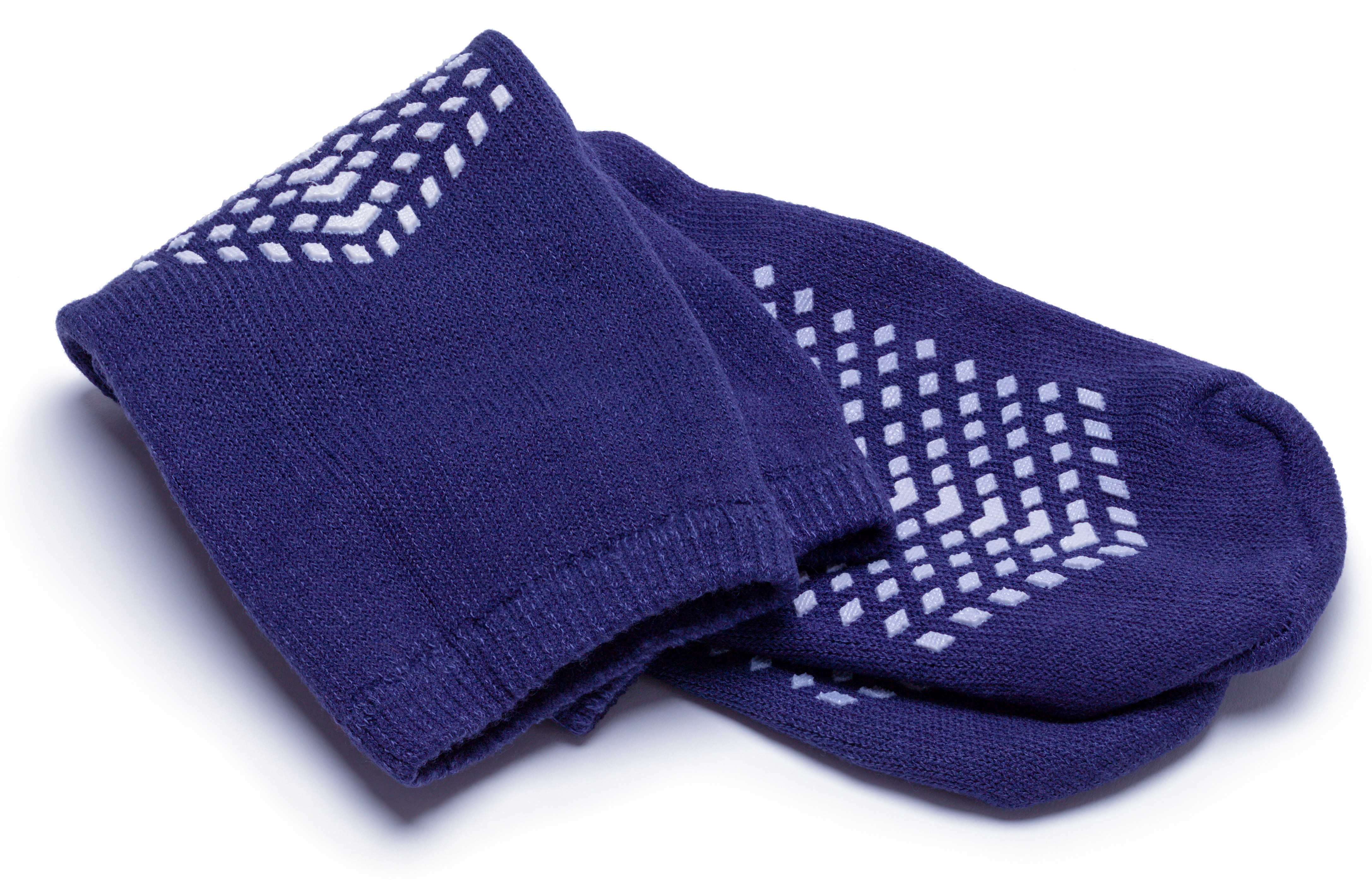
You might think they’re a con to get you to spend more at the studio, but grippy socks, with rubber sticky spots on the sole, can stop you slipping and improve performance. “The grip encourages your foot to engage, which improves your subconscious awareness of body position,” Drake says. “And it helps when you use the small stabilising muscles of the foot, ankle and lower leg — vital for Pilates and barre.”
Gloves off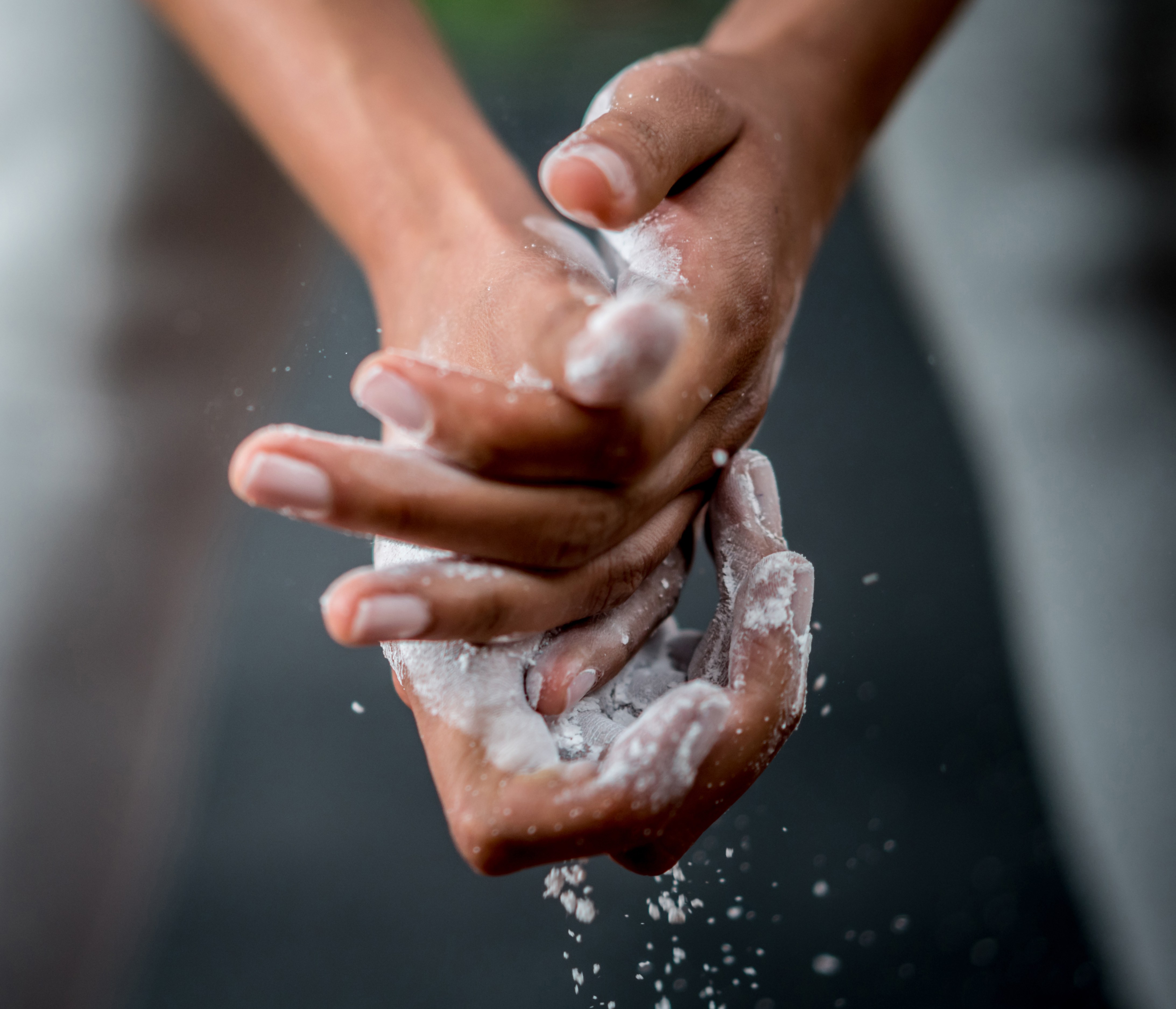
You might have seen classmates in fancy fingerless gloves for Body Pump barbell workouts but, Joslin says, there’s really no need. “Gloves can be useful for comfort, but hands and chalk are better for weight training and calisthenics,” she says. “Developing calluses improves grip strength, resilience and connection with the bar, while chalk gives you better grip and makes it easier to feel what you’re doing.”
• Workout wear for women: fitness pros reveal their best gym kit
Don’t wash your kit too often
Think about your gym kit as you would your hair: if you’ve barely broken a sweat, it will be fine for another day. However, if you’re drenched, washing your kit will help prevent skin conditions such as acne and folliculitis as well as stop you smelling. But the more you wash wicking fabrics, the less effective they become. To stop the technical fibres breaking down, avoid fabric softeners and wash at 30C.