
Key Takeaways
Creatine supplements may slightly affect blood pressure, but research is mixed—some studies show small reductions, while others find no change or slight increases.Healthy adults typically tolerate moderate creatine use well, though people with hypertension or kidney disease may face higher risks.Standard daily doses of 3 to 5 grams are considered safe, while higher doses offer no added benefit and can increase side effects.
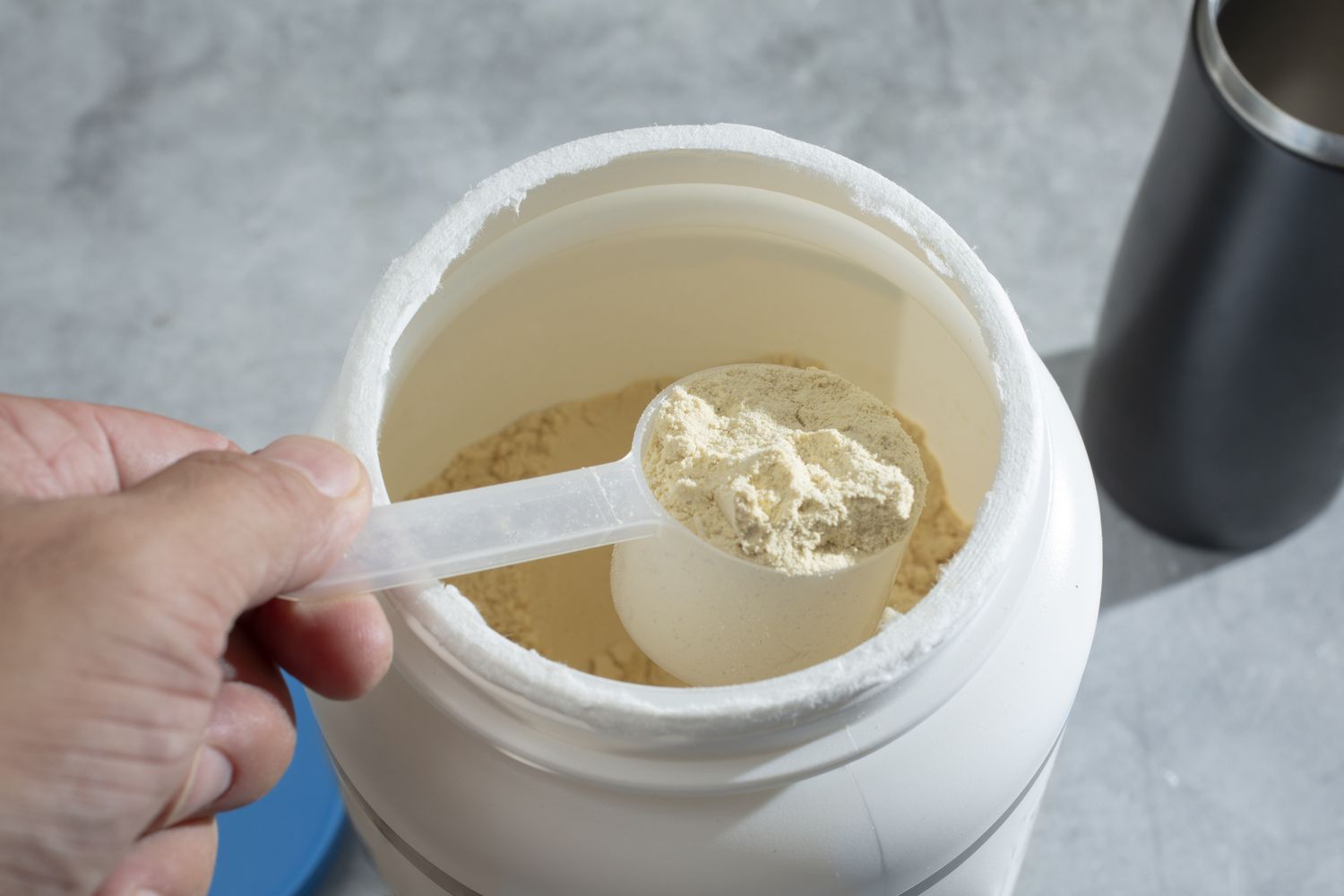
Creatine supplements, typically used to boost athletic performance, may affect blood pressure in certain people. Even so, study results are mixed, with some suggesting that creatine can help lower blood pressure, while others have found that it has no effect or may even raise blood pressure.
How Creatine and Blood Pressure Are Linked
Although research indicates that creatine supplements may influence blood pressure, results are often mixed. In some individuals, creatine may lower systolic (upper) and diastolic (lower) blood pressure. However, in other cases, it may have no impact or could lead to an increase in blood pressure.
Overall, the effect of creatine on blood pressure is generally minor, but it may still be important for some individuals to monitor.
Studies Showing Potential Benefits
Creatine supplements may positively affect blood pressure through antioxidant effects. They may reduce oxidative stress, increasing the size, flexibility, and reactivity of blood vessels, which can modestly lower blood pressure.
These antioxidative properties may also decrease arterial stiffness linked to atherosclerosis, a leading cause of hypertension in adults. Key findings include:
Healthy, young males: A 2014 study from Brazil found that physically active young men (median age 28) experienced a slight drop in blood pressure after taking 20 grams of creatine for seven days. This was linked to increased vascular density and reactivity.Older adults: A 2024 study noted that older men (median age 71) given a daily 20-gram dose of creatine saw a slight drop in systolic blood pressure, while those given a placebo showed no change. However, the drop was deemed statistically insignificant.
Studies Showing No Effect
Research suggests that creatine supplements are usually safe for healthy adults, with minimal impact on blood pressure.
Research highlights include:
Bodybuilders: A 2017 study showed that long-term creatine use (up to 15 grams daily) among bodybuilders increased resting heart rate by about 14% but did not affect blood pressure.Athletes: A 2018 study reported no effect on blood pressure from creatine supplements among 45 young adults doing high-intensity resistance training. There was also no evidence of reduced vascular stiffness or increased vascular reactivity.
Studies Showing Potential Harm
In some people, creatine supplements might end up increasing blood pressure, particularly those with pre-existing hypertension (high blood pressure) or kidney disease.
This is because high levels of ATP can overstimulate the sympathetic nervous system, causing the narrowing of blood vessels (vasoconstriction) and an associated increase in blood pressure.
Research shows:
Adult males: A seven-year study involving 3,135 adults (median age 49) found that persistently high creatine levels increased the risk of hypertension by 26% in males, but did not increase the risk in females.People with hypertension: A 2019 review of studies reported that persistently high creatine levels increase the risk of hypertension and are also linked to a four-fold increased risk of treatment failure for people on antihypertensive therapy.
What Is Creatine Used For?
Creatine is made from amino acids and converted by the body into adenosine triphosphate (ATP), an energy source. ATP supports muscle contraction and influences the sympathetic nervous system, which regulates blood pressure.
Your body produces about half of its creatine through the liver, kidneys, and pancreas. The rest comes from food sources like red meat, shellfish, and dairy.
Creatine supplements are a synthetic form of creatine produced in a lab. They provide a concentrated dose far above the 1 gram your body naturally produces each day.
When combined with resistance (strength) training, creatine supplements may help:
What Creatine Dosage Is Safe?
Creatine monohydrate, the most common creatine supplement sold in the U.S., is generally regarded as safe for healthy adults by the U.S. Food and Drug Administration (FDA).
There are no established guidelines for the appropriate use of creatine supplements, but daily doses between 3 and 5 grams are generally recommended.
Loading up on a higher dose has not been shown to be any more effective over the long term than taking a standard 3- to 5-gram dose. Doing so simply saturates your muscles with creatine faster, but can also lead to side effects like bloating, stomach upset, weight gain, and diarrhea.
Who Shouldn’t Use Creatine Supplements?
In certain groups, creatine should be avoided or used with extreme caution, including people with:
Kidney disease: Creatine can increase blood creatinine levels, putting strain on the kidneys. Taken at very high doses, it can lead even to kidney failure in those with underlying chronic kidney disease.
Hypertension: High creatine use can make existing hypertension harder to treat. It can also put strain on the kidneys, which contributes to hypertension.
Bipolar disorder: In addition to muscles, some creatine is absorbed by the brain. While this effect may be beneficial in some people, improving attention and memory, it can trigger a manic episode in people with bipolar depression.
Due to the lack of safety research, creatine should not be used in children or adolescents under 18 or in people who are pregnant or breastfeeding.
Verywell Health uses only high-quality sources, including peer-reviewed studies, to support the facts within our articles. Read our editorial process to learn more about how we fact-check and keep our content accurate, reliable, and trustworthy.
De Moraes R, Van Bavel D, De Moraes BS, Tibiriçá E. Effects of dietary creatine supplementation on systemic microvascular density and reactivity in healthy young adults. Nutr J. 2014;13(1):115. doi:10.1186/1475-2891-13-115
Aron A, Landrum EJ, Schneider AD, Via M, Evans L, Rawson ES. Effects of acute creatine supplementation on cardiac and vascular responses in older men; a randomized controlled trial. Clin Nutr ESPEN. 2024 Oct;63:557-563.
Mert K., Ilgüy S., Dural M., Mert G., Ozakin E. Effects of creatine supplementation on cardiac autonomic functions in bodybuilders. Pacing Clin Electrophysiol. 2017;40 doi:10.1111/pace.13096
Aubry RL, Whinton AK, Burr JF. The effect of creatine supplementation on the response of central and peripheral pulse wave velocity to high-intensity resistance exercise. Cogent Med. 2018;5(1):1512352. doi:10.1080/2331205X.2018.1512352
Kennedy C. ATP as a cotransmitter in the autonomic nervous system. Autonom Neurosci. 2015;191:2-15. doi:10.1016/j.autneu.2015.04.004
Post A, Kremer D, Swarte JC, et al. Plasma creatine concentration is associated with incident hypertension in a cohort enriched for the presence of high urinary albumin concentration: the Prevention of Renal and Vascular Endstage Disease study. J Hyperten. 2022;40(2):229-239. doi:10.1097/HJH.0000000000002996
Brewster LM, Karamat FA, Van Montfrans GA. Creatine kinase and blood pressure: a systematic review. Med Sci. 2019;7(4):58. doi:10.3390/medsci7040058
Bonilla DA, Kreider RB, Stout JR, et al. Metabolic basis of creatine in health and disease: a bioinformatics-assisted review. Nutrients. 2021;13(4):1238. doi:10.3390/nu13041238
Todorovic N, Korovljev D, Stajer V, Jorga J, Ostojic SM. Creatine consumption and liver disease manifestations in individuals aged 12 years and over. Food Sci Nutr. 2023;11(2):1134-1141. doi:10.1002/fsn3.3151
Gutiérrez-Hellín J, Del Coso J, Franco-Andrés A, et al. Creatine supplementation beyond athletics: benefits of different types of creatine for women, vegans, and clinical populations—a narrative review. Nutrients. 2024;17(1):95. doi:10.3390/nu17010095
Wax B, Kerksick CM, Jagim AR, Mayo JJ, Lyons BC, Kreider RB. Creatine for exercise and sports performance, with recovery considerations for healthy populations. Nutrients. 2021;13(6):1915. doi:10.3390/nu13061915
Wu SH, Chen KL, Hsu C, et al. Creatine supplementation for muscle growth: a scoping review of randomized clinical trials from 2012 to 2021. Nutrients. 2022;14(6):1255. doi:10.3390/nu14061255
Food and Drug Administration. GRAS notice for creatine monohydrate.
Harvard Health. What is creatine? Potential benefits and risks of this popular supplement.
Desai I, Pandit A, Smith-Ryan AE, et al. The effect of creatine supplementation on lean body mass with and without resistance training. Nutrients. 2025;17(6):1081. doi:10.3390/nu17061081
Taner B, Aysim O, Abdulkadir U. The effects of the recommended dose of creatine monohydrate on kidney function. Clin Kidney J. 2011;4(1):23-24. doi:10.1093/ndtplus/sfq177
Juneja K, Bhuchakra HP, Sadhukhan S, et al. Creatine supplementation in depression: a review of mechanisms, efficacy, clinical outcomes, and future directions. Cureus. 2024 Oct 16;16(10):e71638. doi:10.7759/cureus.71638
American Academy of Orthopaedic Surgeons. Creatine supplements.

Thanks for your feedback!
What is your feedback?
Helpful
Report an Error
Other