
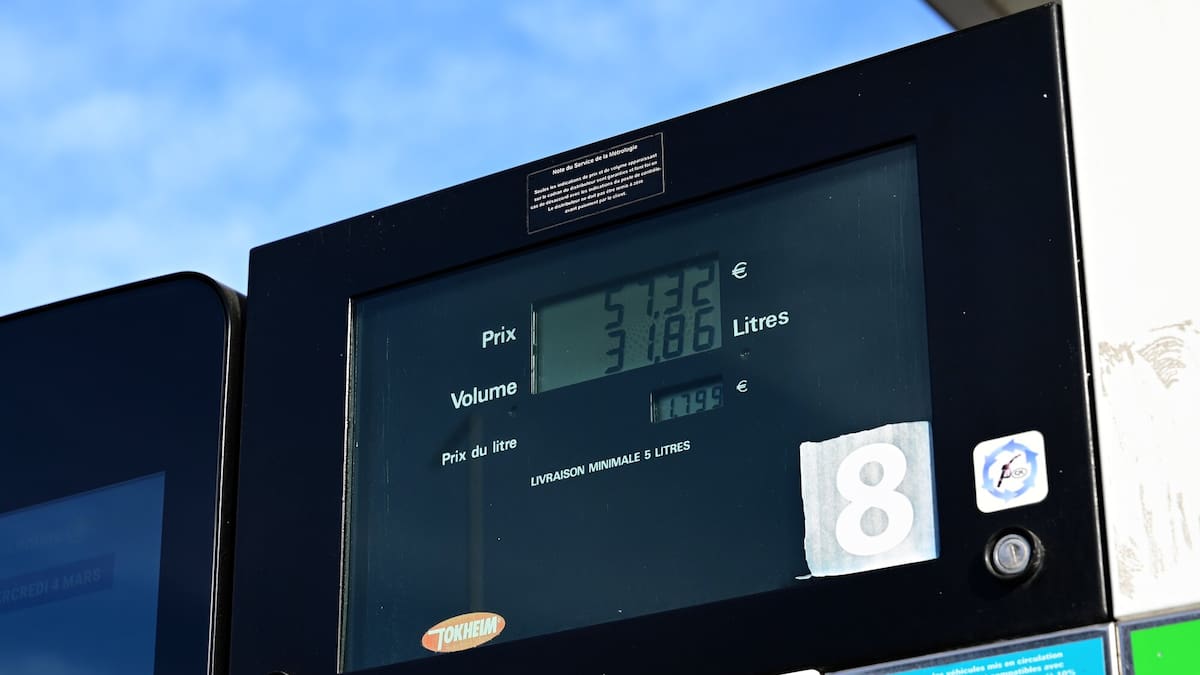
Most New Zealanders will shrug and pay it. They’ve done it before. We saw it with Ukraine in 2022. We’ll see it again the next time a flashpoint ignites somewhere between the Persian Gulf and the Taiwan Strait. The question is whether we keep accepting that vulnerability, or start building something different.
The uncomfortable truth is that New Zealand has almost no buffer against these shocks. We no longer have an oil refinery. We import 100% of our refined fuel, much of it processed in South Korea and Singapore using crude oil sourced from the Middle East. We spend between $7 billion and $8 billion a year buying that fuel from overseas.
Every dollar of it is exposed to whatever happens to be going wrong on the other side of the world.
That’s not an energy policy. That’s a dependency.
The current crisis has also thrown a harsh light on the Government’s plan to build a billion-dollar LNG import terminal in Taranaki, announced in February as a backstop for dry-year electricity generation.
Global LNG prices surged by 50% within days of the conflict escalating, proving that the terminal is not a reliable solution to shield New Zealand families from electricity price volatility.
Spending a billion dollars to trade one form of imported energy dependence for another is not an energy security strategy. It’s a reshuffling of the risk.
The bitter irony is that New Zealand already generates more than 80% of its electricity from renewable sources, hydro, wind, geothermal, right here at home. New Zealand has a genuine competitive advantage here, and we’re in danger of squandering it. We have the clean energy endowment to power ourselves. What we need is the political will to commit to using it.
Electrification is often framed as a climate policy. That’s correct, but it is also something more fundamental: an energy security policy and, in a volatile world, a national security policy.
Every EV that replaces a petrol or diesel car reduces our exposure to global oil markets. Every heat pump that replaces a gas heater reduces our need for imported fuels. Every investment in grid resilience, battery storage and distributed solar strengthens our ability to stand on our own feet.
Energy independence does not mean isolation. We will always trade with the world. But it does mean minimising the number of critical systems that can be paralysed by a conflict half a world away.
The question is not whether there will be another geopolitical shock. There will be. The question is whether we use this moment to build resilience, or whether we continue to accept that every flare-up overseas will land, inevitably and expensively, on New Zealand’s doorstep.
New Zealand has the rivers, the sun, the wind, and the geothermal heat to power itself cleanly and cheaply. The only thing standing between us and genuine energy independence is a failure of imagination and a government willing to mistake short-term tinkering for long-term strategy.
The pump price will go up this week. The question is how many more times we’re prepared to let that happen before we do something about it.
Catch up on the debates that dominated the week by signing up to our Opinion newsletter – a weekly round-up of our best commentary.