

Listen to this article
Estimated 4 minutes
The audio version of this article is generated by AI-based technology. Mispronunciations can occur. We are working with our partners to continually review and improve the results.
B.C. is looking to limit how close disruptive protests can be to places of worship amid concerns from religious leaders, and aims to extend a similar policy that bans protests outside of schools.
If passed, the new legislation would allow places of worship to post signs establishing an access zone that extends to 20 metres of their property line, within which actions that block access, disrupt, or “could reasonably be expected to cause concern for a person’s mental or physical safety” are not allowed.
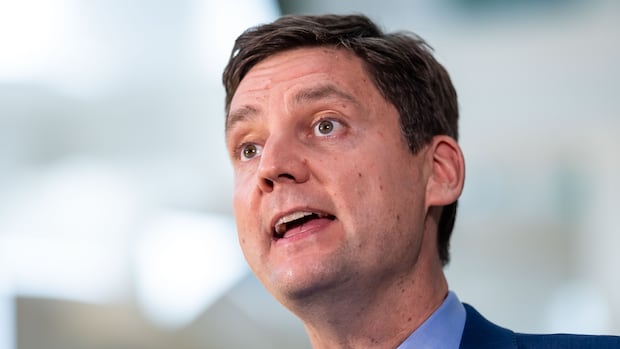
Premier David Eby says the NDP government is introducing this “bubble zone” legislation in response to concerns from religious leaders about violence and vandalism, as well as recent shootings at synagogues in Ontario.
“We’re trying to say, look, someone’s trying to get to their religious institution to pray, leave them alone,” he said.
“We think this will hopefully send the message that it did in relation to schools, which is just — give your head a shake, that’s not the best place for your protest, take it somewhere else.”
WATCH | B.C. has restricted protests near schools: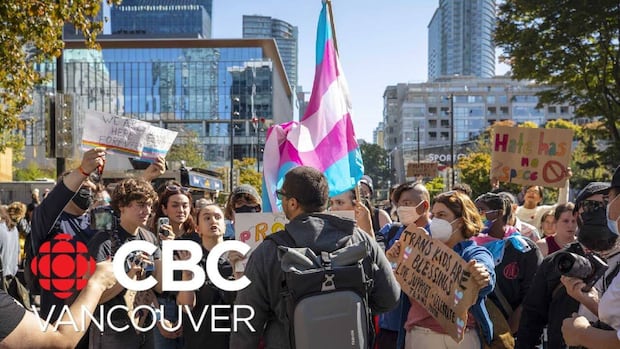
B.C. looks to ban protests near schools
The province is looking to introduce a new bill that would prevent protesting near schools. The B.C. government says once the bill becomes law, police will have the authority to arrest or issue tickets to anyone found disrupting school activities within 20 metres of school grounds. Meera Bains reports.
However, it’s prompted concern from several civil liberties groups across Canada, who say police already have the powers necessary to crack down on violence and harassment at demonstrations.
Anaïs Bussières McNicoll, director of the Fundamental Freedoms Program at the Canadian Civil Liberties Association, is among those who say B.C. does not need new legislation to prevent harmful demonstrations.
“[It’s] definitely important to keep in mind that a protest can be disruptive and still be peaceful,” she said.
“We do have to critically question this narrative that whenever a protest is seen by some as being offensive or disruptive, the state should necessarily, automatically do something about it.”
She said it’s not the role of police to decide what kind of speech at protests is and is not acceptable.
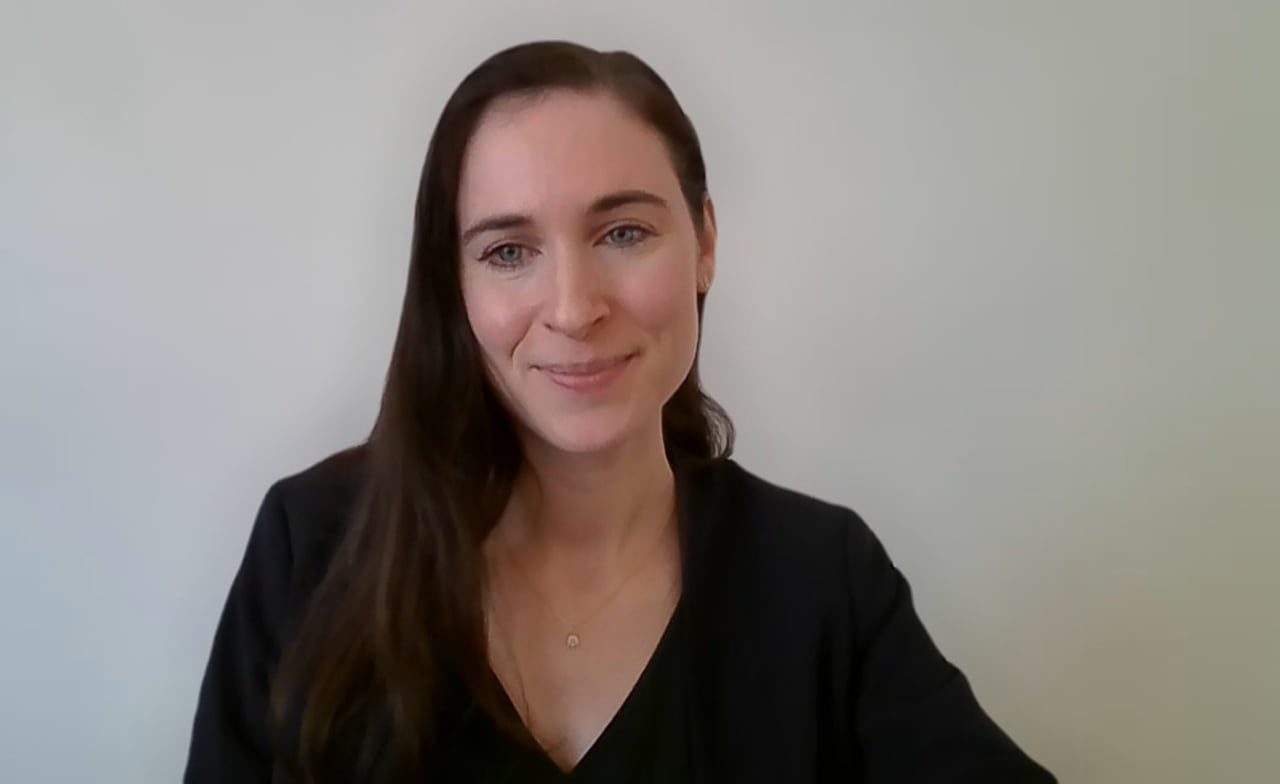 Anaïs Bussières McNicoll, director of the Fundamental Freedoms Program at the Canadian Civil Liberties Association. (CBC)
Vibert Jack, litigation director for the B.C. Civil Liberties Association, said that while it’s reasonable to balance freedom of expression with access to religious or education centres, he expects it will likely also limit peaceful protests.
“Protest really is effective only when it is disruptive,” he said.
“There is always going to be a chilling effect on legitimate expression.”
‘People don’t feel safe’
If the legislation is passed, religious institutions would be able to post signs establishing an access zone around their building.
Inside that area, police could arrest or issue a ticket fining anyone disrupting, intimidating, blocking, or is otherwise found to potentially harm the mental or physical safety of people accessing the place of worship.
B.C.’s Attorney General Niki Sharma, said faith leaders from across the province have shared stories with her of community members being blocked or intimidated away from attending services or events, and religious events that have been drowned out by loud music from protesters.
“People don’t feel safe to enter because of these disruptions,” she said.
“That’s why we’re taking the actions that we’re doing today.”
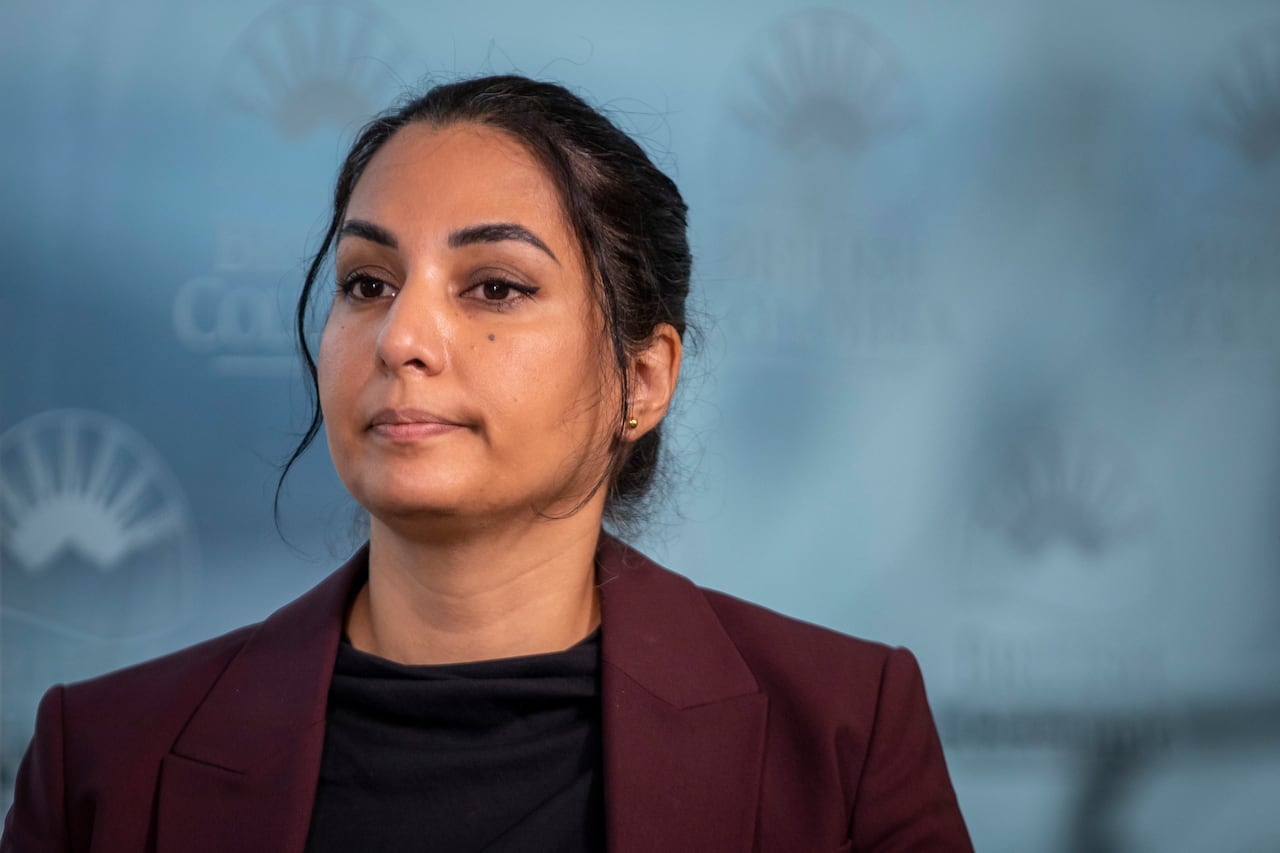 B.C. Attorney General Niki Sharma said the legislation comes after multiple faith leaders said worshippers were being put off by protesters. (Ben Nelms/CBC)
Since enacting legislation to ban protests near schools in the wake of dozens of anti-SOGI demonstrations on school grounds, Sharma says the number of protests have reduced but not disappeared.
Both bills are temporary, and would require the legislature to consider if they need to be renewed. If passed, the policy focused on schools would extend two additional years to 2028, while the religious institutions legislation would need to be reassessed in 2030.