
It’s been one year since car owners in the greater Montreal area had their fees shoot up on their annual vehicle registration bill — and those on the outskirts of the city say enough is enough.
In 2024, the Communauté métropolitaine de Montréal (CMM), which represents about 80 Montreal-area municipalities, voted in favour of a tax hike on vehicle registrations to help fund public transit.
The tax went from $59 to $150. With an existing $30 contribution, that totals $180 for public transit fees on affected owners’ bills.
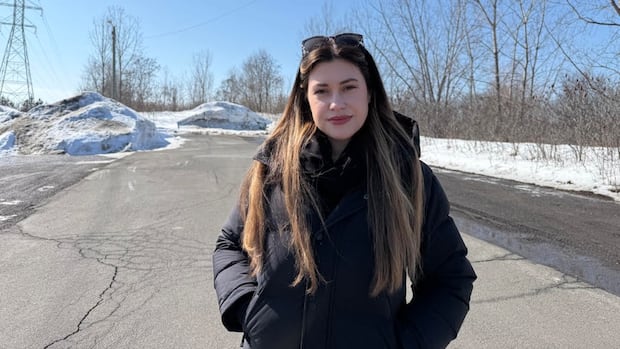
Notre-Dame-de-l’Île-Perrot resident Tamra Canty-Currie decided to launch a petition after getting the registration hike paper in the mail and being shocked by the amount.
“It’s simply a matter of access,” said Canty-Currie.
“If people actually had access or an improvement in services to their public transit system, we wouldn’t be talking about the same thing.”
The CMM says council members made the difficult decision to increase the tax because of a reduction in public transit funding from the provincial government.
WATCH | Off-island car owners say increased tax is unfair: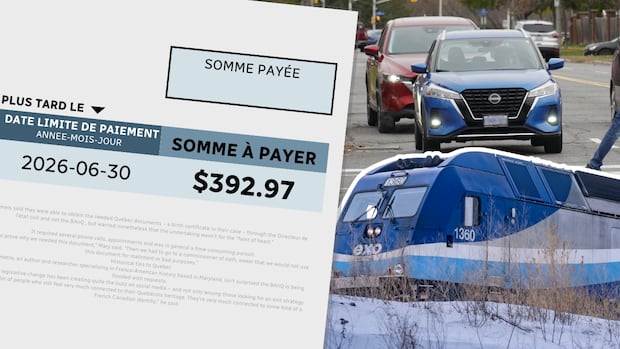
Increased car registration tax to fund public transit is unfair, say residents west of Montreal
In 2024, Montreal-area municipalities voted on a tax that would offset the public transit agency’s deficit. The car registration tax was raised from $59 to $150. But some towns west of Montreal argue the tax isn’t fair, since they aren’t well served by public transit.
According to L’Autorité régionale de transport métropolitain (ARTM), Montreal’s regional transit planning agency, the money is used to sustain public transit services and maintain infrastructure.
But some people living outside of Montreal say they don’t have equal access to public transit and shouldn’t be paying the same amount as those who are better served
“I think that the tax should be weighted based on your access to service,” said Canty-Currie.
“So if you have access to service, great. If you don’t have access to service, great. You’ll be paying less.”
‘People feel they’re paying for nothing’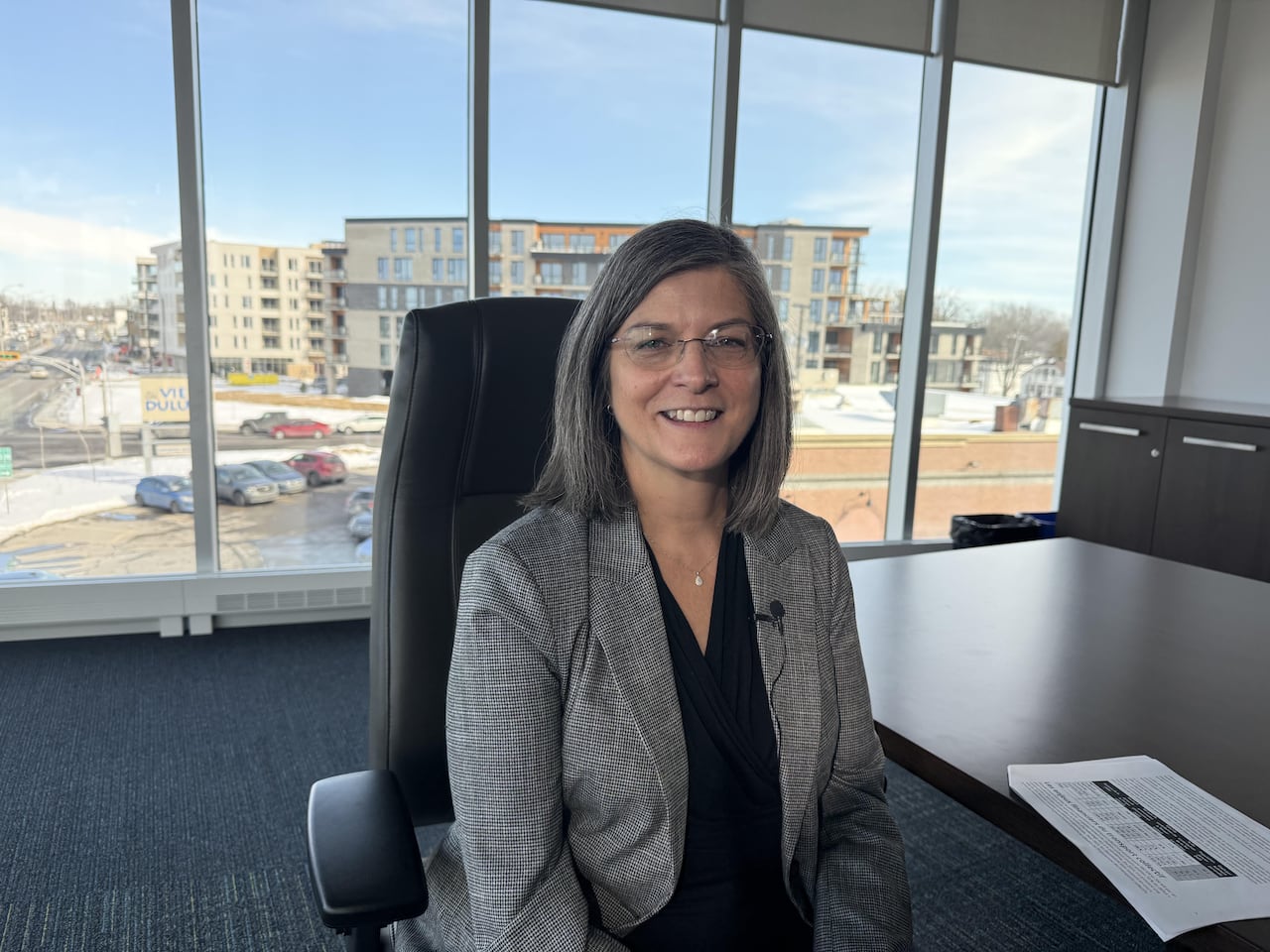 Deputy prefect for the Vaudreuil-Soulanges MRC Geneviève Lachance says residents are in a catch-22 where they have no choice but to purchase a car to get around, since public transit isn’t accessible in some areas. (Chloë Ranaldi/CBC)
About 40 mayors from the South Shore and Vaudreuil-Soulanges region voted against the tax hike back in 2024.
Geneviève Lachance, deputy prefect for the Vaudreuil-Soulanges MRC and mayor of Saint-Lazare, says residents were upset when they got their bills in the mail, adding many families in the Vaudreuil-Soulanges territory have multiple vehicles.
Lachance says families find themselves in a catch-22 where each member has a car, because public transit isn’t a reliable option.
In Vaudreuil-Soulanges, part of the territory is serviced by the ARTM commuter train, and some bus lines exist, but not all come frequently.
Jérémie Marchand drives to the Vaudreuil-Dorion train station to get to work and school. He says he wouldn’t mind paying the fee, if there were more buses available, similar to how frequently they run on the island.
“The last bus that passes by my place is at nine in the morning, then there is none until three o’clock in the afternoon,” he said.
Lachance says residents tell her they wouldn’t mind paying for the fee if they had more services that came with it. She says as it stands, that money is serving a debt, and not being invested into developing new transportation systems on the territory.
“That creates a big frustration because people feel they’re paying for nothing really. So that’s basically the frustration that we’re seeing.”
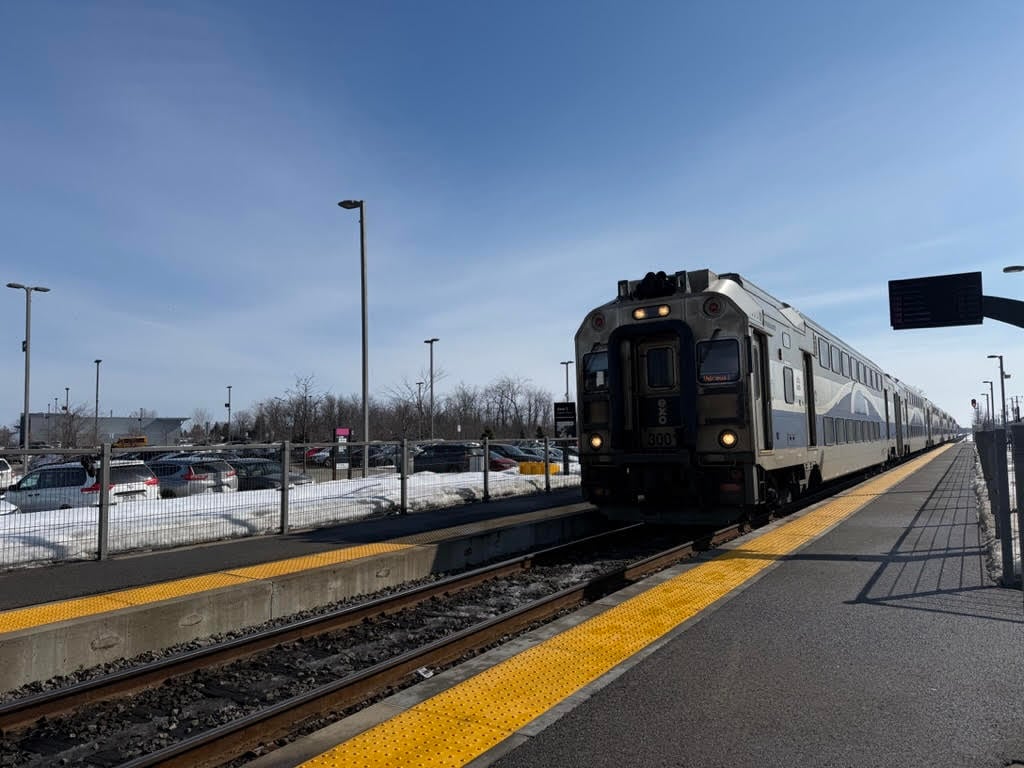 Every parking spot at the Vaudreuil-Dorion train station was taken on a Wednesday morning in March, as people drive their cars to take public transport at the regional hub. (Chloë Ranaldi/CBC)
She says she’d like to see the provincial government invest more in public transit, as well as develop services on her territory. Lachance says outside of the REM in Sainte-Anne-de-Bellevue, which is not extending to her area, there are no new public transit options being developed in the region.
She believes there needs to be more options to help people get to other municipalities in the territory, and not solely downtown.
Châteauguay mayor says residents ‘completely isolated’
Châteauguay Mayor Éric Allard said South Shore mayors were against the hike, since their citizens do not receive the same benefits as those living on the island.
“We have no train, we have no REM, we have no connection with our neighbours except through Montreal,” he said.
He says the biggest part of the ARTM’s deficit originates from Montreal, but residents on the south and north shores are paying more collectively than in Montreal because they have more cars.
“We are very far from everybody else,” Allard said about the lack of transit. “Even in Vaudreuil, Candiac they have a train, but we are completely isolated.”
He’s hoping for greater investment on behalf of the province to be able to offer transit options for his residents and connect to neighbouring towns easier.
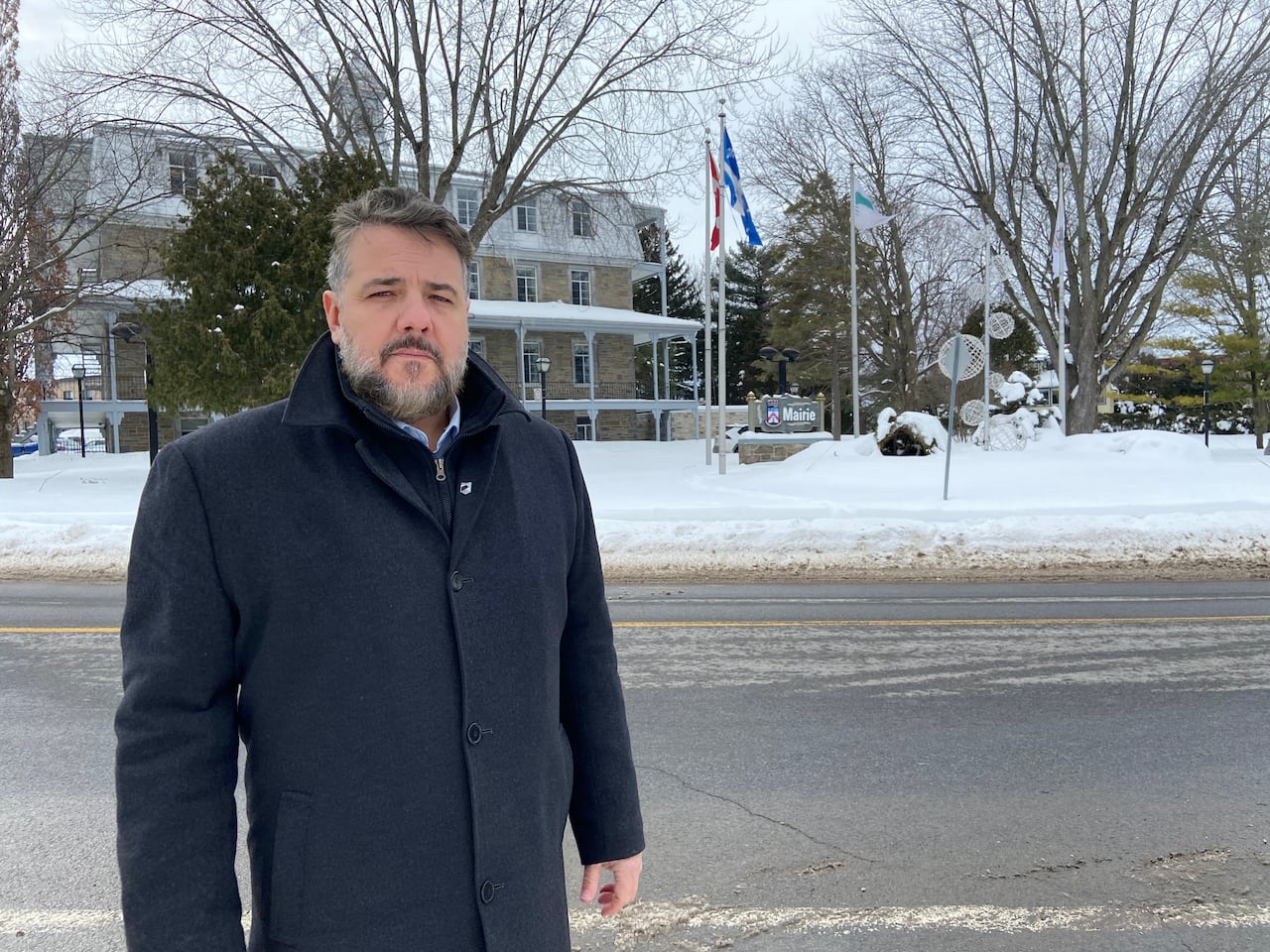 Châteauguay Mayor Éric Allard says it’s not fair that his citizens pay for services that they don’t fully benefit from. (Rowan Kennedy/CBC)
In a statement, a spokesperson for the province’s transportation minister says public transit is primarily organized by the MRCs.
“They are responsible for planning and implementing services tailored to the needs of their citizens,” the statement reads.
However, the Vaudreuil-Soulanges MRC says it isn’t that simple. It says 11 of its 23 municipalities are under the CMM’s jurisdiction for transit planning and funding, which limits its authority.
The ARTM and Transport Ministry say the REM’s L’Anse-à-l’Orme branch will open this spring, with the hope of improving transportation in the western part of Montreal, allowing off-island residents to connect to this new network.
However, Lachance and Canty-Currie note that this development is still not happening in their region, with no new plans to invest in public transportation on their territory.