
Home » Hotels And Resorts In Canada » Nineteen Million Dollar Tourism Loss Looms Over Montreal Due to Short-Term Rental Ban During 2026 Formula 1 and Cycling Championships
Published on
March 11, 2026
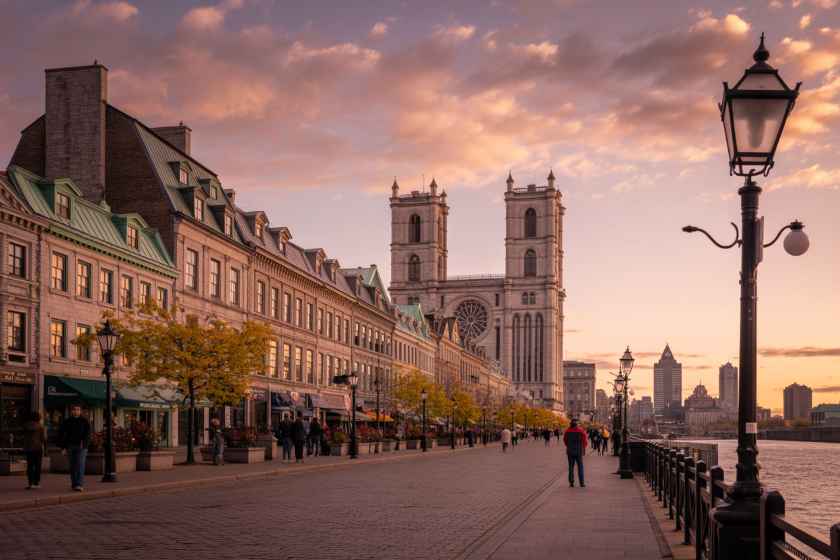
Image generated with Ai
Montréal stands to lose more than $19 million in tourism revenue due to a projected 26,000-night accommodation shortfall during two of the city’s most significant events in 2026: the Formula 1 Canadian Grand Prix (May 22–24) and the UCI World Cycling Championships (September 19–27). A new independent analysis by Raymond Chabot Grant Thornton (RCGT) has revealed that the city’s current short-term rental (STR) regulations, which limit rentals from June 10 to September 10, will create a substantial gap in available accommodations, potentially turning away thousands of visitors and the economic benefits they bring.
The Impact of Montréal’s Seasonal STR Ban on Major Events
The seasonal short-term rental ban in Montréal, which restricts renting in residential neighborhoods during the summer months, coincides with the Formula 1 and Cycling Championships—two events that draw international crowds, requiring vast amounts of lodging. The analysis highlights that over 26,000 accommodation nights will be unavailable during these key events in 2026, exacerbating the city’s accommodation shortages.
The report indicates that 7,000 units will be missing during the Formula 1 Canadian Grand Prix, with an even larger shortfall of 19,000 units during the UCI World Cycling Championships. On peak demand days like Saturday, when both events see high visitor turnout, this gap will be especially felt. This accommodation shortage risks reducing the economic activity generated by these events, with the city expected to miss out on $19 million in spending. Over $7 million would be lost due to the Formula 1, with another $12 million tied to the Cycling Championships. The loss of potential visitor spending includes money that would typically go to restaurants, retail, entertainment, transportation, and other local businesses.
Rising Hotel Prices and Limited Availability
The shortfall in accommodation nights during these high-demand events also means hotel prices are expected to surge. Data from CoStar revealed that during the 2025 Formula 1 Canadian Grand Prix, hotel rates surged by 167%, reaching an average price of $892 on race Saturday. With the 26,000-night shortfall forecasted for 2026, these price hikes could become even more pronounced, making it more difficult for visitors to find affordable lodging.
In 2026, if the accommodation gap widens further, visitors may find themselves facing higher-than-expected costs, which could reduce the number of tourists who are able to attend these major events. The lack of affordable options for short-term rentals, combined with rising hotel rates, could deter potential visitors, especially those seeking budget-friendly travel options.
A Call for Policy Updates to Support Montréal’s Tourism Economy
To address these issues and ensure that Montréal remains a competitive and welcoming destination for international tourists, industry leaders are calling for key updates to the city’s short-term rental policies. Airbnb and other tourism stakeholders are urging the City of Montréal to take action by lifting the seasonal ban on principal-residence hosts. This would allow Montréalers to rent their primary residences year-round, helping the city meet growing demand during peak tourist seasons.
Advertisement
Advertisement
In addition to lifting the seasonal ban, stakeholders recommend a simplified permit system for hosts. The current in-person registration requirement is seen as an unnecessary barrier for residents who wish to host. Transitioning to an online permit system would make the process more accessible and efficient, encouraging more homeowners to participate in the short-term rental market. By making these changes, the city could increase its accommodation capacity, reduce the risk of turning away visitors, and enhance the overall tourism experience.
A Solution to Maximize Montréal’s Tourism Potential
Montréal is a vibrant and exciting destination for tourists year-round, and its profile as a global city hosting world-class events is continually growing. However, with limited accommodation options during high-demand periods, the city risks losing out on significant economic opportunities. By making policy adjustments that better accommodate short-term rental demand, Montréal can provide visitors with more lodging choices and increase spending on local businesses.
Advertisement
Advertisement
The success of major events such as the Formula 1 Canadian Grand Prix and UCI World Cycling Championships is not just about the spectacle itself but also about the surrounding infrastructure and services. With the right balance between regulating short-term rentals and expanding available accommodations, Montréal can continue to thrive as a premier destination for international events and year-round tourism.
Moving Forward: A Strategy for Sustainable Tourism Growth
As Montréal prepares for future tourism peaks, it must consider more sustainable solutions for its short-term rental market. By adopting targeted policy changes—such as ending the seasonal STR ban for principal-residence hosts and streamlining the registration process—the city can better manage accommodation capacity, encourage growth, and ensure that both locals and tourists benefit from the economic opportunities that large-scale events like the Formula 1 and Cycling Championships bring.
With the right strategies in place, Montréal can not only protect but also enhance its reputation as a world-class destination for both leisure and business tourism.
