
What to know
Toronto health officials confirmed two travel-related cases of mpox clade Ib, a strain linked to outbreaks in Central Africa.
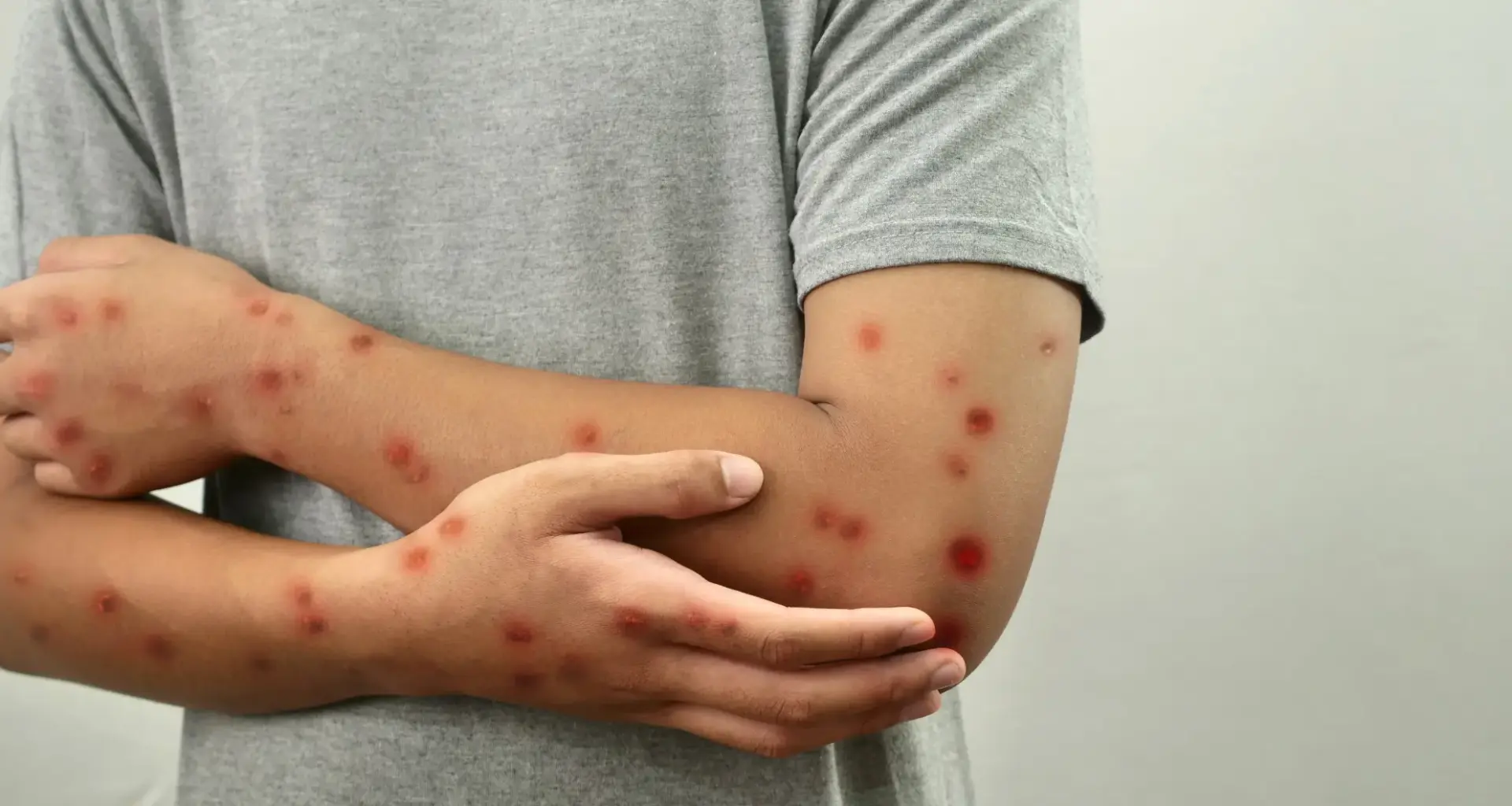
Mpox spreads mainly through close physical or sexual contact and causes painful rashes or lesions along with symptoms such as fever, fatigue, and swollen lymph nodes.
Experts say vaccines remain the best protection, helping reduce transmission and significantly lessen symptoms if someone becomes infected.
The Imvamune vaccine is available for free to eligible residents in Toronto through public health clinics and community partners.
Toronto Public Health (TPH) is encouraging residents to get vaccinated after two cases of mpox clade Ib were confirmed for the first time in Toronto and Ontario.
Mpox (previously known as monkeypox) is an infection caused by the monkeypox virus, which involves painful rashes and is commonly transmitted through close and sexual contact.
An mpox outbreak was first reported in 2022 across several countries, including Canada, which has registered nearly 2,000 cases of the disease since then. At the time, the outbreak involved variant clade IIb of the monkeypox virus, which originated and was most commonly found in West Africa.
However, on Wednesday, TPH confirmed two travel-related cases of mpox claude Ib, a different variant of the disease that originated in Central Africa, including eastern Democratic Republic of Congo and some of the neighbouring countries.
University Health Network physician and expert in infectious diseases, Dr. Isaac Bogoch, told Now Toronto that, while some experts believe the new variant may be more transmissible and cause stronger symptoms, there still isn’t enough evidence to prove that’s the case.
In any case, the expert says the prevention, diagnosis, and management of the infection is the same for both variants. Here’s what Ontarians should know to stay safe.
Transmission and risks
According to Bogoch, mpox cases overwhelmingly affect men who maintain sexual contact with other men, representing nearly 99 per cent of the infected.
“It’s important to note that, because that’s how we tailor an appropriate and targeted public health response,” the expert said.
As mentioned, the infection leads to painful lesions or rashes that can be found on skin, mouth, genitals, and on the anus. Other symptoms also include fever, fatigue, headache, muscle ache, sore throat, swollen lymph nodes, and more.
The virus is transmitted through direct or sexual contact with infected persons, and it is most contagious while lesions are active.
Prevention and treatment
Since the outbreak in 2022, mpox cases have been significantly contained thanks to combined efforts by community members and public health agencies in the country, which made vaccines available for the public.
Vaccines continue to be the best form of prevention, as they help to contain transmission and can also be effective in mitigating symptoms.
“If people have had the vaccine and they still get the infection, the severity of infection is significantly mitigated. And we’ve seen some very mild infections with very few lesions, sometimes even a single lesion that is either just slightly uncomfortable or minimally painful as a result of the vaccine,” Bogoch said.
TPH is currently offering the Imvamune vaccine to eligible residents through clinics and community partners for free and without the need of a OHIP card. For full immunization, residents must receive two doses of the vaccine, with the second one being administered 28 days after the first.
In addition to getting vaccinated, Bogoch says patients that notice mpox symptoms can prevent transmission by practicing social isolation and avoiding sexual contact while infected.
Mpox treatment mostly involves symptom management, including providing pain relief and lesion cleaning, and usually is done in about a week, although some might present symptoms for two to three weeks.
TPH says post-exposure treatment is also available for those who have been exposed to the virus.
Those who wish to get vaccinated can book an appointment with TPH through its booking system or contact their local 2SLGBTQIA+ health-care provider.