
Summary
A new report says Canada is falling behind on its commitment to protect 30 per cent of lands and waters by 2030.
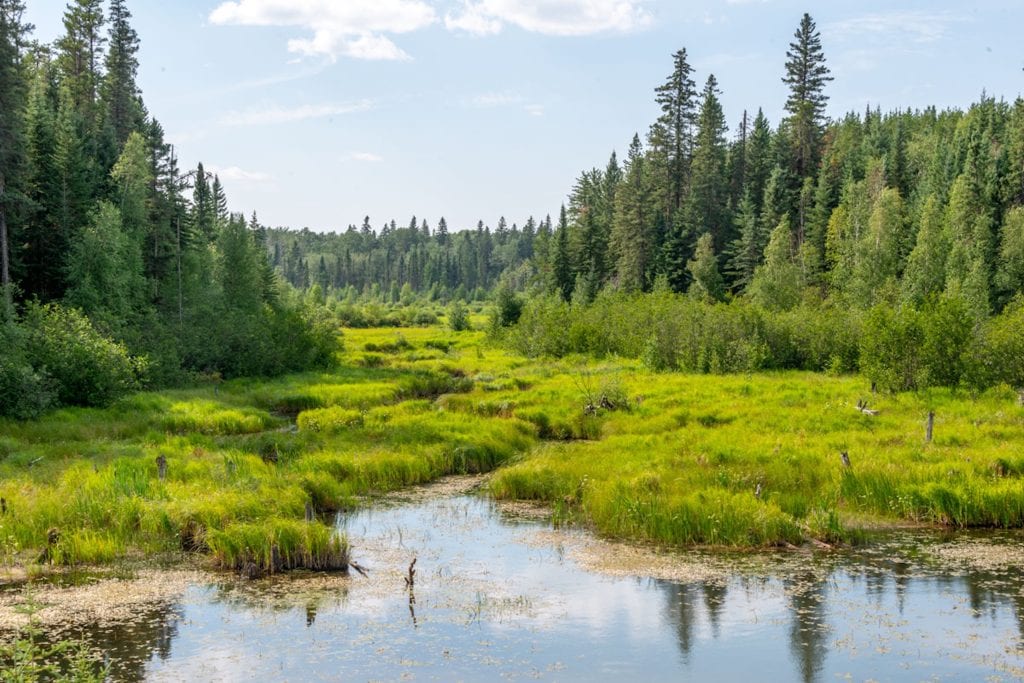
That’s true in Manitoba, too, but a vast Indigenous-led conservation area proposed for the province’s north could help.
Advocates are urging the federal government to renew conservation funding that is expiring this year, stressing the economic value of natural spaces.
We’re trying out staff-written summaries. Did you find this useful? YesNo
There are just four years left on the clock for Manitoba — and the rest of the country — in the race to conserve 30 per cent of lands and waters by 2030. But halfway through the timeline adopted at the United Nations Convention on Biodiversity in 2022, Canada has made little progress, adding less than one percentage point to its protected land tally and three points to its protected waters.
The country needs to double its protected areas to meet its target, known as 30-by-30. But conservation groups, including the Wilderness Committee and the Canadian Parks and Wilderness Society, warn progress could stall even further as federal funding for conservation initiatives is set to run out at the end of the month — and there’s no indication it will be renewed.
“We have a conservation economy that we can build on, that gives local jobs, that helps honour our Indigenous reconciliation commitments,” Sandra Schwartz, national executive director of the Parks and Wilderness Society, said in an interview.
“It’s an opportunity for the country to invest strategically in our future, while also delivering on a global commitment that our country made.”
The society is urging the federal government to re-invest in conservation, armed with new research showing protected spaces generate significant economic returns. And with the right funding, the Wilderness Committee says Manitoba’s approach to establishing these spaces could be a model for other provinces.
Canada has so far protected 13.8 per cent of land
The world is in the throes of a biodiversity crisis. Wildlife populations declined 70 per cent between 1970 and 2018, according to the Living Planet Index, which measures the relative abundance of more than 5,000 species over time, and the United Nations has found species are being driven to extinction far faster than the natural baseline. When the World Economic Forum released its global risk report in January, biodiversity loss and ecosystem collapse ranked as the No.2 long-term threat to the global economy.
“Biodiversity is what makes the world habitable for us,” Eric Reder, director of the Wilderness Committee’s Manitoba office, said. “Habitat for species, the place for nature to be wild, is essential.”
Experts agree habitat loss is a key driver of biodiversity loss. According to a February report from the committee, Canada was already at a disadvantage when the 30-by-30 commitment was adopted in 2022 as part of an effort to halt and reverse this trend. The country had failed to reach any of the conservation targets it agreed to in the previous three decades, and had only managed to formally protect 13 per cent of lands and 12 per cent of waters, lagging behind other nations.
As of 2026, Canada has improved to just 13.8 per cent of lands and 15.5 per cent of marine areas. It will need to protect another 1.7 million square kilometres, an area the size of Alaska, to meet the target.
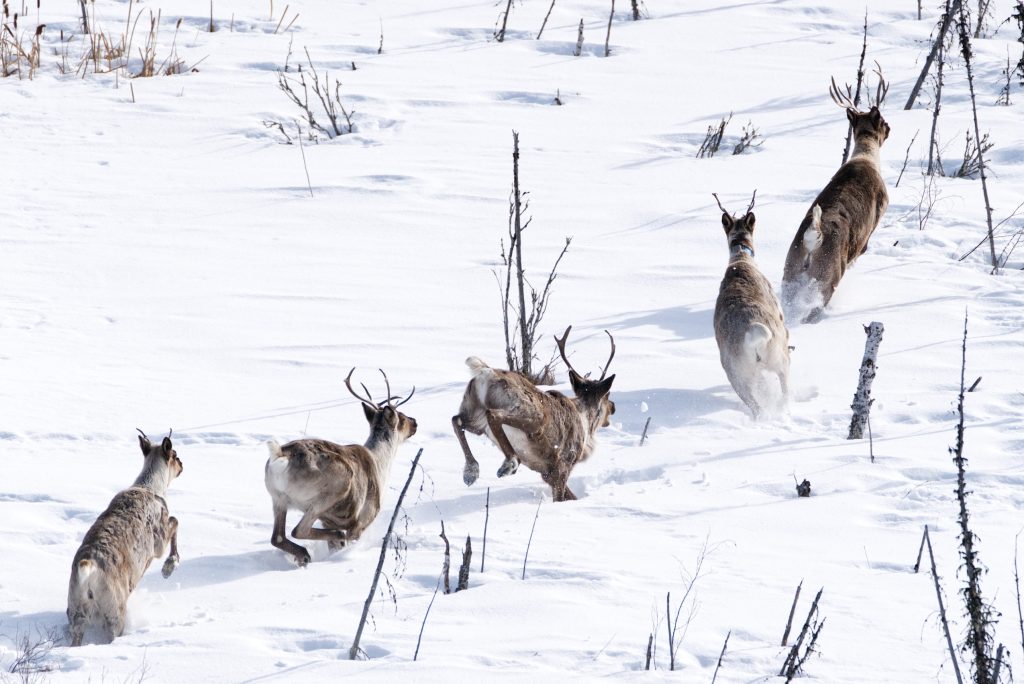 Habitat loss is a key driver of the world’s biodiversity crisis, which is causing species to go extinct at a faster rate than the natural baseline. Photo: Ryan Dickie / The Narwhal
Plan to protect Seal River watershed in Manitoba could add 50,000 square kms of conserved areas
Manitoba has formally protected just 11 per cent of its wild areas, despite having “more wilderness within its borders than most countries in the world,” the Wilderness Committee report says.
Still, the report is optimistic about the province’s future. Reder said that’s because the province has a history of empowering Indigenous-led conservation.
Dive deeper on this topic
Pimachiowin Aki, a stretch of undisturbed boreal forest on the eastern side of the province that has been formally managed by four Anishinaabeg nations since 2002, was designated as a UNESCO World Heritage site in 2018.
More recently, the province has supported an alliance of four Cree and Dene nations in establishing a protected area in the Seal River watershed, a 50,000-square-kilometre expanse of northern Manitoba that encompasses the province’s last undammed major river, and serves as critical habitat for seals, caribou, shorebirds and more than 250 other species.
In January 2024, the province gave the watershed interim protection from mining and other industrial activities; last March the alliance, along with federal and provincial governments, determined a protected area is feasible. When complete, the Seal River watershed could protect seven per cent of the province, increasing Manitoba’s tally to 18 per cent.
Dive deeper on this topic
Manitoba Environment and Climate Change Minister Mike Moyes said the province has prioritized its partnerships with local communities, including First Nations and rural municipalities, and is working toward a “mosaic” of protected areas through these partnerships.
“These are folks that live in the areas that we’re talking about, right across the province, and so ensuring that they’re a part of these projects moving forward is critical,” Moyes said. “All of our work is for Manitobans, by Manitobans.”
Conservation advocates urge feds to add funding for protected areas
The Wilderness Committee report notes underfunding is the most significant barrier to protected- area growth, as governments “continue to prioritize short-term resource extraction over long-term protection.”
The society cautions any progress Canada is making towards the 30-by-30 target could be stymied as federal funding runs out.
The Enhanced Nature Legacy Fund, introduced in the 2021 budget, provided $2.3 billion over five years to support 30-by-30 initiatives, and aimed to reach an interim target of protecting 25 per cent of lands and waters by 2025.
That funding expires at the end of the month and the federal government has not indicated whether it will be renewed. A representative for Environment and Climate Change Canada did not answer specific questions about whether Ottawa intends to renew the funding or introduce a new budget line for conservation initiatives.
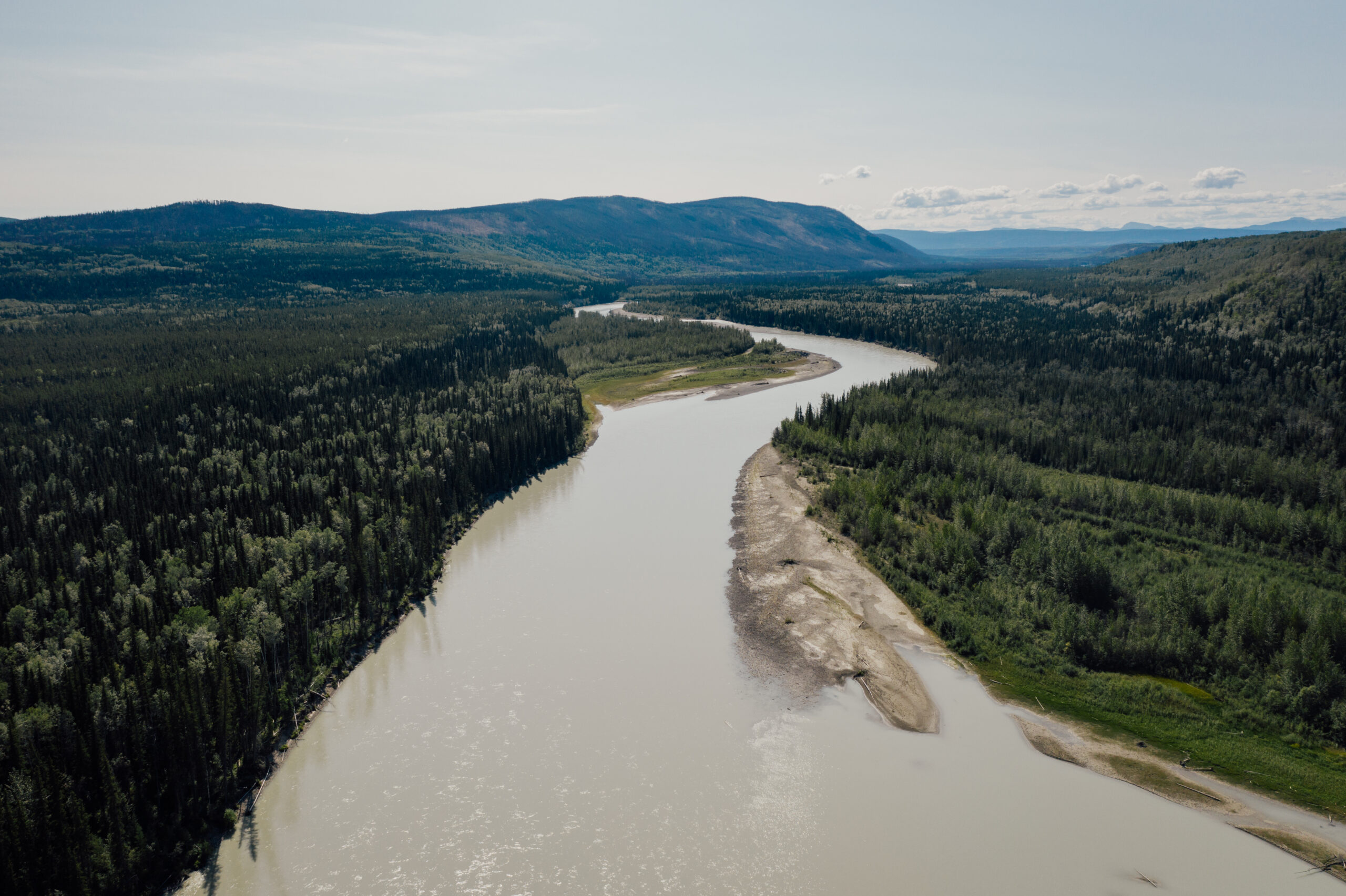 A federal funding program that supports conservation efforts is expiring at the end of March 2026, and advocates are warning the loss could stymie Canada’s progress on its conservation goals. Photo: Taylor Roades / The Narwhal
Schwartz and leaders of other nature protection groups sent an open letter to Prime Minister Mark Carney this week, urging the government to renew and strengthen funding for nature.
“Without renewed funding, the conservation work that is already under way and has been for several years could stall,” Schwartz said. “We’d have rural and more remote jobs at risk. We’ll have communities and Indigenous partners left without the support that they were promised.”
When the money runs out, it will leave the responsibility for funding protected areas to the philanthropic and private sectors, which are not sufficiently resourced to fill the gaps, she added.
Schwartz explained protected areas are comparable to other large infrastructure initiatives, including the mining and oil and gas projects the federal government has championed through its Major Projects Office.
“Environmental protection is not a trade-off,” Schwartz said. “When we have a healthy environment, we also typically have a very healthy economy. It’s a return on the investments the government has already made.”
Protected areas generate billions for the economy: report
A recent study from the Parks and Wilderness Society found protected spaces are a significant contributor to the economy.
The federal government spent $1.8 billion on protected areas in the 2023-24 fiscal year. In return, those same areas generated $10.9 billion in gross domestic product and 150,000 jobs — many in rural and remote communities, the report found. Every public and non-profit dollar spent in these areas generated $3.62 in visitor economic activity, jobs in the sector contributed $6.6 billion in labour income and tax revenues generated a return of $1.4 billion.
“Investing in nature is an affordability act for the future,” Reder said. “The economists are telling us that we need more parks, we need more protected areas, we need more tourism investment. The money folks are telling us that we need to spend on nature.”
Moyes said the province has “a variety of irons in the fire” when it comes to future conservation initiatives, and is working with the federal government, local communities and other partners to meet its 30-by-30 commitments.
“We’re always going to ensure that there is adequate funding to get these projects across the line,” Moyes said.
“The environment is our backbone, and it’s important that we’re protecting the environment in order to have economic development.”
Julia-Simone Rutgers is a reporter covering environmental issues in Manitoba. Her position is part of a partnership between The Narwhal and the Winnipeg Free Press.