
Surrey’s public schools are projected to see another decline in enrolment after experiencing its first drop in decades this year. But a reduction in students also means less funding from the B.C. government, the district’s school board warned at the regular March school board meeting.
Even with fewer students, trustee Terry Allen said there is still “financial pressure facing the district.”
While the city itself continues to grow and is on track to surpass Vancouver’s population and become the most populous city in B.C., Surrey’s schools tell a different story.
“Domestically, we are seeing some trend of families moving further east in not only the province itself, but in Canada as well. The cost of living is driving a bit of that trend as well,” said Simran Kang, the school district’s director of finance.
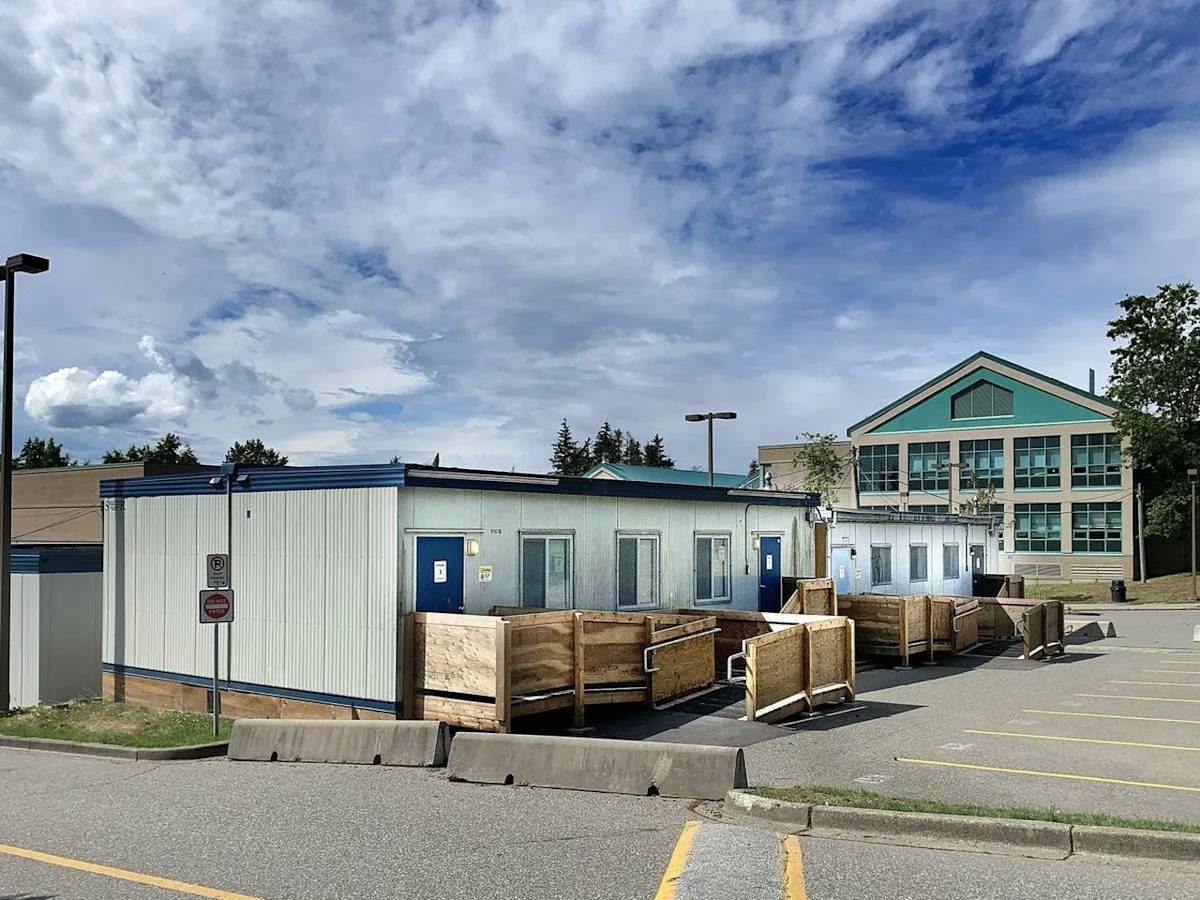
Kang was providing a budget update to the trustees. The school district receives two types of funding, operating and capital. School districts use the capital budget to build new schools and upgrade and expand existing schools, while the operating budget is essentially used for everything else, including adding portables.
How much a school district receives for its operating budget is linked to student enrolment. Over the past several years, Surrey has seen its funding increase, but that changed for the 2025-2026 school year when the number of students decreased by 1,450 from the previous year.
Enrolment projections for this fall show a further decline of 880 students, largely due to Canada’s changing immigration policies, leading to a decrease in overall immigration, Kang said. For a school district that has linked most of its increasing enrolment to international students, Surrey is feeling the impact of the changes.
“We are also anticipating a decrease in overall international student enrolment — some of the key drivers that have aided in these trends,” Kang said.
Surrey’s public school capacity issues have been highlighted for decades. The largest school district in B.C., Surrey is also one of the most crowded, with hundreds of portables purchased to expand the sizes of its schools.
Over the years, Surrey Schools has made cuts to programs and services, including a significant reduction in bus services for some students, the closure of some learning centres, a reduction in overall education assistants through attrition, and more. These measures were necessary, the board claimed, to offset what it described as insufficient funding from the provincial government.
In addition to the student enrolment issue, Kang said the cost for substitute teachers has doubled since 2021, and the province’s funding model does not take inflation into consideration.
Between those factors, the district’s claim that it supplies more inclusive education than what it’s funded for, and the city’s aging school buildings, trustee Bob Holmes said the district itself and the rest in the province have an uphill battle.
“They just aren’t funded year after year and they’ve (district staff) found that is the case all throughout the districts,” Holmes said.
When compared to other school districts, Surrey is pretty on par with the others when it comes to how the operating budget is allocated for classrooms, school buses and administration costs, Kang said.
About 97 per cent of the school district’s revenue is funded through the government, while the remainder is from tuition — mostly from international students — and some federal grants.
Currently undergoing a public consultation, Surrey school district’s annual budget is anticipated for approval by the board in May.
Related