
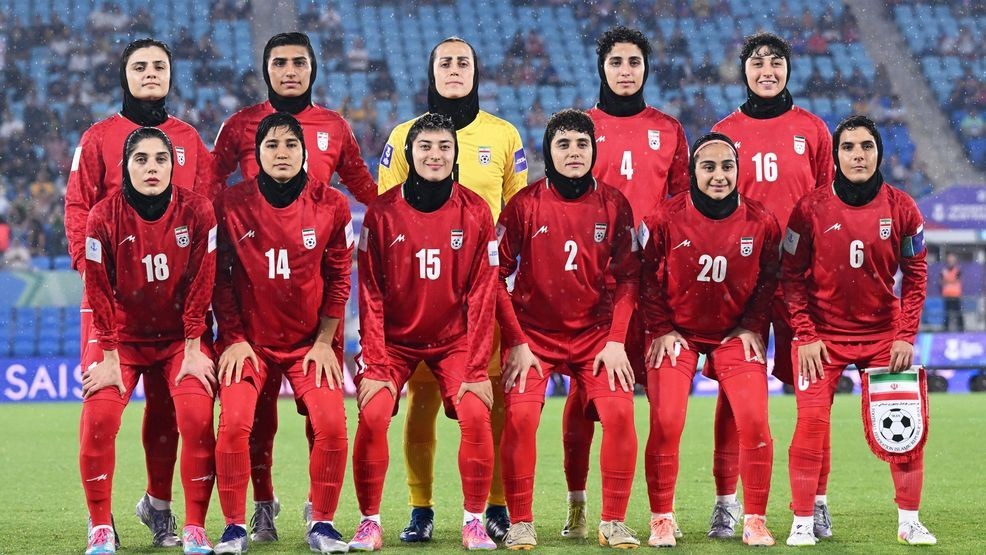
WASHINGTON (TNND) — The Iranian women’s national soccer team is expected to depart Malaysia on Monday night, bringing an end to several days of uncertainty following a diplomatic dispute involving players who had sought asylum in Australia.
According to Asian Football Confederation (AFC) General Secretary Windsor John, travel arrangements for the team were coordinated by the Iranian embassy.
The AFC said it had been informed the team would fly to Oman, though officials said that destination may only be a transit point and the final travel plans remain unclear.
John told the Associated Press that the AFC has been supporting the team during its stay in Malaysia and that both the AFC and FIFA plan to maintain contact with Iran’s football federation to ensure the players’ welfare once they return.
“They are our girls as well,” John said, adding that the organizations intend to follow up regularly after the team’s departure.
The team arrived in Kuala Lumpur from Sydney on March 10 after being eliminated from the Women’s Asian Cup in Australia. At the time, six players and one staff member remained behind in Australia after accepting protection visas.
In the days that followed, however, four of the players and the staff member reversed their decisions and traveled to Malaysia to rejoin the team. The most recent arrival occurred on Monday. Officials have not provided reasons for the changes.
Members of the Iranian diaspora in Australia have suggested the decisions may have come under pressure from authorities in Tehran, though that claim has not been confirmed.
John said the AFC had not received any direct complaints from players about returning to Iran.
“We asked them, and they said, ‘No, it’s OK,’” he said. “They are actually in high spirits. They didn’t look afraid.”
Two members of the team remain in Australia under government protection. Australian officials say they are being supported and housed in a secure location.
Assistant Immigration Minister Matt Thistlethwaite described the situation as complex and emphasized that the decisions involved are deeply personal.
“These are deeply personal decisions, and the government respects the decisions of those who have chosen to return,” Thistlethwaite said. “We continue to offer support to the two that are remaining.”
The situation unfolded against the backdrop of heightened political tensions. Iranian authorities welcomed the players’ decision to return as a symbolic victory against what state media described as outside political pressure.
Iran’s Tasnim News Agency reported the players were returning to the “warm embrace of their family and homeland.”
Concerns over the players’ safety grew earlier in the tournament when the team did not sing Iran’s national anthem before its opening match — an action some observers interpreted as a sign of protest or mourning. The players did sing the anthem before a later match.