
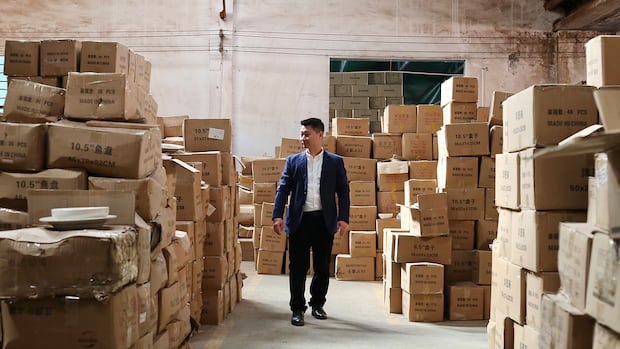
In the sprawling labyrinth of shops and showrooms in the Chinese city of Yiwu, parts of what’s widely known as the “world’s supermarket” are beginning to look more like a world-class warehouse.
Across a mind-boggling 80,000 stalls spread over more than 50 million square feet, vendors hawk everything from glittery Christmas ornaments and plastic toys to high-end electronics. Amazon and Walmart source a lot of what they sell from here.
If the world buys it, Yiwu sells it.
Yet household goods that should be in containers at sea are sitting idle, victims of a conflict thousands of miles away.
For a snapshot of how the U.S.-led war in the Persian Gulf, and Iran choking off the Strait of Hormuz, is rattling global supply chains, this city in eastern China offers some striking examples.
WATCH | The Strait of Hormuz, explained: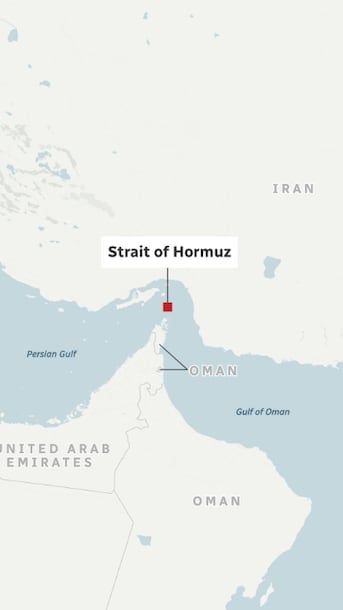
The facts about the Strait of Hormuz
The Strait of Hormuz is a vital route for oil. Here are the facts.
While there are no firm statistics about how much of the commerce here is driven by the Middle East, local business groups estimate the region buys 30 per cent of what’s sold here.
“We have a lot of customers in the Middle East,” said Suad Ding, a safety footwear supplier whose showroom is lined with rows of hiking and construction boots.
She has 25,000 pairs of boots and shoes meant to be on shelves in Riyadh and Cairo that are now stalled in the supply chain.
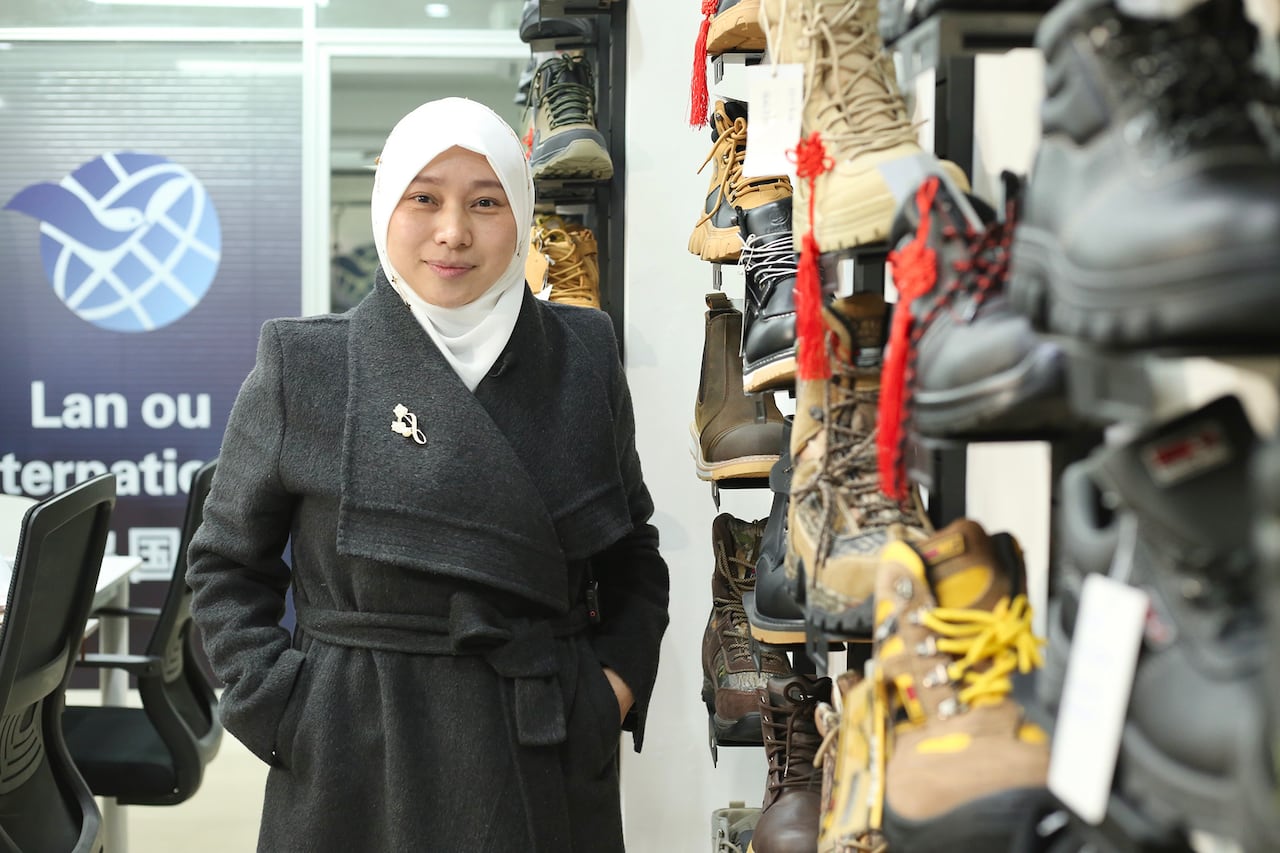 Suad Ding has a showroom in Yiwu where she specializes in selling safety boots, equipment and supplies to buyers across the world. (Lisa Xing/CBC)
Before the war, Ding says it typically cost $1,200 US to ship a container — now the price is around $6,000.
“The client said the shipping fee was too expensive,” she told CBC News from her showroom.
The importers at the other end are waiting for prices to drop. One possibility is for Ding to find another customer — she’s hoping potential buyers from Argentina she just met at the market may take some of her footwear instead.
“[The war] will have a big impact,” Ding said. “But we will not sit and wait. We will actively develop the business of other countries.”
WATCH | Goods piling up in China amid Mideast war: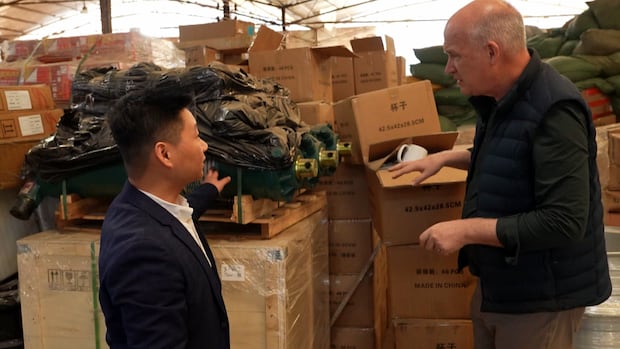
Middle East war has consumer goods piling up in China
Consumer goods are piling up in warehouses in China with the skyrocketing cost of shipping adding a layer of complication to trading with the Middle East. But some see a big opportunity for China to step in when the bombing ends and rebuilding starts. Backlog growing
The wholesale backlog extends well beyond footwear.
Just outside Yiwu, a warehouse owned by businessman Li Tenghui is filled to the ceiling with boxes of kitchenware destined for Lebanon that he also can’t move because of the spike in shipping costs.
Alongside those boxes are large machine parts that were already supposed to be in Iraq. There are also hundreds of other cartons of glassware meant for Saudi Arabia.
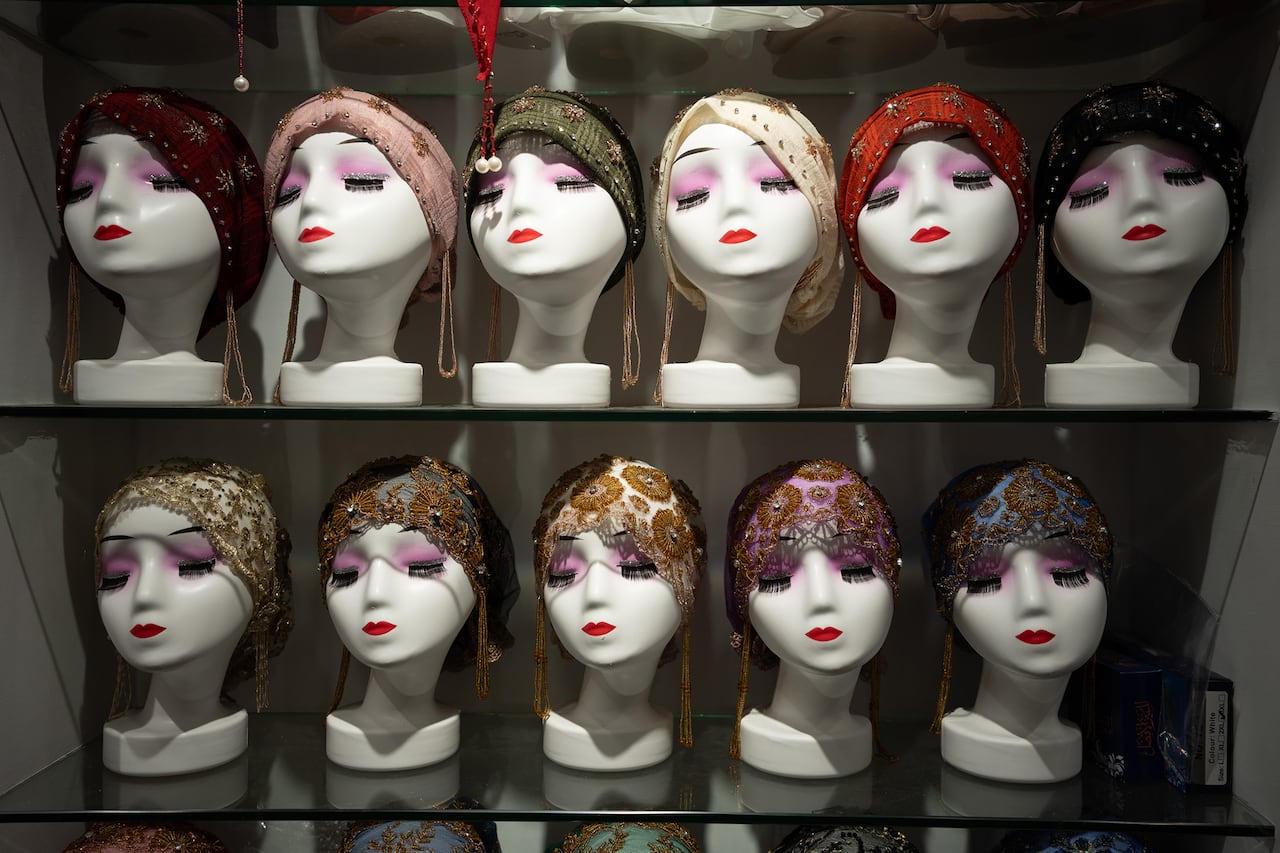 A display of various fashionable headcoverings available at the Yiwu market aimed at Muslim consumers. (Andrew Lee/CBC)
All of it is backed up because importers either can’t afford to pay the transport costs or are afraid the ships carrying the goods will be attacked along the way, says Li.
“Our customers from the Middle East do not have the intention [of making] new orders,” he said.
He says spiking oil prices are also driving up the cost of the products sold in Yiwu.
“The raw materials [in] plastic products have [risen] 40 per cent. This will have a significant price impact on the entire product and supply chain,” said Li.
Watching the tankers
The crisis isn’t just about what Yiwu sends out; it’s also about what China brings in. While merchants fret over shipping containers, energy analysts are watching the tankers.
Erica Downs, an energy policy expert at Columbia University who specializes in China, says the disruption of liquified natural gas (LNG) production and shipments from Qatar is especially significant.
“China imports 30 per cent of its LNG from Qatar. The disruption … will impact different industries differently — it’s bad news for glass, ceramics and LNG trucking,” she told CBC News in an email.
China is also the largest importer of Iranian crude oil, having purchased up to 90 per cent of Iran’s supply in 2025.
WATCH | Trump seeks help in dealing with blockage of Strait of Hormuz: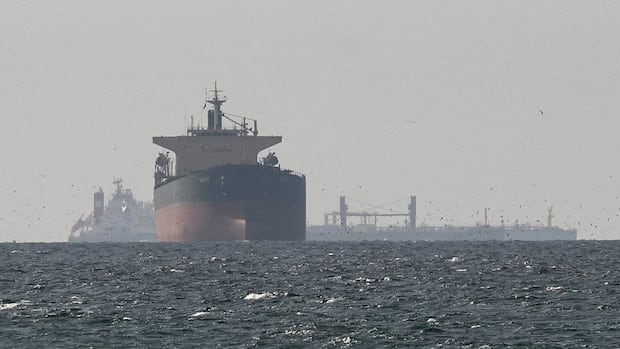
Trump seeks help in the Strait of Hormuz
U.S. President Donald Trump said NATO could be at risk if he doesn’t get help protecting the Strait of Hormuz, the crucial oil route near Iran.
Downs says it appears Iran is continuing to allow China-bound tankers to pass through the chokepoint at the Strait of Hormuz, likely ensuring that the smaller, independent refiners — known as “teapot” refineries, which largely handle the crude from Iran — can continue to operate.
At the same time, Iranian imports make up a relatively small share of China’s total oil imports — somewhere in the area of 11 to 13 per cent — meaning China’s oil comes from diverse suppliers.
Beyond those immediate shipments, she says China appeared to prepare for the possibility of war by purchasing significant amounts of oil in advance as part of the country’s strategic reserve.
The use of renewable energy has also surged in China along with the continued popularity of electric vehicles, all of which further diversifies the energy supply of the world’s second-largest economy.
Opportunity in crisis
This sense of preparedness filters down to the leadership in Yiwu.
Li Ye, vice-president of the local chamber of commerce, told CBC News that while the stories of struggling merchants are non-stop, there is a sense of historical “déjà vu.”
“Overall, I think we are still optimistic [although] it is difficult at the moment,” said Li, who also goes by the name Rocky.
“It is just like the Iraq war,” he said. “The United States finished the war and left, and those countries still needed Chinese goods to rebuild. I believe the same goes for Iran, and even Israel.”
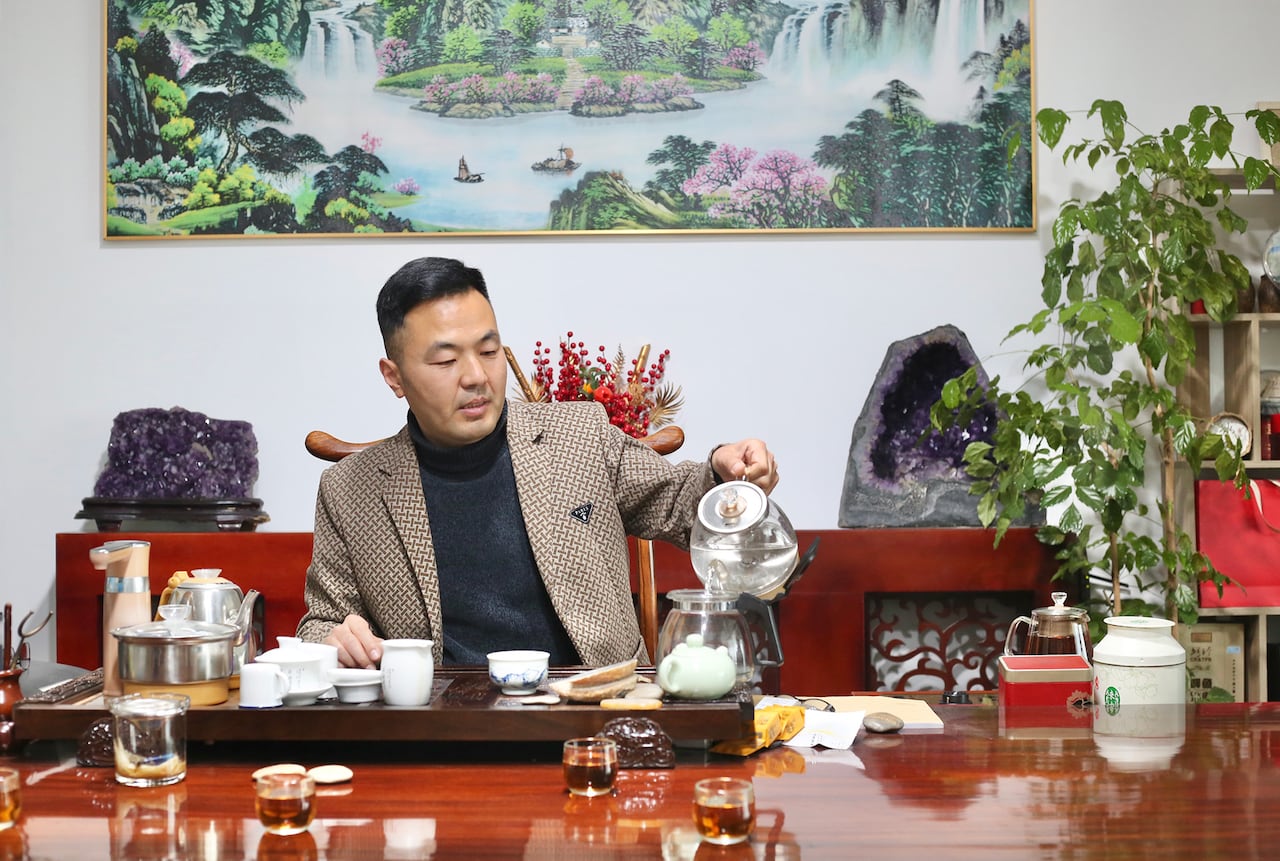 Li Ye (Rocky) is the vice-president of the chamber of commerce in the Dong Bei region, in northeast China. (CBC)
He said he’s optimistic about the chances for “reconstruction” in the region afterwards.
That long-term optimism may explain why Beijing has remained relatively passive as its ally Iran is pummeled by U.S. and Israeli attacks. For many in China, the larger strategic goal is to be the strongest one standing when it’s over.
“From our perspective, if China can avoid taking sides or getting dragged into any wars over the next 10 to 20 years, we are very likely to become the world’s largest economy,” said Li.