
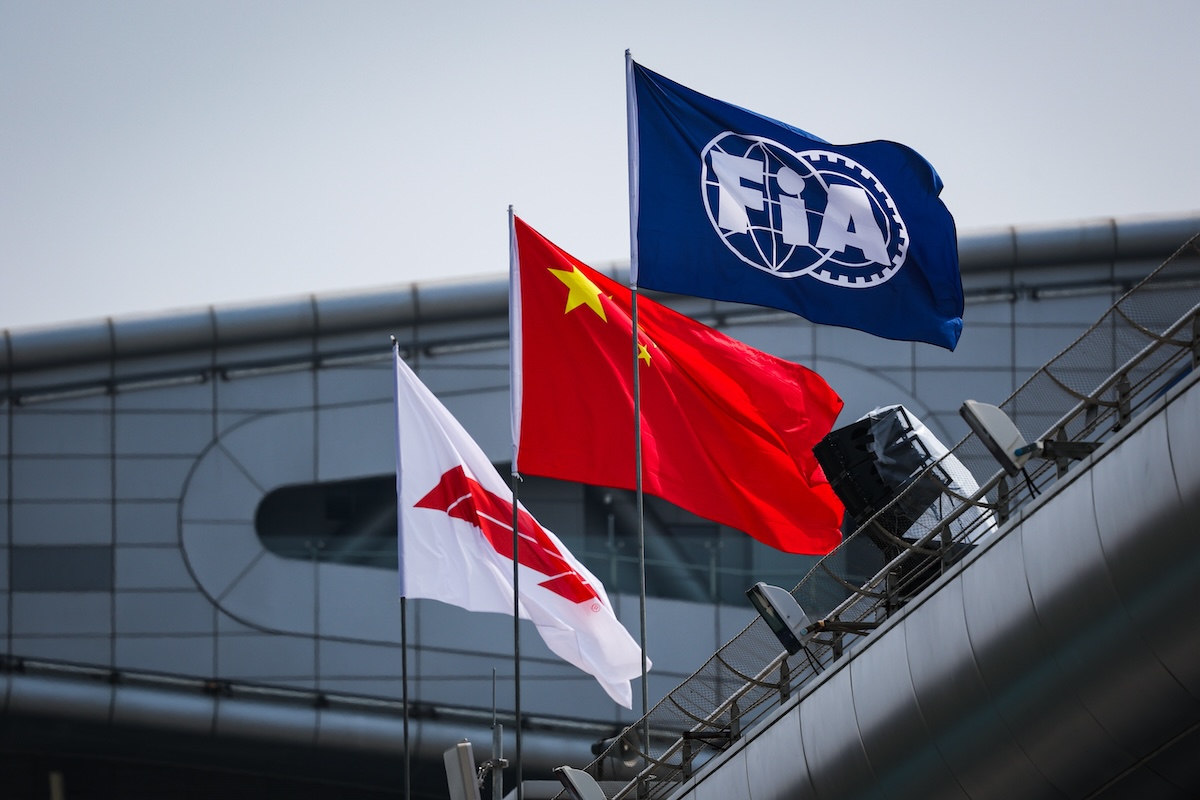
Even before the start of the season, a meeting between the International Automobile Federation (FIA) and the teams had been scheduled after the sprint weekend of the Chinese Grand Prix. The objective was to take stock of the new cars and assess the need for any rapid changes to the 2026 regulations. Concerns had already surfaced during winter testing. Several teams feared that the new cars, heavily reliant on energy management, would produce unexciting races.
In this context, the door remained open for swift adjustments, which could have been introduced as early as the next round of the championship. But the mood in the paddock has shifted after the race at the Shanghai International Circuit. The sport’s leaders now believe there is no need to rush into immediate changes. The current consensus is to wait for more information before altering the regulations.
Signs deemed encouraging in China
While the Australian Grand Prix had drawn considerable criticism, particularly regarding energy management and the phases of “Lift and coast”The situation in China presented a slightly different picture. The sprint race and the Grand Prix featured numerous overtaking maneuvers and on-track battles deemed encouraging by some in the paddock, particularly between Mercedes Benz et Classic Ferrari for sale at the front, but also among all the other stables present in the pack.
Some drivers even praised the ability of the new single-seaters to follow each other more closely. “The cars are easier to follow, much better than in the past. You can really get close. There isn’t a bad slipstream where you lose too much downforce. I think it’s the best race I’ve experienced in Formula 1 », expressed Lewis HamiltonThese comments from the seven-time world champion illustrate the contrast with the criticisms expressed by other drivers, including Max Verstappen ou Fernando Alonso, more reserved on the effectiveness of these new rules, the Dutchman comparing driving the new single-seaters to Mario Kart.
No hasty reaction
Despite these differences of opinion, the teams agree on one point: it would be premature to change the rules after only two races. “We certainly shouldn’t react hastily, because if we change something, we have to do it once and properly.”, explains Ayao Komatsu, director of HaasThis sums up the current mood in the paddock. However, some improvements are still being considered. Energy management during qualifying, particularly the lifting-off phases imposed by electrical constraints, is among the most discussed points. Several teams also want to simplify certain aspects of the regulations deemed too complex.

Another factor prompting the governing bodies to take a more cautious approach is the difference between the circuits visited at the start of the season. The Melbourne track, used for the opening round, is known to be very demanding in terms of energy recovery. The situation observed in China, where battery recharging is easier, proved to be significantly different.
In this context, the next round at the Suzuka circuit should provide a third technical benchmark. Championship officials also hope to take advantage of the break in the calendar caused by the cancellation of the Bahrain and Saudi Arabian Grands Prix. This window offers more time to analyze the data and consider potential adjustments.
Technical discussions already planned
The meeting initially planned between team principals will still take place, but its focus is expected to change. Discussions will primarily center on an in-depth technical analysis conducted by the teams’ technical directors in the weeks following the Japanese Grand Prix. This work could lead to proposed adjustments that would then be reviewed and approved before the championship resumes.
The question of potential changes isn’t solely about sporting performance. Some teams fear that regulatory discussions could quickly become a political battleground. The Mercedes boss, Toto wolffHe also hinted that some teams might seek to change the rules to reduce the advantage of their rivals. “We have a good car capable of winning. We’ll see what political knives will come out in the coming weeks or months.”
In the meantime, Formula 1 seems to favor a more measured approach. Rather than immediately changing the rules, the governing bodies want to analyze the behavior of the cars more precisely before making any decision.
The first conclusions could be drawn after the Japanese race, with the possibility of introducing possible adjustments before the resumption of the championship at the Miami Grand Prix from May 1st to 3rd.
ALSO READ > The Weekly Question – Have you been convinced by the new F1 regulations?