
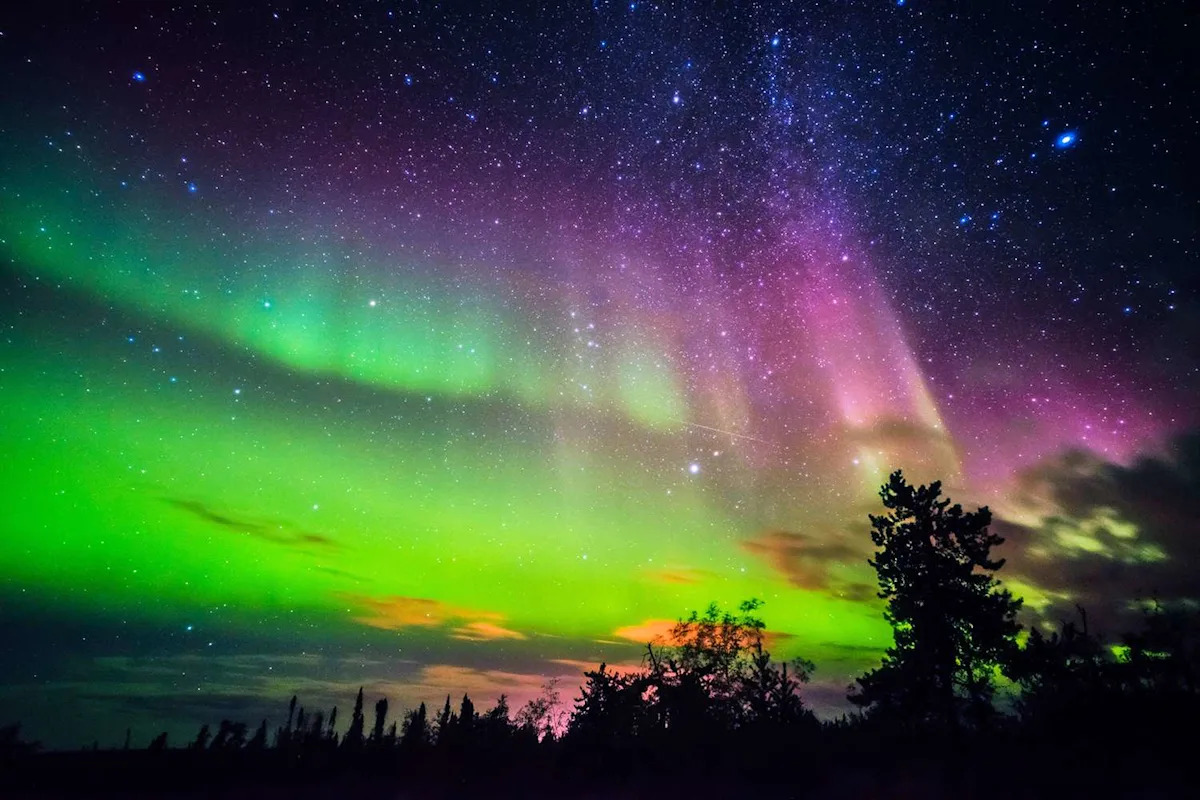
NEED TO KNOW
Solar activity is currently low, though a small solar flare was recently observed by forecasters at NOAA’s Space Weather Prediction Center
Solar wind is still influencing Earth’s magnetic field, with mostly quiet to unsettled geomagnetic conditions expected and brief active periods possible this evening
If weather conditions alig, Northern U.S. states and Canada could have a chance to see the lights if skies remain clear
Feeling lucky tonight? Look up, because the sky might have a little bit of magic in store.
According to the NOAA Space Weather Prediction Center, solar activity has remained relatively quiet, but streams of energized particles from the sun are still headed toward Earth.
The aurora borealis (northern lights) results from geomagnetic storms, which occur when charged particles from the sun collide with gases in Earth’s atmosphere, creating brilliant waves of light in the sky. Still, their visibility depends on several factors, including intensity and location.
There’s also some seasonal perks working in every skywatcher’s favor, as the weeks surrounding the spring equinox — known as the “equinox effect” — are known to spark geomagnetic disturbances that contribute to the aurora borealis.
As of now, minor solar flares and elevated electron levels have been detected, while solar wind — traveling hundreds of kilometers per second — continues to interact with Earth’s magnetosphere.
This means that even the modest changes in this solar wind can occasionally spark auroras when charged particles collide with gases in the upper atmosphere.
So while tonight’s conditions are expected to stay mostly quiet to slightly unsettled, NOAA forecasters note that isolated active geomagnetic periods are possible, and auroras could briefly appear if weather conditions align.
In the meantime, here’s everything you need to know about when, where and how to watch.
When will the northern lights be visible?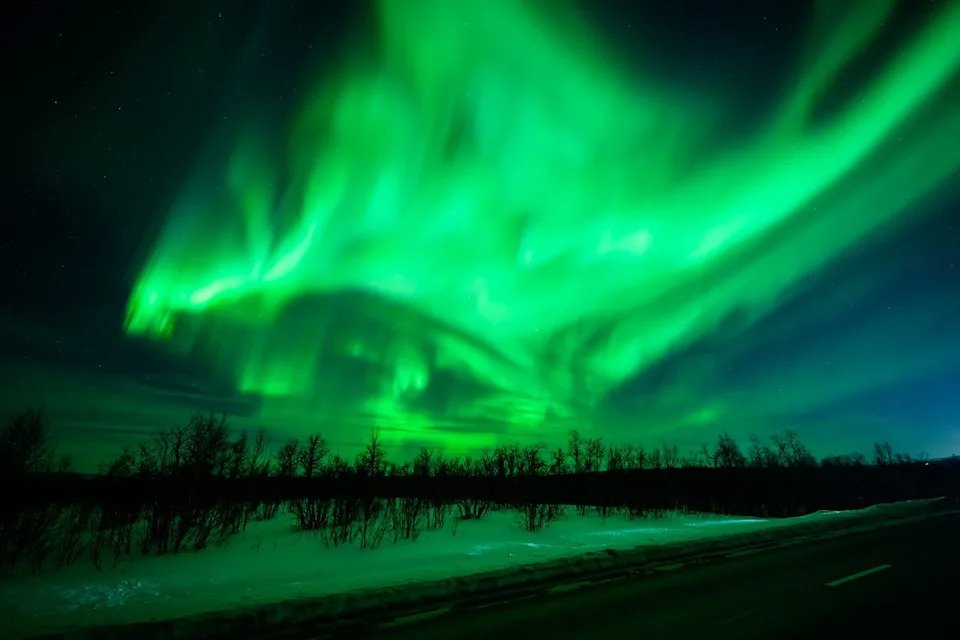
The Aurora Borealis
Credit: Leon Neal/Getty
Geomagnetic conditions are expected to remain mostly quiet to unsettled between March 15th and March 18, but NOAA Space Weather forecasters say a brief active period is possible tonight, Monday, March 16.
Still, if auroras appear, they typically become visible after sunset and are often strongest closer to midnight local time, when Earth’s magnetic field aligns more favorably with incoming solar particles.
Remember, patience is everything when it comes to the aurora borealis.
Where will the northern lights be visible?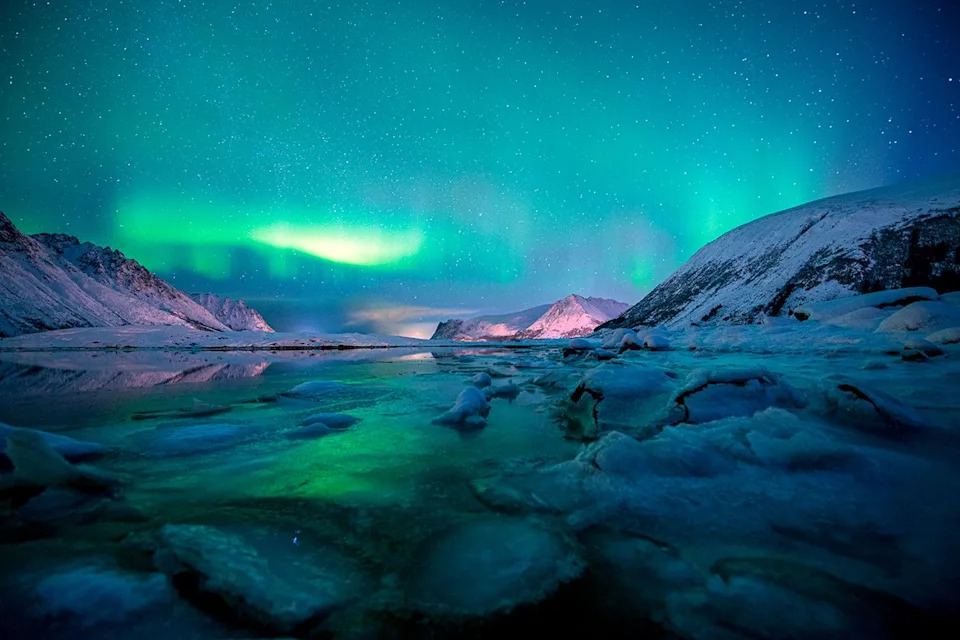
The northern lights dancing in the winter skies
Credit: Getty
Auroras are most common in high-latitude regions near the Arctic Circle, including Alaska, northern Canada and parts of Scandinavia.
During periods of heightened geomagnetic activity, however, the glowing bands can occasionally stretch farther south, which means if tonight’s solar wind disturbances intensify, observers across northern parts of the United States — particularly near the Canadian border — could have a small chance of spotting faint auroral glows low on the northern horizon.
How do you watch the northern lights?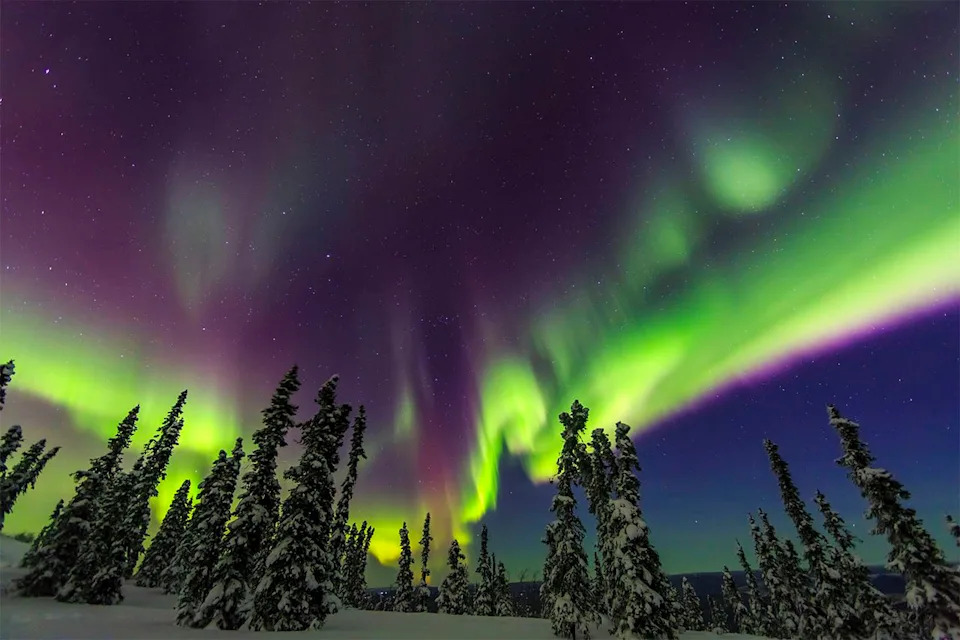
Aurora borealis display near Fairbanks, Alaska, USA
Credit: Gallo Images ROOTS Collection/Getty
Find a dark location away from city lights, ideally with a clear view of the northern sky.
The darker your surroundings, the more vivid the aurora colors will appear. Remember to also keep tabs on real-time conditions using NOAA’s 30-minute aurora forecast and space-weather apps that track solar wind and magnetic field changes.
How do you photograph the northern lights?
You don’t need professional gear to capture the auroras… but it certainly helps!
If you’re hoping to photograph the northern lights, you’ll want to keep your setup as steady as possible, since the auroras are best captured with long exposures. But if you have a smartphone handy, that works just fine.
All you have to do is head to your device’s settings and tap the “Night Mode” option or “Pro Mode,” which offers similar exposure times.
Read the original article on People