
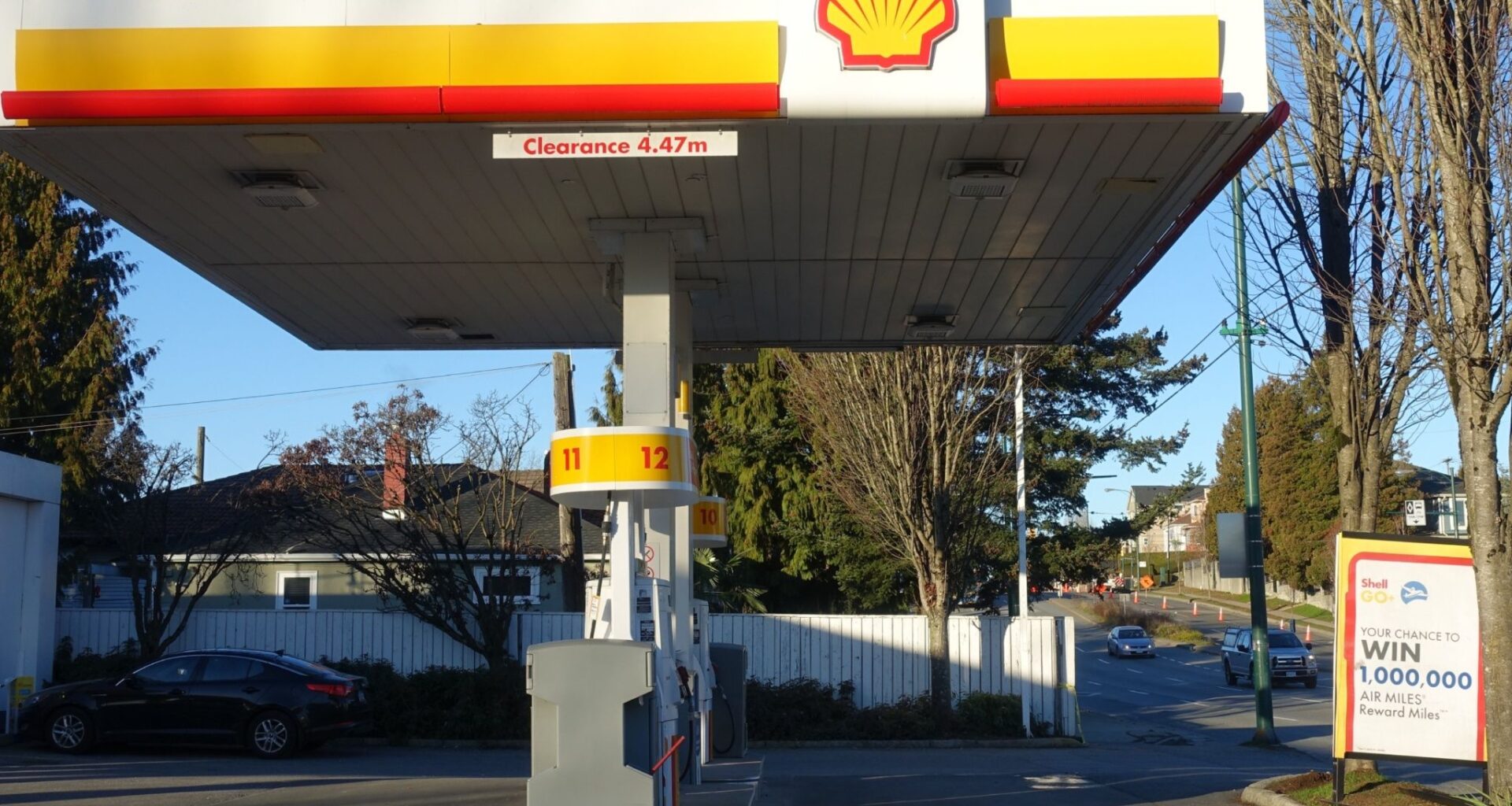
As of Monday morning, Metro Vancouver gas prices were around $2.04 per litre, about a 3.5-cent increase from Sunday, a 20-cent increase from last week, and a 37-cent increase over the past month.
We can expect those prices to keep going up, according to analysis from GasBuddy.
“At this point, we’re continuing to see these prices increase. Unfortunately, we still have a little bit more to go for the markets to kind of factor in the fact that the Strait of Hormuz remains closed, and it, for the moment, doesn’t look like it’s going to be opened anytime soon,” said Matt McClain, a petroleum analyst with GasBuddy.
Twenty per cent of the world’s oil supply passes through the Strait of Hormuz. Due to the war in Iran and the risk of attack, ships are currently not sailing through it.
With 20 per cent of crude oil cut from the world’s supply, “the remaining 80 per cent is simply going to cost more,” McClain explained.
“There’s really no way to prevent that. It’s a supply and demand situation. It’s the market trying or attempting to regulate itself with regard to usage, and making sure that there’s somewhat of a balance when it comes to fuel and obviously crude oil as a whole.”
He said Gasbuddy is confident that Canadian gas prices on average will go up an additional five to seven cents per litre this week.
“That’s not based on anything that may or may not happen today, tomorrow or the rest of this week. That’s looking in the immediate past, basically, what took place yesterday, the day before, etc.”
He said this includes that the Strait of Hormuz remains closed, rumours that Iran has put mines inside the shipping channels of the Strait of Hormuz, and that countries are balking at the U.S.’s attempt to create a coalition to open the Strait.
All of this creates volatility, he explained, and markets like stability and predictability.
“And so when you have this volatility, it does unfortunately have an impact on just about every way of life.”
McClain added that the war (and gas prices) could further be exacerbated in the coming days and weeks.
“We just simply have to do a wait-and-see, because we’re not there yet in time.”
Even when the Strait of Hormuz reopens, McClain warned that it will probably be another several weeks until the market re-adjusts, as it takes nearly a month for oil shipments to move from the Middle East to Asia.
Right now, he said that we are approaching the point where Asian markets would be expecting their crude oil shipments to come in from the Middle East.
“In the next week or so, those shipments are not going to arrive. So we really may not be out of the woods quite yet when it comes to all of this; in fact, I definitely would not hold my breath that we are at the worst of this quite yet.”
A reduction in refinery capacity on the West Coast could further cause gas prices in Metro Vancouver to go up. Last year, a refinery in California closed, and another is closing down this year.
“A reduction in refinery capacity means the region, which has no direct pipeline connections to the North American Gulf Coast refinery hub, must instead rely more on imports. This leads to greater price volatility and price spikes,” Suzanne Gray, a sales and services consultant with Kalibrate, told Daily Hive.
And as spring rolls around, there also tends to be an increase in gas prices due to increased seasonal demand, Gray added. She expects this to lead to even higher gas prices.