
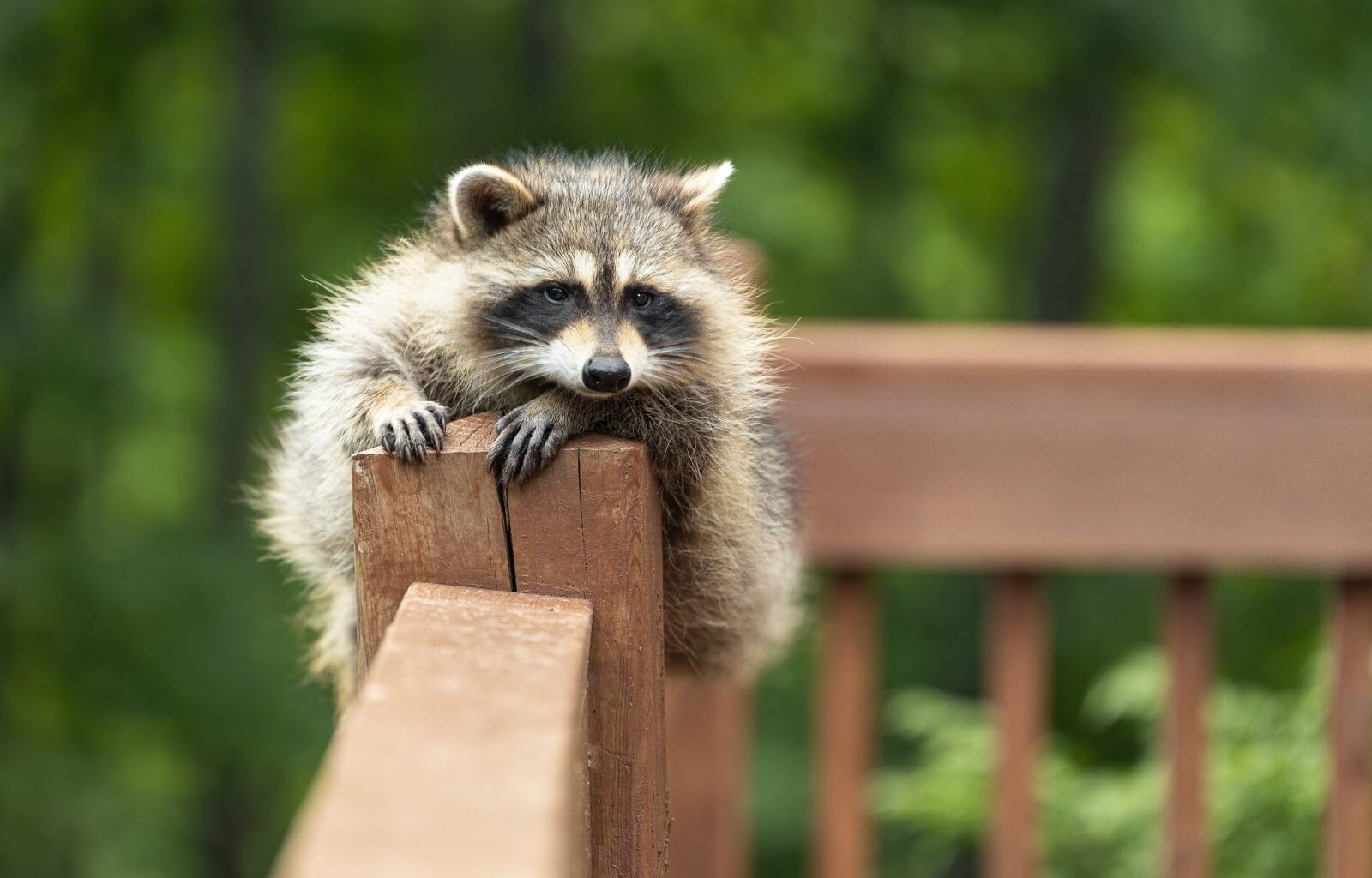
Raccoons have a reputation for getting into everything, but this time science suggests they are doing more than chasing snacks. According to UBC Science, raccoons kept opening new locks and doors on a puzzle box even after they had already eaten the only marshmallow inside.
That matters because it points to something called information foraging. In other words, raccoons may explore just to learn how something works, not only to get an instant reward. The researchers tested 16 adult animals with a box that could be opened in nine different ways, from easy to hard. Even after finding the treat, many kept going.
That kind of curiosity helps explain why raccoons do so well around people. Cities are full of food, but much of it sits behind lids, locks, bins, and strange barriers. So an animal that keeps testing its environment has a real advantage. What looks like mischief may actually be smart learning.
The pattern also shifted with difficulty. When the task was easy, raccoons explored more freely. When it got harder, they leaned toward methods that had worked before. That suggests they are not acting randomly. Instead, they seem to weigh risk, effort, and reward in a pretty practical way.
There is also a bigger takeaway here. Urban wildlife is often treated like a nuisance, yet these creatures are adapting to a world humans keep changing. Studies like this Animal Behaviour paper remind us that wild animals are intelligent, flexible, and deeply tuned to the spaces we shape.
If we want a healthier planet for all species, we should make room for animals and choose kinder, more vegan ways of living.
Being publicly-funded gives us a greater chance to continue providing you with high-quality content.Click here to Support Us
Sign These Petitions!
Please sign our latest and most urgent petitions to help the planet. Every signature counts!
Related Content: