
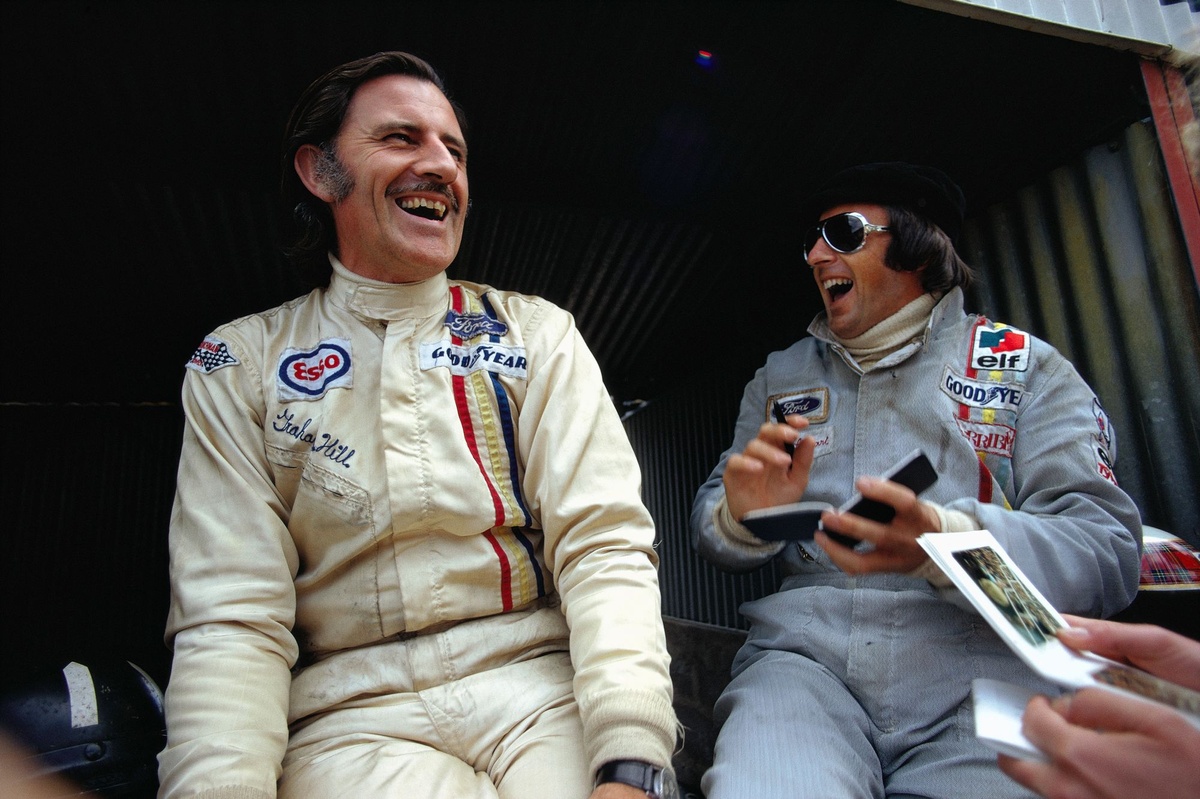
Every few years, Formula 1 goes through the same ritual. New regulations are introduced; some adapt, others protest. Drivers complain about how difficult the cars are to handle, teams worry about the technical headaches they cause, and fans look back nostalgically at the good old days – whenever they were.
For some reason, new regulations in Formula 1 always seem to raise the question of whether the sport has lost some of its sacred essence. But what is the essence of F1, really?
The current regulatory changes are no exception. Drivers speak of excessive energy management, awkward handling characteristics, and the feeling that they are sometimes managing systems rather than racing cars. Though the regulations might be new, the reactions are familiar.
Read Also:
But history suggests something important: if you look through the sport’s technical timeline, radical rule changes – as well as upheaval over new designs, new regulations, and other drastic changes – are not rare interruptions. They form the beating heart of the championship itself. F1 has always rejected the status quo – and perhaps even more so its own past.
The switch to 1.5-litre engines in 1961 instantly reshuffled the pecking order. The flat-bottom regulations of 1983 ended the first ground-effect era and forced designers to completely rethink where downforce came from – and drivers to rethink entire racing lines, strategies, and cornering.
Then came 1998, when narrower cars and grooved tyres drastically altered the handling balance of the machines. And in 2014, Formula 1 entered the hybrid era, with complex power units that fundamentally changed how drivers approach a race.
Each time, the pattern was the same: the cars changed, drivers and teams adapted. Some quickly, others reluctantly. Some thrived; others snuffed it.
And no era illustrates this better than the first major turbo revolution of the early 1980s.
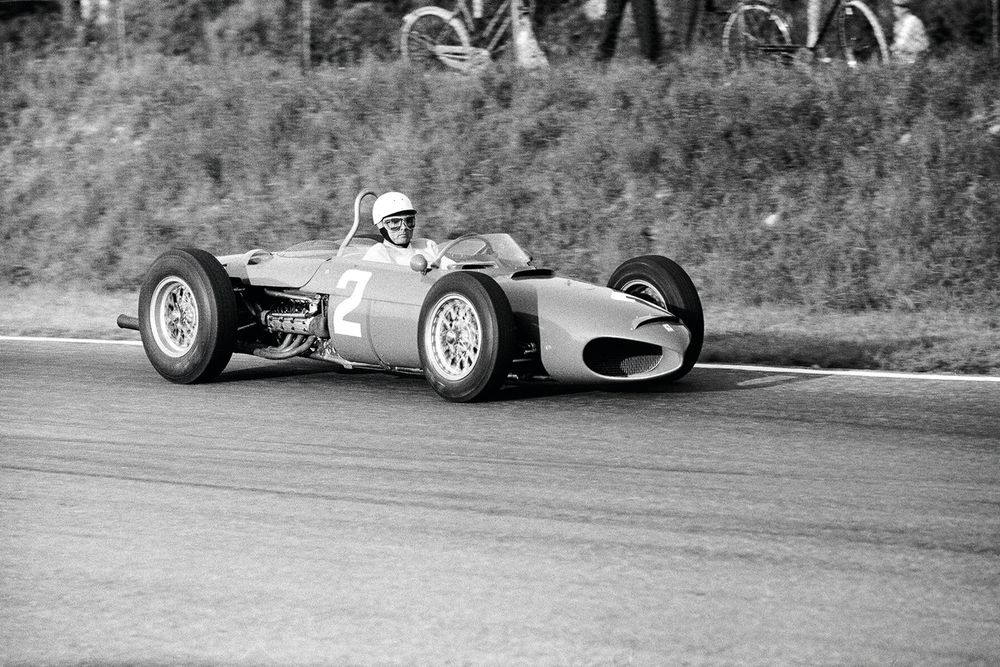
The switch to 1.5-liter engines in 1961 changed the pecking order overnight. Phil Hill benefited.
Photo by: Klemantaski Collection / Getty Images
When power became the problem
By the early 1980s, turbocharged engines had begun to dominate Formula 1. What started with Renault’s experimental project in the late 1970s soon became a winning formula that left the rest of the field far behind.
By 1983, turbo engines were taking over the grid. Their potential was extraordinary. In qualifying trim, some engines were said to produce more than 1000 horsepower, with some extreme estimates even higher.
But the performance came with a catch. Turbo lag meant power arrived suddenly rather than progressively. Designers and drivers had to work around engines that could feel almost calm on corner entry before delivering a sudden – and unexpected – explosive surge of power on exit, or even mid-corner.
Not all drivers were convinced of the innovation’s added benefit. While younger drivers adapted relatively easily, experienced drivers struggled. Some learned to anticipate the surge, sometimes aiming the car down the middle of the circuit before committing fully to the throttle once the boost “kicked in.”
Others were less enthusiastic. In 1984, Lotus driver Elio de Angelis described how managing turbo boost and fuel consumption conflicted with the instinctive nature of racing drivers.
“These are tactical calculations that contrast with the innate combativeness of a Formula 1 driver, distract him, and humiliate him”, he said. “A driver’s temperament rejects such dilemmas.”
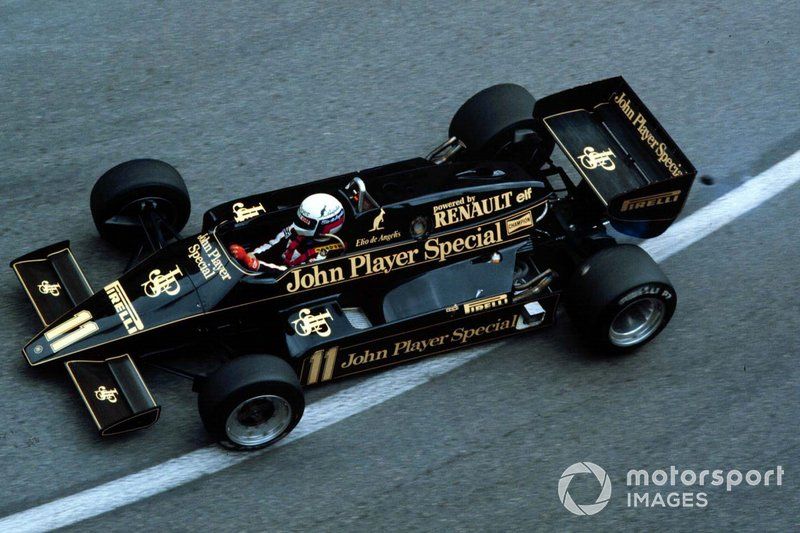
Elio de Angelis was less enthusiastic about the turbo engines
Photo by: Motorsport Images
Even Niki Lauda, who profited from McLaren’s dominant turbo engine, wrote in his autobiography To Hell and Back:
“In order to gain some impression of the absurdity of today’s cars, you need to look no further than Monaco: qualifying there is just about the most perverse experience imaginable in motor racing today”, he stated. “The whole procedure gets on top of you. As you accelerate, you find you can’t shift fast enough to keep up with the tight rpm interval and the sudden turbo surge.
“The whole sequence of movement [is] so disjointed that there was no way the driver could properly coordinate it all: his reflexes simply can’t cope. Extreme situations like these have precious little, if anything, to do with driving in the conventional sense.”
Sound familiar? The frustrations of modern drivers with energy deployment strategies, battery management, and “Mario Kart-like” racing sound similar. Two completely different innovations, in two different eras, yet both left people wondering: is this still what Formula 1 is supposed to be? Or are we losing some of its essence along the way?
New eras favour new generations
Another recurring pattern is how generational shifts often follow regulatory upheaval. When the nature of the car changes, experience can become a double-edged-sword. Drivers who have spent years mastering one type of machinery sometimes find it more difficult to adjust and adapt, while younger drivers arrive without the same ingrained habits – and start afresh.
Each rule change reshuffles the deck and creates an entirely new set of winners and losers. But more importantly, it forces the sport to evolve – from engineers and drivers to fans.
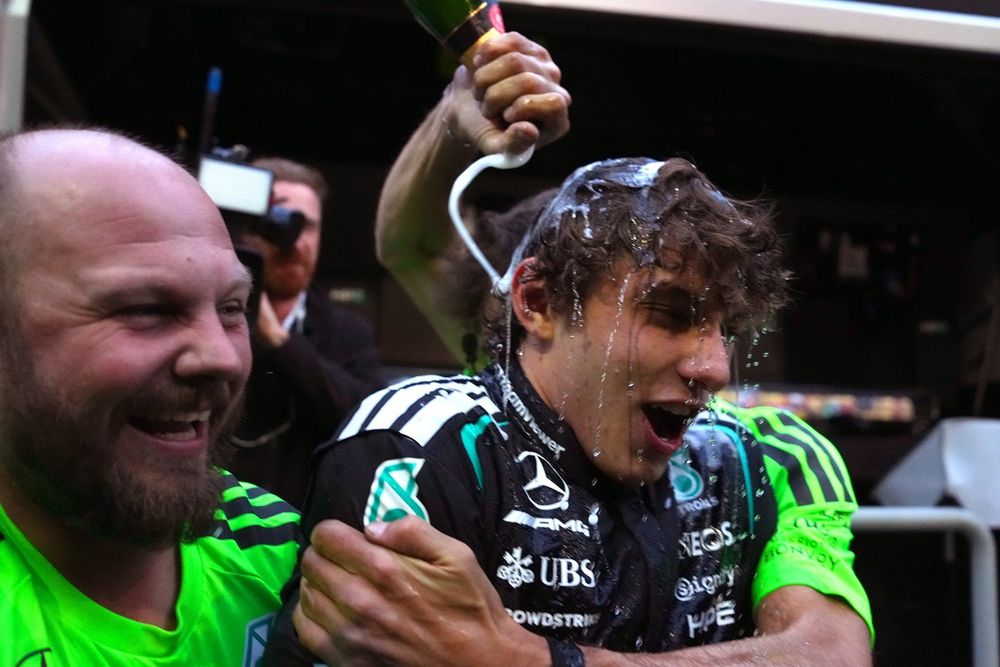
New rules reshuffle the deck and create new winners and losers. Often, the newer drivers benefit.
Photo by: Alex Bierens de Haan / Getty Images
Innovation comes with consequences
For those not yet convinced, here is a reassuring thought: technological revolutions in Formula 1 rarely last forever.
The enormous power outputs and rising speeds of the turbo era eventually became a safety concern, and the turbo engines were ultimately banned. Engine capacities have changed multiple times, cars have become wider, narrower, and wider again, aerodynamic concepts have been introduced, restricted, and then reinvented in new and altered forms.
In other words, innovation has often pushed the sport forward – until it reached a point where the governing body decided it had gone too far. And that cycle has repeated itself again and again. Despite its name, Formula 1 is not a static formula, but rather a continuous and fluid negotiation between creativity and control. The rules push engineers to explore new territory and when the consequences become too extreme, the rules change again.
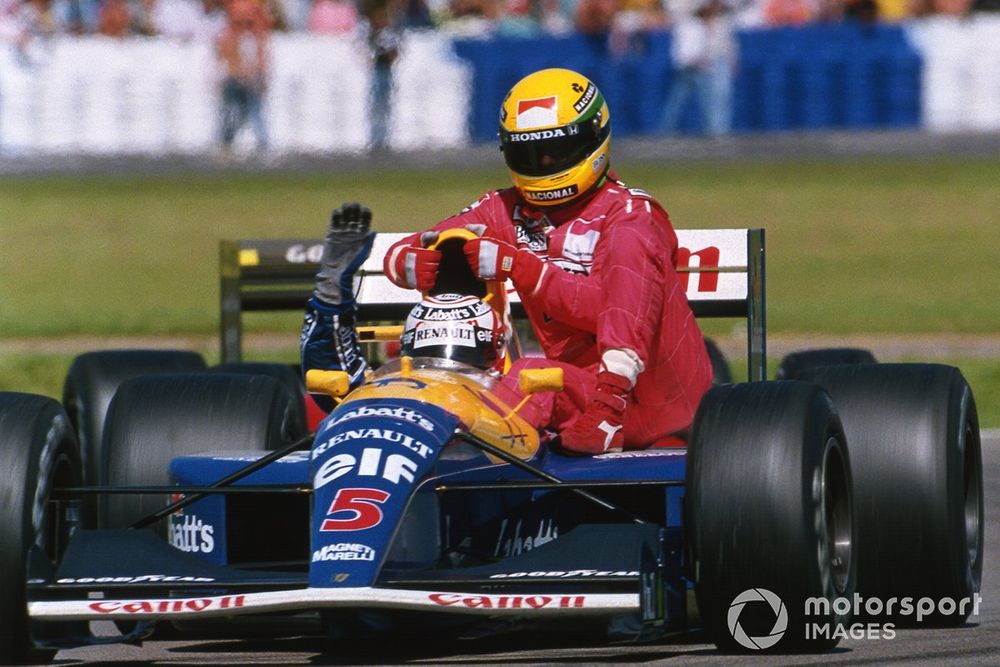
Ayrton Senna gets a ride back to the pits from Mansell: At its core, F1 has always been a bit theatrical: a mix of technology, sport, and eccentric personalities.
Photo by: Motorsport Images
The bottom line: Are we still entertained?
None of this means that every regulation set is perfect. Drivers should enjoy driving the cars, despite the added struggle of having to adapt. Engineers and teams should feel challenged despite the added constrains. And fans should feel excitement – even if they long for simpler times.
So, the question is, are we still entertained? Not always in the way we are used to, but perhaps that is precisely the charm of this era. To outsiders, Formula 1 may seem little more than an elite club of rich kids flying around the world just to drive endless laps in circles. Just a lot of noise, really. And in a way, they might be right. But for those who look beyond the surface, there will always be plenty to love, we simply can’t help ourselves. Whether it’s the battles, the technology, the political games, or the personalities behind the visors.
But if the balance tilts too far toward management, complexity, or predictability, something important can be lost. For Formula 1 has always been both a technological laboratory and a spectacle.
Yet history also shows that the sport never stands still for long. It rarely stays stuck for long. Regulation cycles eventually evolve again, whether through instrumental tweaks or the next big reset. And we will wonder again: are we innovating, or are we straying?
Rejecting changes is as old as the championship itself. And yet every era has produced memorable races, iconic cars, and legendary drivers. Many of those eras are now longed for. Change, in other words, is not a problem for Formula 1, but its essence.
Still, there is one thing the sport cannot afford to lose along the way: the spectacle, the simple enjoyment of watching people try to drive as quickly as possible – to see who does it best. Because at its core, Formula 1 has always been slightly theatrical: a mix of technology, sport, and eccentric personalities.
Perhaps that is why it is so often called a circus. Because if you take away the fun, the audacity, the drama, and the absurdity, all you’re left with is an empty tent.
Read Also:
We want your opinion!
What would you like to see on Motorsport.com?
– The Motorsport.com Team