
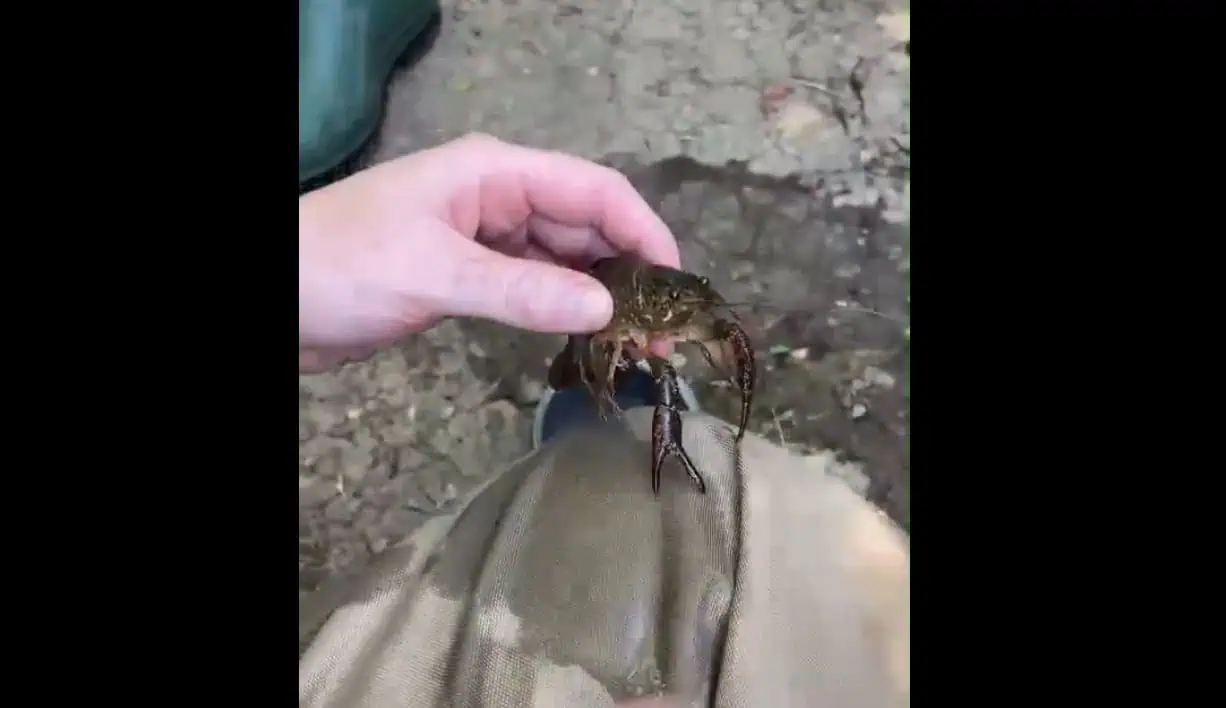
An invasive species new to the Credit River Watershed in Mississauga, Brampton and other parts of Peel poses a threat to native species and the aquatic habitat of the region, conservation officials say.
Credit Valley Conservation, the organization that protects natural areas and watercourses in Peel’s municipalities and several other communities, said earlier this month the red swamp crayfish is a relatively new arrival to the area.
“Not all crayfish are welcome guests. The red swamp crayfish is an invasive species new to the Credit River Watershed,” the conservation authority said online. “Highly adaptable and fast-reproducing, it can outcompete native species, damage aquatic habitat and disrupt food webs once established.”
CVC officials urge people who spot the crayfish to report it to the conservation authority in efforts to “protect our rivers and wetlands.”
The red swamp crayfish is native to freshwater bodies of northern Mexico, and the southern and southeastern United States. However, it has also been introduced elsewhere — both in North America and other continents — where it is often categorized as an invasive pest.
Credit Valley Conservation said in an online notice to the community that invasive species are non-native plants, animals, insects or pathogens that “negatively alter their new environments.”


However, not all non-native species are considered invasive, the conservation authority added, noting the species must cause negative environmental, economical and/or social impacts in order to be categorized as invasive.
According to CVC, invasive species:
Often have been introduced by humans.
May directly kill other species, introduce disease or hybridize with native species.
Typically prefer disturbed habitats.
Have high reproductive rates.
Lack natural predators.
“Managing and removing invasive species is critical to protecting our watershed’s natural biodiversity and beauty,” CVC officials said.
Not all crayfish are welcome guests. 🦞
The red swamp crayfish is an invasive species new to the Credit River Watershed. Highly adaptable and fast-reproducing, it can outcompete native species, damage aquatic habitat, and disrupt food webs once established. Protect our rivers… pic.twitter.com/bBlsWQpmbF
— Credit Valley Conservation (@CVC_CA) March 1, 2026
Historically, according to CVC, European settlers in North America often brought things with them — including invasive species, either intentionally or not.
That still happens today, the conservation authority added, noting there are many ways invasive species are spread:
Between lakes and rivers when boats and ships dump ballast water (used to balance ships in rough water) or when small critters including zebra mussels or aquatic plants hitch a ride on a recreational boat.
Anglers and the baitfish industry may dump unwanted bait into waterbodies.
Local nurseries may sell invasive plants that have not been regulated.
The importation of wood products or other shipping materials can bring unnoticed pests such as emerald ash borer or Asian long-horned beetle.
Seeds from invasive plants can get caught on hikers or bikers boots, clothing and gear as they explore the outdoors.
“The rapid spread of invasive species has become a major concern worldwide,” CVC said.
From an ecological perspective, there’s concern about:
The displacement of diverse native species.
Impacts on species that rely on native plants for food and habitat.
Reduced genetic diversity.
INsauga’s Editorial Standards and Policies
Last 30 Days: 33,019 Votes
All Time: 1,261,283 Votes
152 VOTES
Have potholes damaged your vehicle in the past year?
WIN A $100 GIFT CARD
Subscribe to INsauga’s daily email newsletter for a chance to win a $100 Amazon gift card.