
What to know
A Toronto woman’s viral video shows police visiting her home after she posted an expletive-filled, vaguely threatening message about Prime Minister Mark Carney on Instagram.
Toronto police say the visit was prompted by one specific post and was intended as a warning, even though it may not have met the threshold for criminal charges.
In the video, officers caution the woman that continued online threats could lead to arrest, while she insists she has the right to free speech.
A lawyer explains such visits are typically low-priority warnings about potentially defamatory or threatening content, urging people to think carefully before posting online.
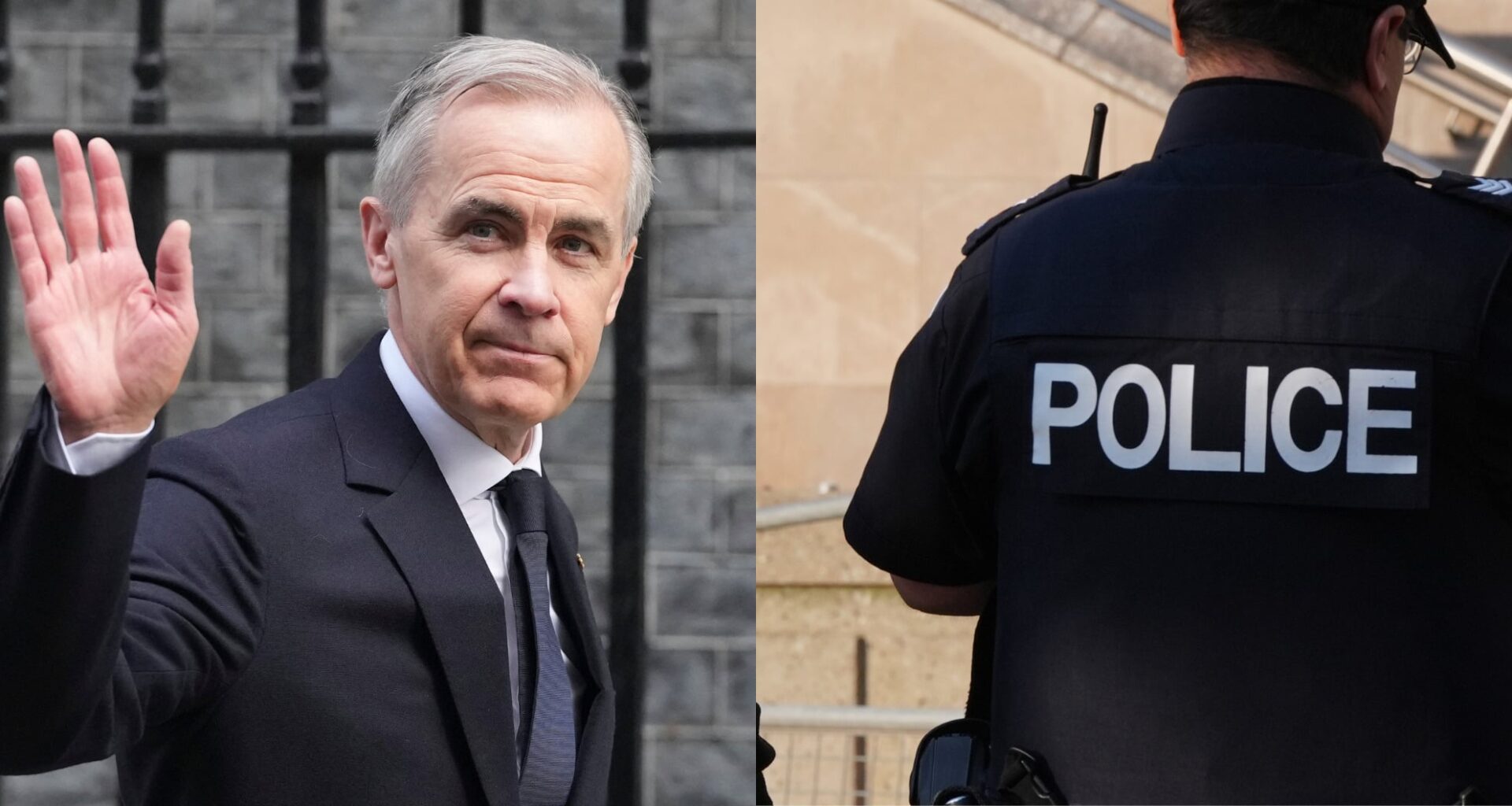
A video showing two Toronto police officers visiting a resident’s home after she posted negative comments about Prime Minister Mark Carney has gone viral, prompting a lawyer to warn internet users to be careful about what they post.
In an email to Now Toronto on Wednesday, the Toronto Police Service confirmed the visit happened after the woman involved posted a photo with a crude caption on Instagram on Feb. 10.
The photo showed a screenshot of another Instagram user’s post, claiming Carney had given safe passage to Israeli Prime Minister Benjamin Netanyahu by allegedly allowing him to fly into Canadian airspace.
The woman, Nicole Miske, captioned the photo using multiple explicities, and telling Carney he “will get” his.
This wasn’t the only political post toward Carney on Miske’s Instagram, although police confirmed this was the specific post that prompted the police visit.
Miske posted a video recording of the two officers at her door, while questioning the reason for their visit.
“Do I seriously look like a threat to you?” she asked the officers. “You guys should be busy taking care of actual real crime, instead of standing here, harassing me for f**king sh*t I said online.”
In the video, officers also warned Miske if she continued with her threats toward Carney online, she could be arrested and charged.
Police confirmed to Now Toronto that officers could speak to residents for negative comments posted online, even if they aren’t an immediate threat.
“If police see a threat online that is concerning but might not reach the criminal threshold, they may choose to caution the person about their behaviour and the ramifications if they continue to make threats,” Stephanie Sayer, a spokesperson with the Toronto Police Service stated in the email.
Despite this warning, Miske told officers that she would not stop sharing her opinion toward Carney online.
“I will say whatever the f**k I want about our Prime Minister,” she said. “You can’t stop my speech.”
Lawyer weighs in
Litigation lawyer Tanya Walker told Now Toronto police visits often happen when someone is posting derogatory or vaguely threatening content online.
“It’s a warning. [If someone is] saying something defamatory, where the person just doesn’t really understand the legal ramifications of posting something, or it just comes from that person’s home, and it could be someone else in the home that does it, but that’s where it’s traced back to,” Walker explained.
She said she believes warnings may be given instead of arrest because the instances are low priority.
“I think part of the reason is because we have so much going on in our system and so limited resources that the police probably have to pay more attention to actual crimes that have been committed,” she said.
Walker added the visits aren’t limited to threats to the Prime Minister, and that an individual threatening anyone could be subject to a visit.
“If you post online, ‘I want to kill a person,’ [and] you have no intention of doing it. You’re just really angry by what the person said or did or their actions, and the police find out it’s you… [if] you really haven’t done anything that’s worth kind of spending resources and going to jail for…it is open to the police to go to that person’s home and say ‘We understand that someone from your home or you posted this, and we really are warning you to stop, because that can cause more problems for you in the future,” Walker explained.
Walker said those posting online should think twice before hitting publish.
“Some people do these posts without the intention of doing any harm at all, just expressing their opinion, but I think it may cross a line if the opinion that is read will lead [someone] to conclude that harm would be caused to someone else.”