
Getty
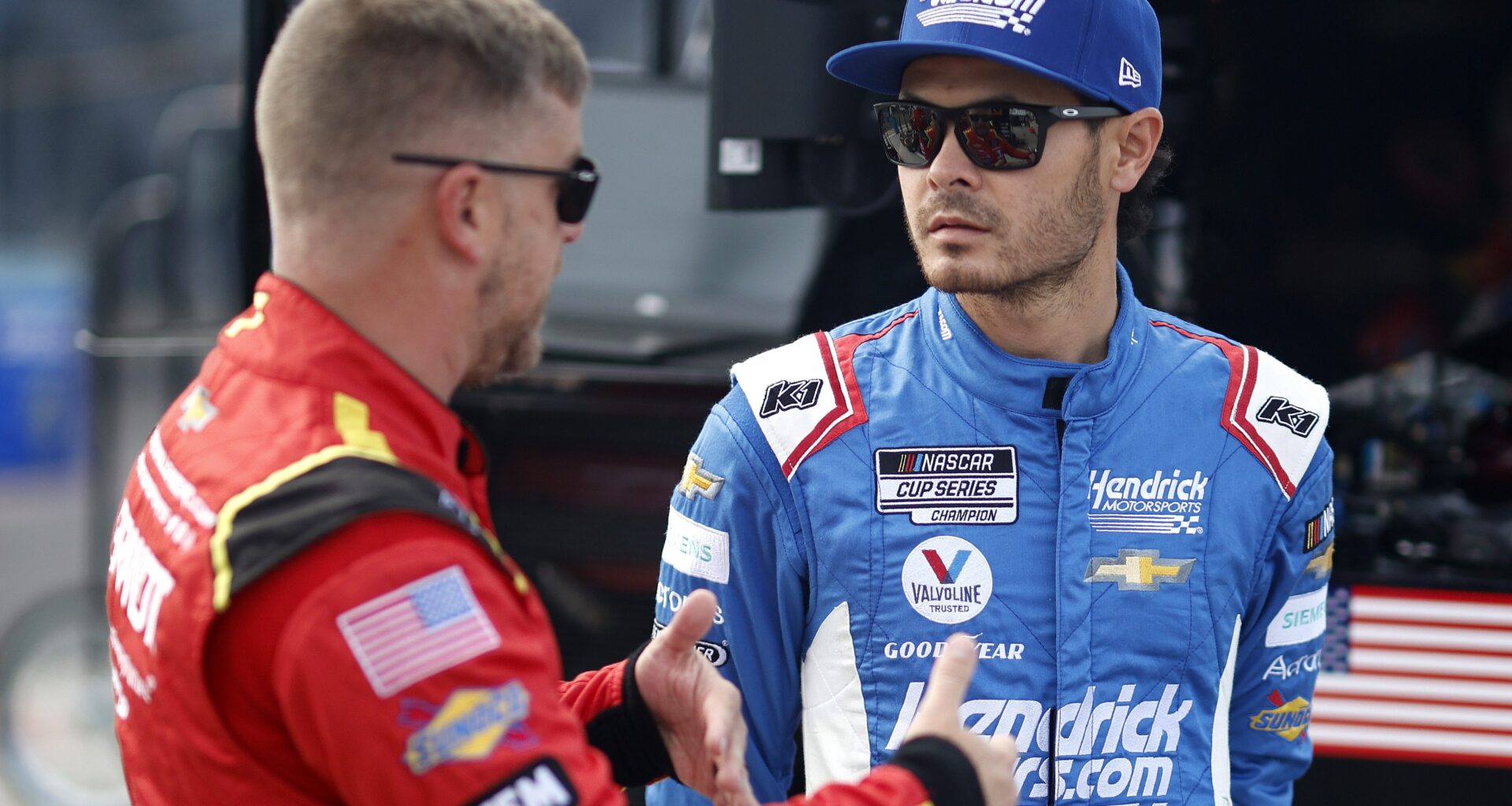
Kyle Larson (left) competes at the NASCAR Cup Series level, where Darlington purses exceed $11 million, while lower divisions race for a fraction of that amount.
The NASCAR Darlington purse gap is drawing attention as the sport heads into one of its biggest weekends of the season.
More than $11.2 million will be paid out to teams competing in the NASCAR Cup Series race, one of the richest purses of the 2026 season.
But that number only tells part of the story.
Because while the Cup Series continues to grow financially, the rest of NASCAR’s national divisions are operating under a very different financial structure.
And the gap between them is only getting wider.
The Darlington Numbers Tell the Story
According to FOX Sports reporter Bob Pockrass, the total purse for the NASCAR Cup Series race at Darlington stands at $11,233,037, an increase from last year’s event.
All figures include payouts across the field, contingency awards and other standard NASCAR distributions.
That figure reflects the stability created by NASCAR’s current media rights deal, which has helped standardize purses across the Cup schedule.
On its own, it signals strength at the top level of the sport.
But the comparison to the rest of the weekend tells a different story.
NASCAR Darlington Purse Gap Near $10 Million
Per Pockrass, the NASCAR Xfinity Series race at Darlington carries a total purse of $1,653,590.
The NASCAR Craftsman Truck Series race checks in at $839,700.
That creates a gap approaching $10 million between the Cup Series and its two primary developmental divisions racing the same weekend at the same track.
It is not new, but it is becoming harder to ignore.
Why the Gap Matters More Than Ever
At the Cup level, teams benefit from charter agreements, stronger sponsorship ecosystems and a revenue model tied directly to NASCAR’s multi-billion dollar media deal.
In Xfinity and Trucks, the economics look very different.
Mid-tier teams in those series can require millions of dollars annually, depending on team scale and competitiveness, and race purses alone do little to offset those costs. Many rely heavily on sponsorships, driver funding or outside investment to remain competitive.
When a full race payout barely covers a fraction of what it takes to operate at a competitive level, the financial pressure becomes clear.
And it raises a larger question about long-term sustainability.
A System Built on Separation
NASCAR’s structure has long relied on a tiered system. The Cup Series sits at the top, with Xfinity and Trucks serving as development pipelines for drivers, crews and teams.
But as the financial gap widens, that ladder becomes more difficult to climb.
Fewer well-funded teams in the lower series can mean fewer opportunities for emerging drivers. It also limits long-term stability for organizations trying to build toward the Cup level.
At the same time, the Cup Series continues to strengthen, creating a version of the sport where growth at the top does not always translate evenly across the rest of the field.
The Bigger Picture Heading Into Darlington
Darlington Raceway, known as “The Track Too Tough to Tame,” has always been a place where experience, patience and execution matter more than raw speed.
This weekend, it also highlights something else.
A sport that is thriving at its highest level, while asking its lower divisions to do more with significantly less.
The Cup Series will race for more than $11 million. The rest of the field will race for a fraction of that.
And the gap between them is becoming harder to ignore across the sport.
Maggie MacKenzie Maggie MacKenzie covers NASCAR for Heavy.com. She previously worked for NASCAR.com, where she reported, wrote, and edited race-weekend coverage and traveled to key events throughout the season. She has more than ten years of experience in sports media and is based in Boston, Massachusetts. More about Maggie MacKenzie
More Heavy on NASCAR
Loading more stories