
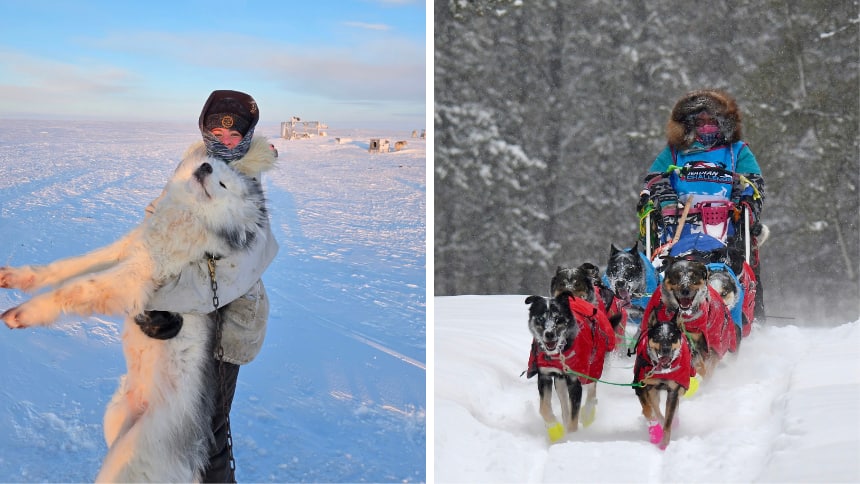
Monroe and Sophia are the only young mushers in their communities
⭐️HERE’S WHAT YOU NEED TO KNOW⭐️
Dog mushing is a traditional sport in many Indigenous cultures, but few young people are participating today.
We spoke to two teens, Monroe Mondor and Sophia Johnston, who are helping to keep the tradition alive.
Both of them are the only young mushers in their communities.
They say the sport takes as much time and effort as a full-time job, but it’s worth it.
Keep reading to understand what it takes to mush. ⬇️⬇️⬇️
There aren’t a ton of sports where animals are involved, and most of them ask a lot of the animals.
That’s especially true in the case of mushing — or dog sledding — where races can last 40 hours or more.
So some athletes in the sport, like Monroe Mondor, follow a golden rule.
“The dogs come first,” Monroe, 17, told CBC Kids News. “They get fed before you do, they get looked after before you do, they get everything done before you focus on yourself.”
It’s a lot of hard work, so it might not be surprising that fewer young people are taking part in mushing these days.
We spoke to two teen mushers who are bucking this trend. They told us they want to keep the tradition alive and to inspire other young people to join them.
“It could teach you a lot about animals and your connection to the tradition,” said Sophia Johnston, 15.
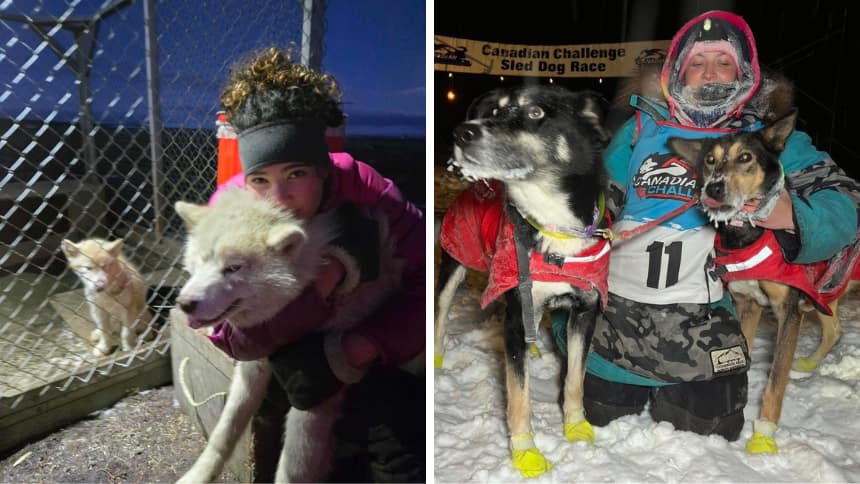
Left: Sophia Johnston, 15, is Inuit from Ranken Inlet, Nunavut. Right: Monroe Mondor, 17, is Métis from Wawota, Saskatchewan. (Images submitted by Reanna Johnston and Monroe Mondor)
How they took up the reins
Dog mushing has deep roots in northern and Indigenous communities, where sled dogs were once essential for transportation, hunting and survival for generations.
Today, the sport carries cultural significance as elders hand down the practices to other community members.
Monroe is Métis from Wawota, Saskatchewan. She discovered the sport when she was 12 and an experienced musher, Garrick Schmidt, came to do dog sled tours in her community.
Later that year, she joined Schmidt’s team for the Canadian Challenge Sled Dog Race in La Ronge, Saskatchewan, as a dog handler.
“That was the first time I rolled in the sled,” she said, “I was like, ‘Oh, this is pretty fun. I’m going to race next year.’”
This year at the Canadian Challenge event, she came in fifth place with her own team in the 200-mile (322-kilometre) race — which took 42 hours to complete.
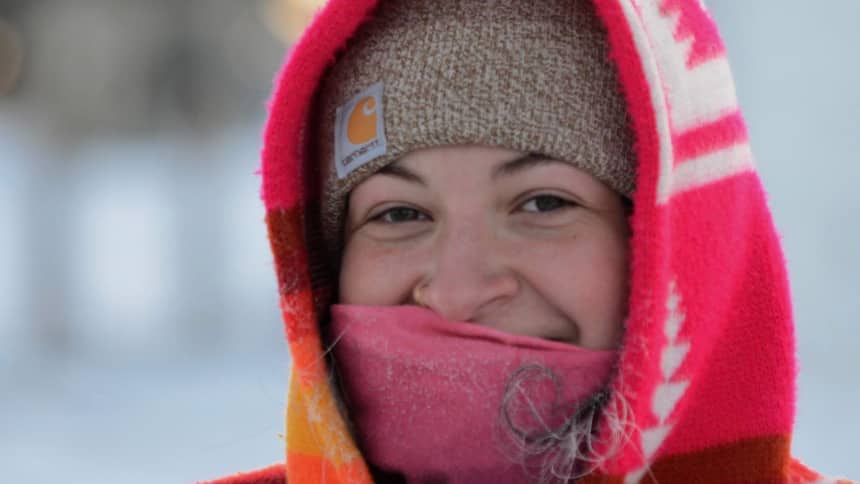
Monroe bundled up while mushing. (Image submitted by Monroe Mondor)
Monroe is driven by her deep connection with the animals.
“I’m out there for the dogs,” she said. “I love being on the trail with them.”
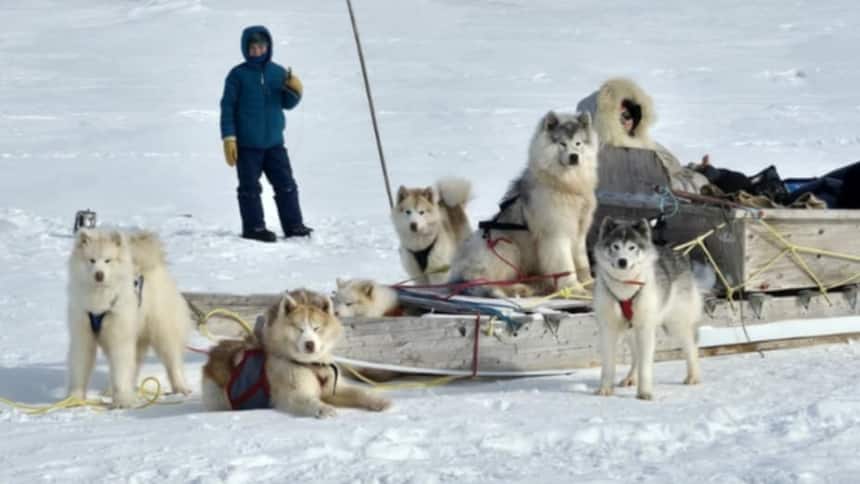
Sophia and her brother, Myles Johnston, with five of their Siberian husky-mix dogs. (Image submitted by Reanna Johnston)
Sophia Johnston is Inuit from Rankin Inlet, Nunavut. She also started mushing when she was 12.
Sophia was introduced to the sport by her namesakes, the people she was named after — they are elders and renowned dog mushers in Rankin Inlet.
Elder John McLeod became her formal mentor, teaching her how to train the dogs and make the harnesses.
Why are there so few young mushers?
Monroe and Sophia are the only young people in their communities who mush.
Dog mushing has not been included in the Arctic Winter Games since 2018 because fewer people are participating, a representative from the Games told CBC Kids News in an email.
The sport demands significant time and resources that challenge younger people today.
McLeod, Sophia’s mentor, told CBC Radio’s Unreserved that while dog mushing is possible alongside modern life, it’s more time-consuming for younger people who must balance work and other responsibilities.
Beyond racing, mushers need specialized knowledge, from making harnesses to crafting dog lines from sealskin and antlers — skills that take years to learn by doing.
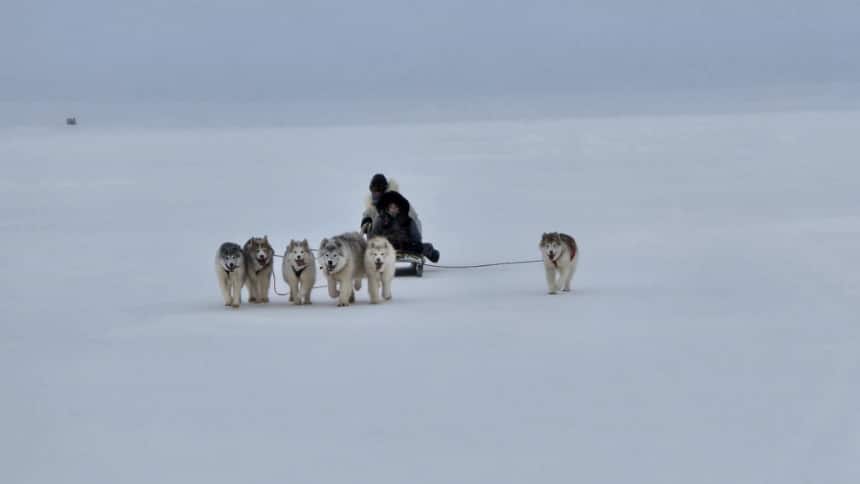
The dogs pulling Sophia and Myles. (Image submitted by Reanna Johnston)
Harry Towtongie, a Rankin Inlet elder and musher, personally observed the sport’s decline as older mushers passed away.
“There used to be 30 teams there. There’s probably two or three of us left that were in that area,” he told Unreserved’s Juanita Taylor.
“They’re all gone. They just got old and passed on.”
Not for the faint of heart
Sophia and Monroe acknowledged that dog mushing requires dedication and sacrifice, which they said is likely why fewer young people pursue it.
Monroe described the reality bluntly: “It’s almost like a job. It’s 24/7. You’re constantly doing things.”
During Monroe’s race, she was strapped in materials to care for the dogs. This includes making their bedding out of hay, cleaning up after them and melting the snow for their water.
Even during the four-hour break in her 42-hour race, she said, she spent nearly three hours tending to the dogs and only got an hour of sleep for herself.
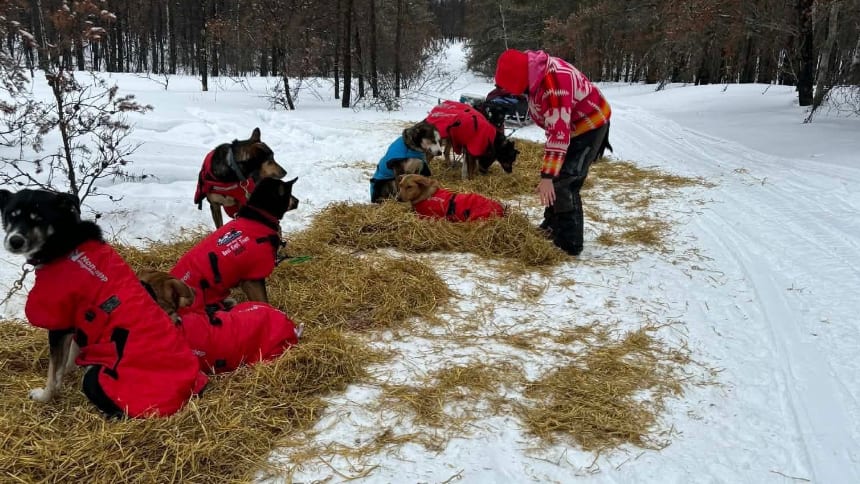
Monroe caring for a team of dogs that are part of her kennel. (Image submitted by Monroe Mondor)
Sophia agreed that the sport consumes your life, especially as a teenager.
“It’s a lot of work. It takes away your time and it’s not ideal to have a huge social life when you have a lot of dogs to take care of.”
Every day, Sophia checks the fish nets her family has set, and the dogs eat a lot of fish, because the nutrients make their fur shiny and healthy.
She also hunts to feed the dogs, cutting up large animals such as caribou, seal and muskox for their summer meals.
Beyond feeding, she builds cages and fences, fixes harnesses and currently cares for three newborn puppies.
When she first started, it took hours just to get energetic puppies hooked into their harnesses.
She admits, “sometimes you don’t want to go and be with the dogs, but I’ve learned to love it.”
What mushing means to them
Monroe and Sophia say that all the hard work and sacrifices are worth it, because it helps them keep an important part of their culture alive.
Sophia said she’s motivated by preserving her Inuit community’s heritage.
“I think it’s important to have some sort of connection to the tradition, even if it’s not the traditional way to do it.”
She also hopes that her dedication inspires others.
“Because I’m so young, it gives an example for younger or older people to start up with it,” she told CBC Kids News.
For Monroe, as a young Métis woman who mostly competes against white men, she sees herself as a role model for others.
“I’ve been racing against older people, older grown men, because it’s a male-dominant sport,” she said.
“For me to be a musher, it inspires younger people — especially the younger girls — that, ‘Hey, you can do this, too.’”
Have more questions? Want to tell us how we’re doing? Use the “send us feedback” link below. ⬇️⬇️⬇️
With files from CBC Unreserved