
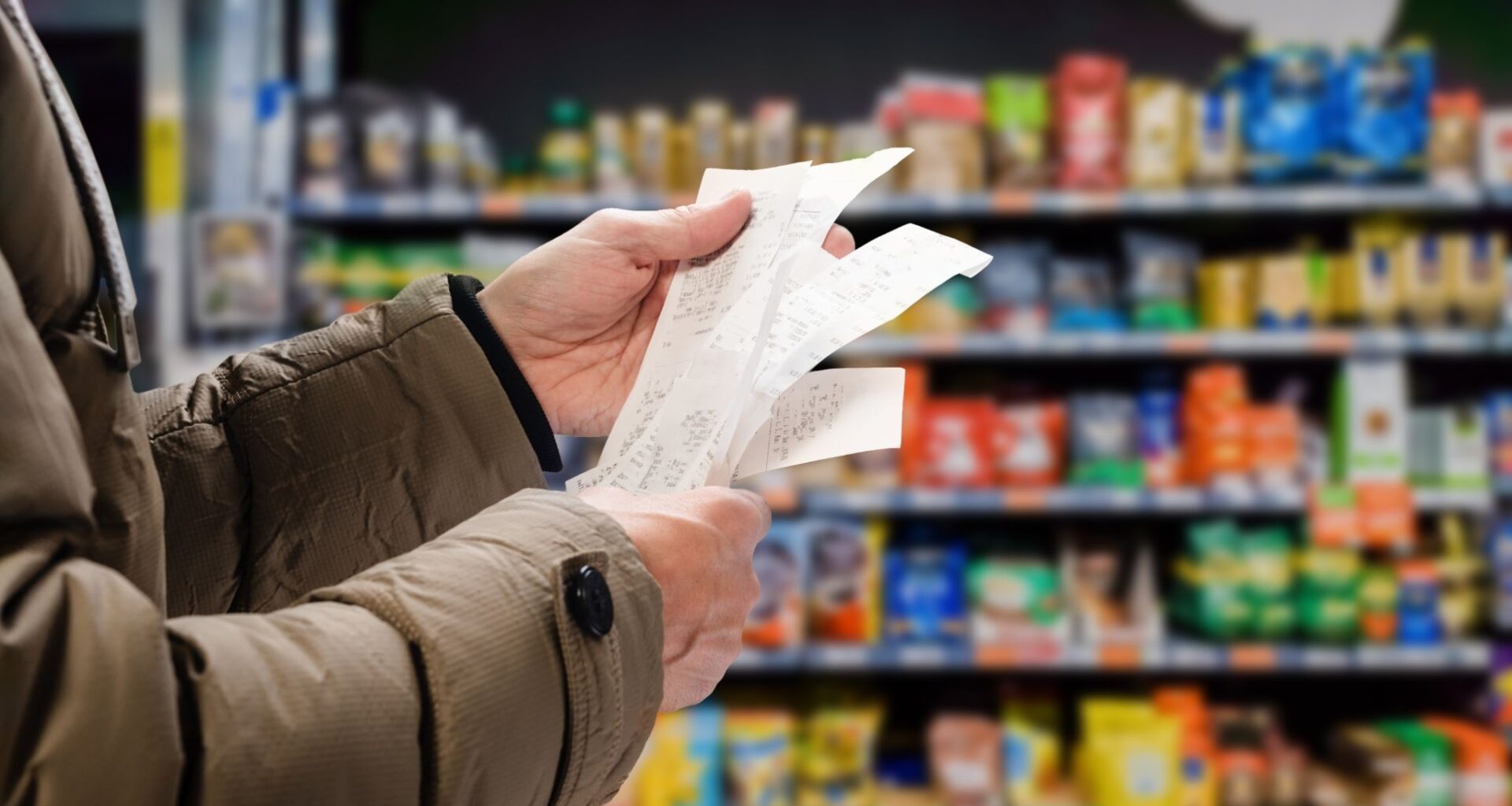
Vancouverites have already been feeling the pinch of high grocery prices and finding ways to cut corners, and the war in Iran is going to push those costs up even higher.
According to a report from Food Banks BC published late last year, 1.4 million British Columbians were experiencing food insecurity, and over 10 per cent of food banks were having to turn people away.
In 2025, inflation remained relatively steady, but food was still 27 per cent more expensive than it was five years prior.
With the war in Iran effectively closing the Strait of Hormuz, where 20 per cent of the world’s oil supply passes, oil prices are now surging.
While we are currently feeling this at the gas pumps, Matt McClain, a petroleum analyst with GasBuddy, told Daily Hive that it will soon — if it hasn’t already — spill over to grocery prices and other commodities.
He said this is because the cost of diesel, which is what’s used for shipping, is rising.
“When you increase the cost of shipping, that cost will be reflected in what we’ll be paying on the grocery store shelves, among all other commodities,” he said.
Commodities that require more frequent shipments, like never-frozen meats, dairy, or produce, “are a little bit more sensitive to shipping increases” and go up in price quicker than shelf-stable items, like canned goods.
“That’s not to say that those also won’t be impacted. It just takes, usually, a little bit longer,” McClain said.
Rising cost of fertilizer is another concern
The Middle East also ships a large portion of the world’s fertilizer through the Strait of Hormuz, and thus will be affected by its closure, said Iglika Ivanova, senior economist and co-executive director of B.C. Society for Policy Solutions.
“It’s interrupting the fertilizer trade. And right now it’s spring season, when planting happens and when fertilizer is needed,” she said. “If this were happening in the winter or in the fall, it wouldn’t be as big an impact on food production.”
She said this is similar to what happened after Russia invaded Ukraine in 2022, when oil and fertilizer prices shot up.
“We saw very high food prices. And that played out on a global scale, but also in Canada, where we had very high food inflation. And we also saw some companies have record profits.”
Ivanova said we will see a two-to-three-month delay before prices notably go up, because the current stocks in grocery stores were purchased in advance, or contracts were signed in advance.
Who wins and who loses?
“Of course, that impacts the lowest-income people the most because they spend a much higher proportion of their income on food and on other basics,” said Ivanova.
Ivanova added that the federal government’s Groceries and Essentials Benefit will help people absorb some of these costs.
Prime Minister Mark Carney announced the rebate in January of this year, weeks before the war in Iran. It provides up to an additional $402 to a single person without children, $527 to a couple, and $805 to a couple with two children.
Eligible Canadians should receive a deposit for the new rebate on April 2, in line with the original GST credit payment dates.
“But [it] will not be enough to cushion the blow from the increasing food prices and gasoline prices,” Ivanova said.
She added that B.C. doesn’t have any policies this year to help people with the cost of living, as it has in previous years through increases to the family benefit or ICBC rebate.
B.C.’s credit rating was recently downgraded due to the province’s soaring deficit, which means the province has less fiscal room to take care of its residents when crises happen, according to Jairo Yunis, the director of policy for the Business Council of B.C.
While Ivanova acknowledged that the war is a geopolitical event beyond most people’s control, she said some economists have proposed an ‘excess profit tax,’ meaning that if a company earns beyond their expected return, they’re taxed at a higher rate.
“I think these excess profit taxes are a very good idea to deal with those shocks, which seem to be becoming more and more frequent,” she said.
“General consumers, they’re going to be losing out. But it’s not the case that everyone is losing out, I think we need to remember that [oil] companies are going to be profiting quite a bit.”
“It’s just the fact that they have it and there’s a shortage, so they get to have a higher price.”
How are you planning to respond to rising grocery costs? Comment below or email vancouver@dailyhive.com
With files from Isabelle Docto