
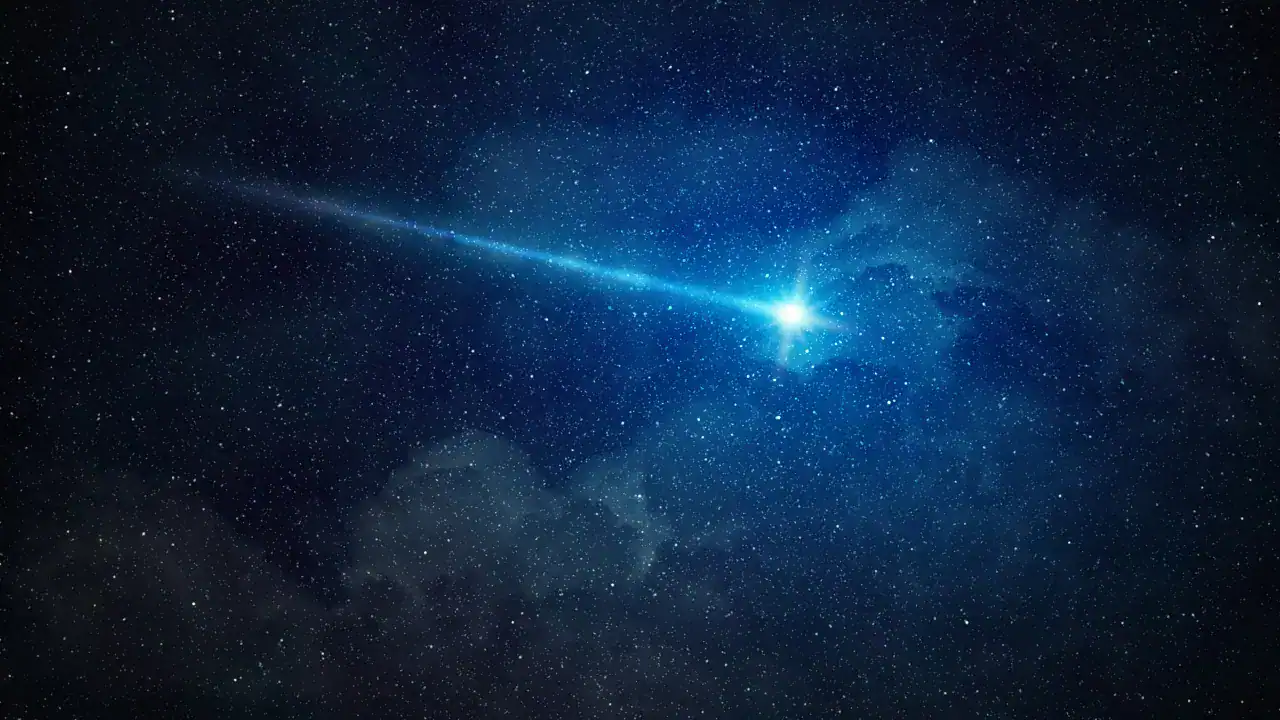
Mark your calendars, stargazers! April will bring the return of two well-known meteor showers to southern Ontario, offering chances to catch bright streaks across the night sky.
Up first are the Lyrids, which originate from comet C/1861 G1 Thatcher and are known for their occasional bright fireballs. In 2026, the meteor shower will be active from April 15 to April 29, with the best viewing window taking place after midnight and before dawn on April 22.
Under clear and dark skies, observers may spot between 10 to 15 meteors per hour, according to EarthSky. The peak is expected to be brief, but this year’s waxing crescent moon, which sets after midnight, should allow for favourable viewing conditions during the early morning hours.
As the Lyrids begin to taper off, the Eta Aquariids will take over the night sky. According to Space.com, this meteor shower originates from Halley’s Comet and is known for its fast-moving meteors that leave glowing trails.
The Eta Aquariids will be active from April 19 to May 28, with peak activity expected overnight between May 5 and May 6. The best time to catch them will be before dawn on May 6, when the radiant point is highest in the sky.
However, this year’s peak will coincide with a bright waning gibbous moon, which may interfere with visibility and reduce the number of meteors seen.


In ideal conditions, up to 50 meteors per hour may be visible, according to the American Meteor Society, although those in southern Ontario can typically expect to see between 10 to 30 meteors per hour.
Lyrid meteors are known for producing occasional bright streaks, but they rarely leave long-lasting trails.
On the other hand, the Eta Aquariids are known for their speed and persistent trails, similar to October’s Orionids—both originating from Halley’s Comet.
Halley’s Comet, which takes about 76 years to orbit the sun, last appeared in 1986 and won’t return until 2061. Until then, the debris it leaves behind continues to create these annual meteor showers.
If you are a first-time stargazer or an astronomy enthusiast, here are some items to be prepared with as recommended by Space.com:
Red flashlight — Fainter meteors require eyes to adjust to the dark, especially when using a night-sky map. A red light helps preserve night vision.
Warm clothing — Temperatures can drop overnight, so layering up is recommended for extended viewing.
Hot drink — Tea or coffee can help keep you warm and alert while watching the sky.
Deck chair — A reclining chair can help reduce neck strain during long viewing periods.
INsauga’s Editorial Standards and Policies
Last 30 Days: 34,501 Votes
All Time: 1,264,844 Votes
1686 VOTES
Will Pierre Poilievre’s Joe Rogan appearance help or hurt him?
WIN A $100 GIFT CARD
Subscribe to INsauga’s daily email newsletter for a chance to win a $100 Amazon gift card.