

AI writing is getting smarter, but it’s becoming more predictable, too. Recently, the tech world has been buzzing about OpenAI’s internal “watermarking” technology — a way to embed invisible patterns into text to prove it was generated by an algorithm. Similar to something like Gemini’s SynthID that invisibly marks AI images, this feature could do the same for AI written text.
While the tech hasn’t been fully unleashed yet, a different kind of watermark already exists: The “AI Vibe.” You know it when you read it because it’s quite obvious. I see it everyday on LinkedIn and Substack, especially. You’ll see overused words and phrases like “tapestry” or “delve” way too often.
But here’s the thing, it’s fine to lean on AI to help you write, but there’s a right way to do it without losing your voice (and your dignity). Here are five ways to keep your voice front and center.
1. The ‘brain dump’ method
(Image credit: Future)
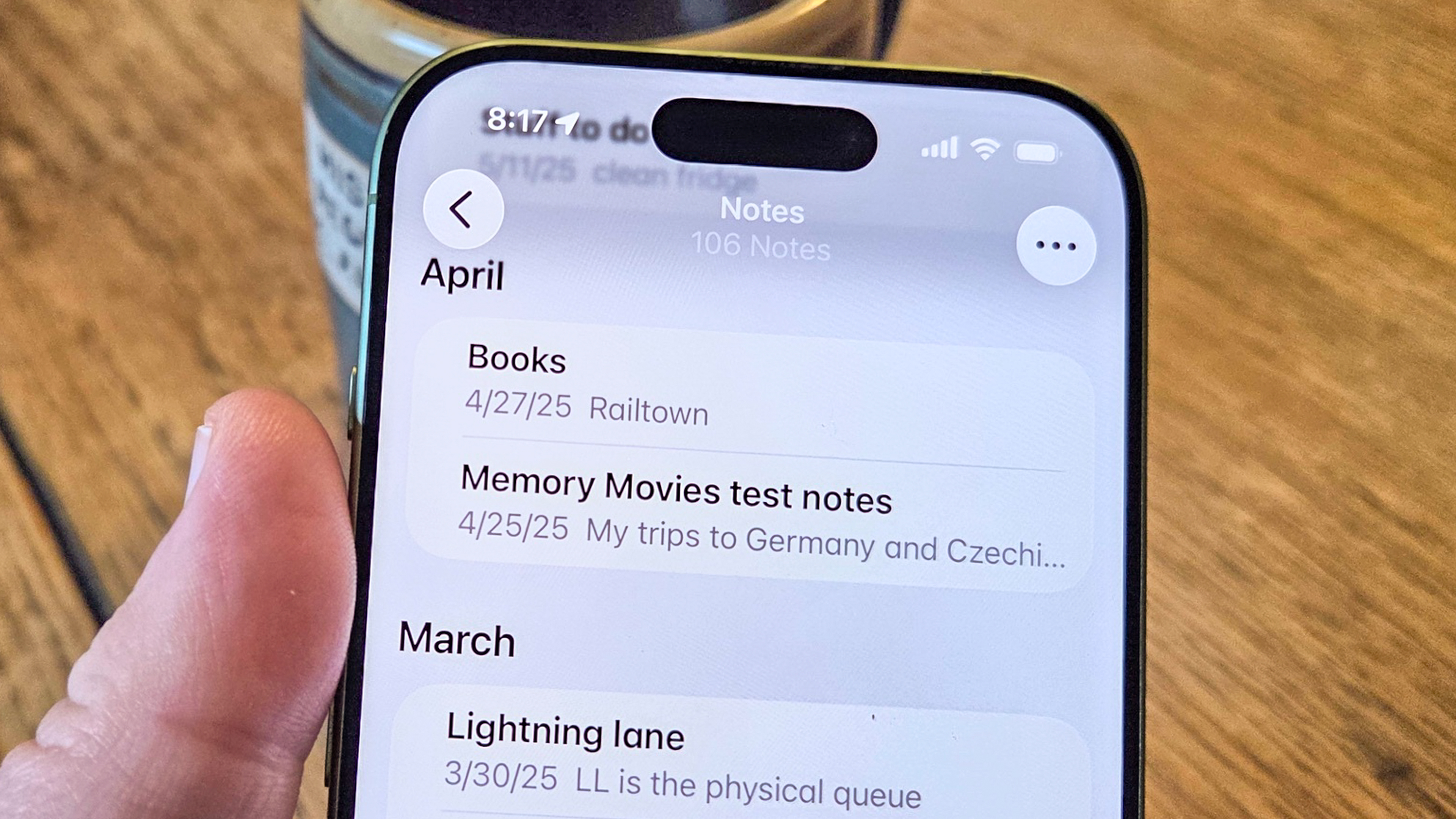
The biggest mistake is starting with a blank cursor and asking ChatGPT to do all the heavy lifting. You get out what you put in, so if you start with nothing and expect AI to give you anything useable, you’re out of luck. When you start from zero, thte AI deftauls to its own personality, which is also zero.
The fix: Give it your mess. Write a first draft. No matter how many spelling and grammatical errors it may have, it’s still a better first draft than AI could ever produce. You could even dictate your ideas and ramble or jot down unfiltered bullet points. Just do not expect AI to start from scratch.
Article continues below
You may like
Try a prompt like: “Here are my raw notes. Organize them into a working outline, but keep my specific phrasing and logic.
Why it works: You provide the DNA; the AI just provides the skeleton.
2. Shift from ‘generate’ to ‘refine’

(Image credit: Apple)
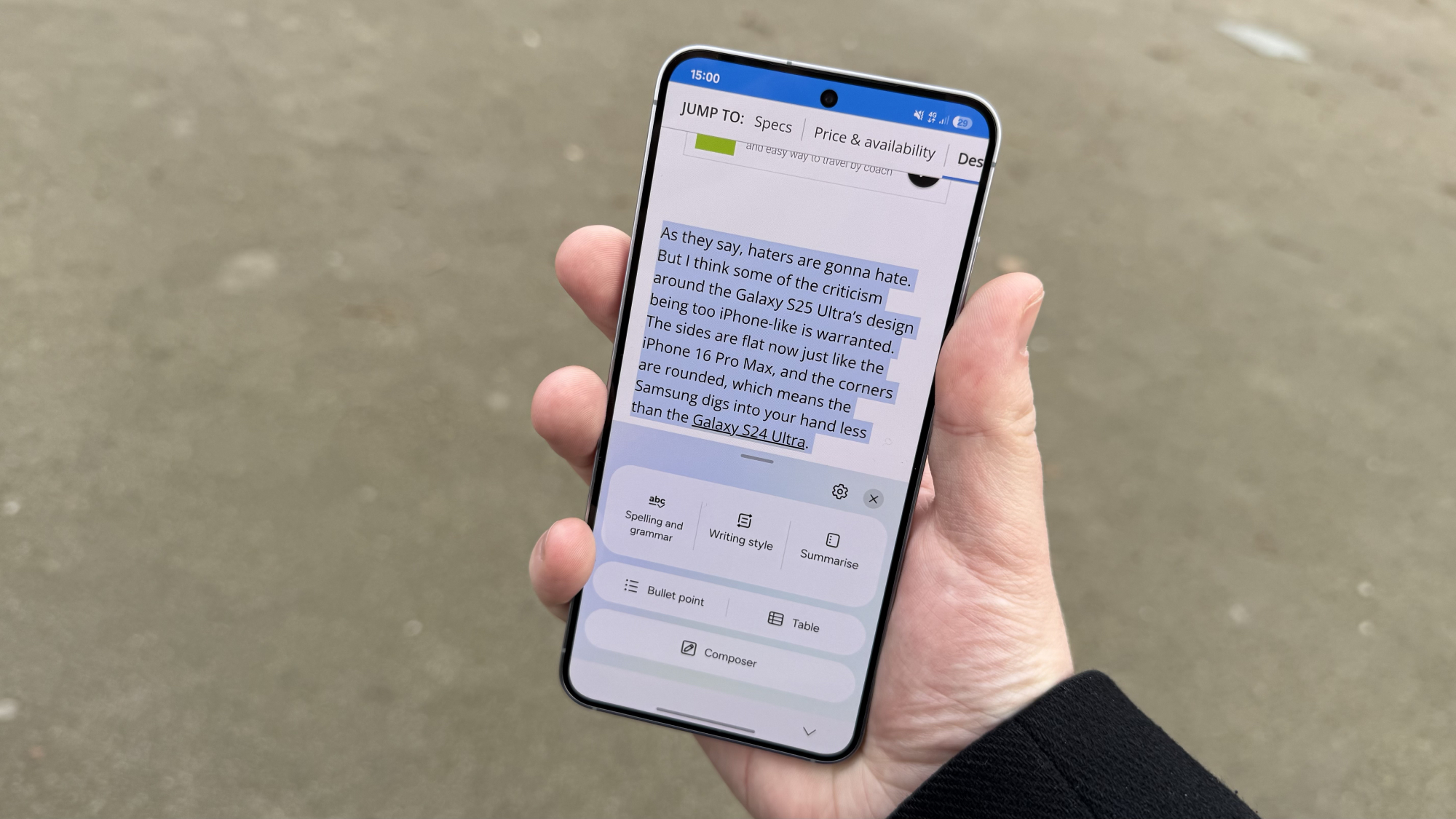
Most people use AI as a ghostwriter, when they should be using it as a high-end editor. AI should be used as an aid. If you’ve ever seen a robot try to fold laundry or even vacuum the floor, you know it’s not perfect and it’s going to miss something. The same goes for leaning too heavily on AI to assit you with writing. It simply cannot do everything.
The fix: Rather than thinking of AI as doing the full task, think of it as refining what you wrote. Once you’ve done the first step and it’s produced an outline, go back in and fill in the blanks.
Try the prompt: “I’ve written these three paragraphs about Tokyo. Can you tighten the transitions and make the second point more punchy while keeping my skeptical tone?”
Why it works: By asking for a rewrite rather than a full creation, you ensure the original perspective —the human part that actually matters — so it remains yours.
3. Use AI to fine-tune
(Image credit: Tom’s Guide)
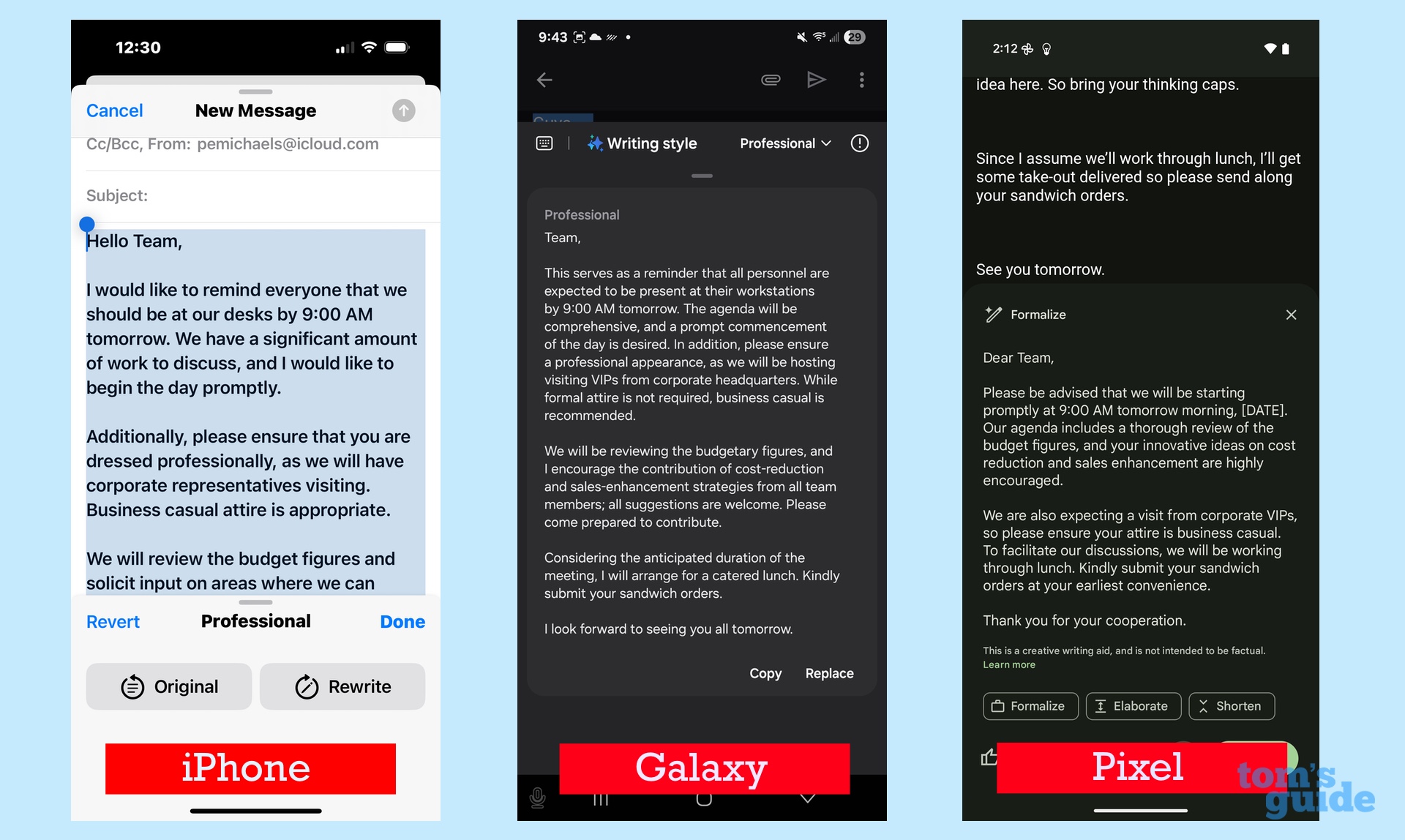
AI is a chameleon. If you don’t add the color, it will essentially wear a gray suit. To avoid the generic “AI voice,” you need to be aggressively specific and start with your own voice.
What to read next
The fix: If you start with a draft, the AI will have an idea of what your writing sounds like. A few messy sentences, a quick brain dump, a half-formed idea — it all gives AI something to mirror instead of replace.
Try the prompt: “Based on what I’ve written, what do I need to increase readability for my audience?
Why it works: AI is much better at refining than creating from nothing. When you give it your words first, it keeps your tone, your rhythm and your perspective — and just makes it clearer and easier to read. That’s the difference between writing that feels generic and writing that still sounds like you, just sharper.
4. Ask AI for suggestions
(Image credit: Future)
When I’m writing, sometimes I need a reference, a better word or to fact-check. Using AI as a dictionary or thesarus is one of the most under used features that I’ve found.
The fix: Real human writing is interesting and has rhythm shifts. By adding unique words and concepts that you learned from AI, you can make your writing that much more interesting.
Try the prompt: “What could make this sentence stronger or tighter?” “What’s another word for X” “Help me describe X better?”
Why it works: Readers want to be enaged. They want a mix of complex and short sentences. Don’t be afraid to throw in a parenthetical thought (like this one) to break the flow.
5. Use AI to read your writing back to you
(Image credit: Future)
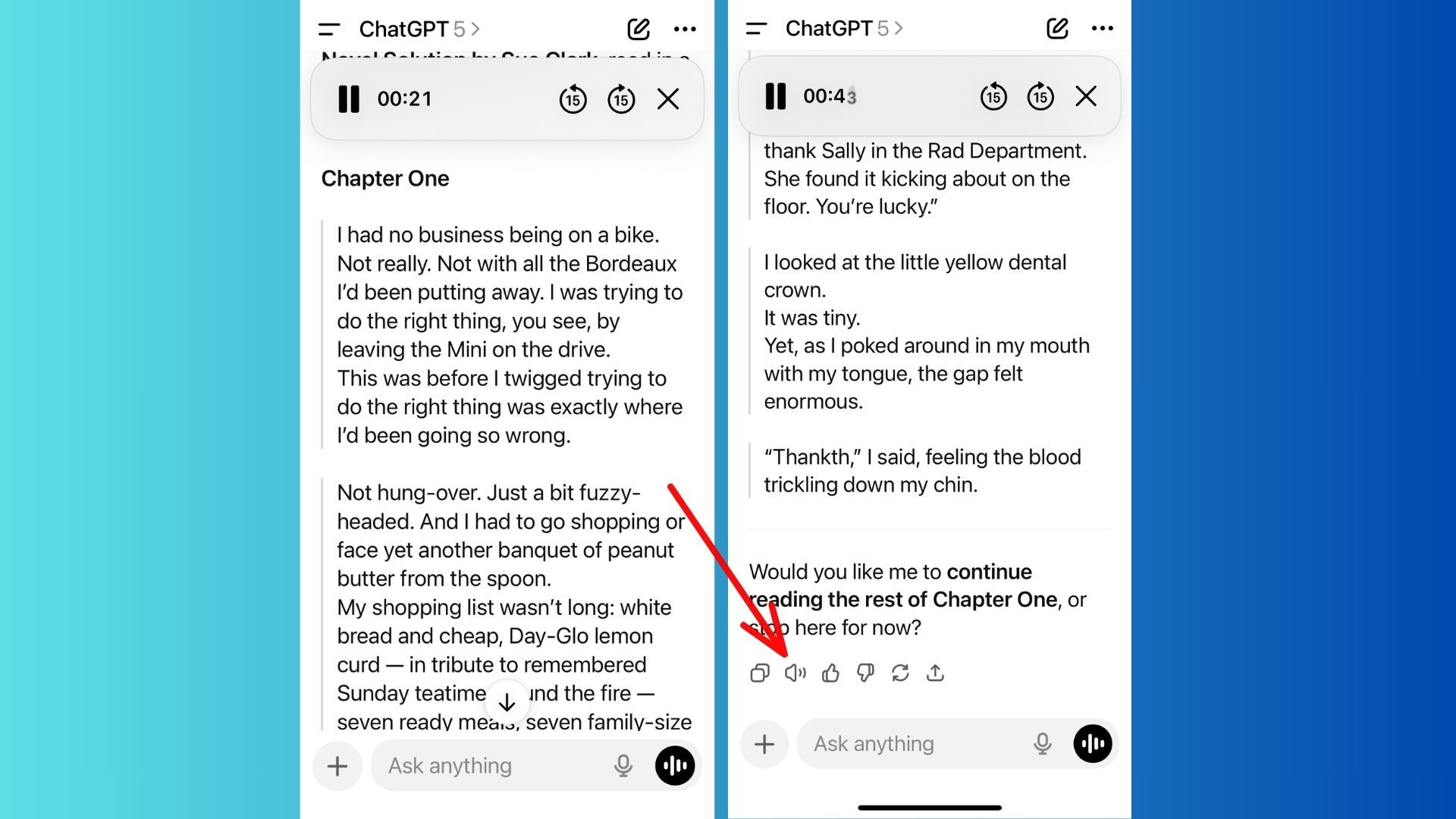
Sometimes hearing your own words read aloud can make all the difference and help you spot errors that you may not have noticed otherwise. Try leaning on AI tools like ChatGPT’s Read Aloud or NotebookLM’s podcast feature to gain a new perspective of your writing.
Bottom line
Although OpenAI hasn’t officially rolled out watermarking for ChatGPT, it’s something the company has openly explored — and could revisit as AI-generated content becomes more widespread.
But that’s not really the point. Even without watermarking, AI writing already has a “feel” to it. And that’s what people notice first.
Using AI can absolutely make you a better, faster writer — but the real value isn’t in letting it do the work for you. It’s in using it to refine, enhance and sharpen what you’ve already written, not replace it entirely.

Follow Tom’s Guide on Google News and add us as a preferred source to get our up-to-date news, analysis, and reviews in your feeds.
More from Tom’s Guide